
With rising electricity costs and frequent power cuts, many homeowners and businesses are now considering solar energy as a long-term solution. One of the most searched topics today is off grid solar system price, especially among people living in areas with unreliable electricity supply.
An off grid solar system operates independently of the main power grid and provides complete energy freedom. But how much does it really cost? What factors affect pricing? And is it worth the investment? This detailed guide answers all these questions in simple terms.
What Is an Off Grid Solar System?
An off grid solar system is a standalone solar power system that generates electricity using solar panels and stores it in batteries for later use. Unlike on-grid systems, it does not depend on government electricity supply at all.
This system is ideal for:
-
Rural and remote areas
-
Farmhouses and villages
-
Homes with frequent power outages
-
Locations where grid connection is unavailable or expensive
Understanding the off grid solar system price near gurugram starts with understanding its components and capacity.
Off Grid Solar System Price in India (2026 Overview)
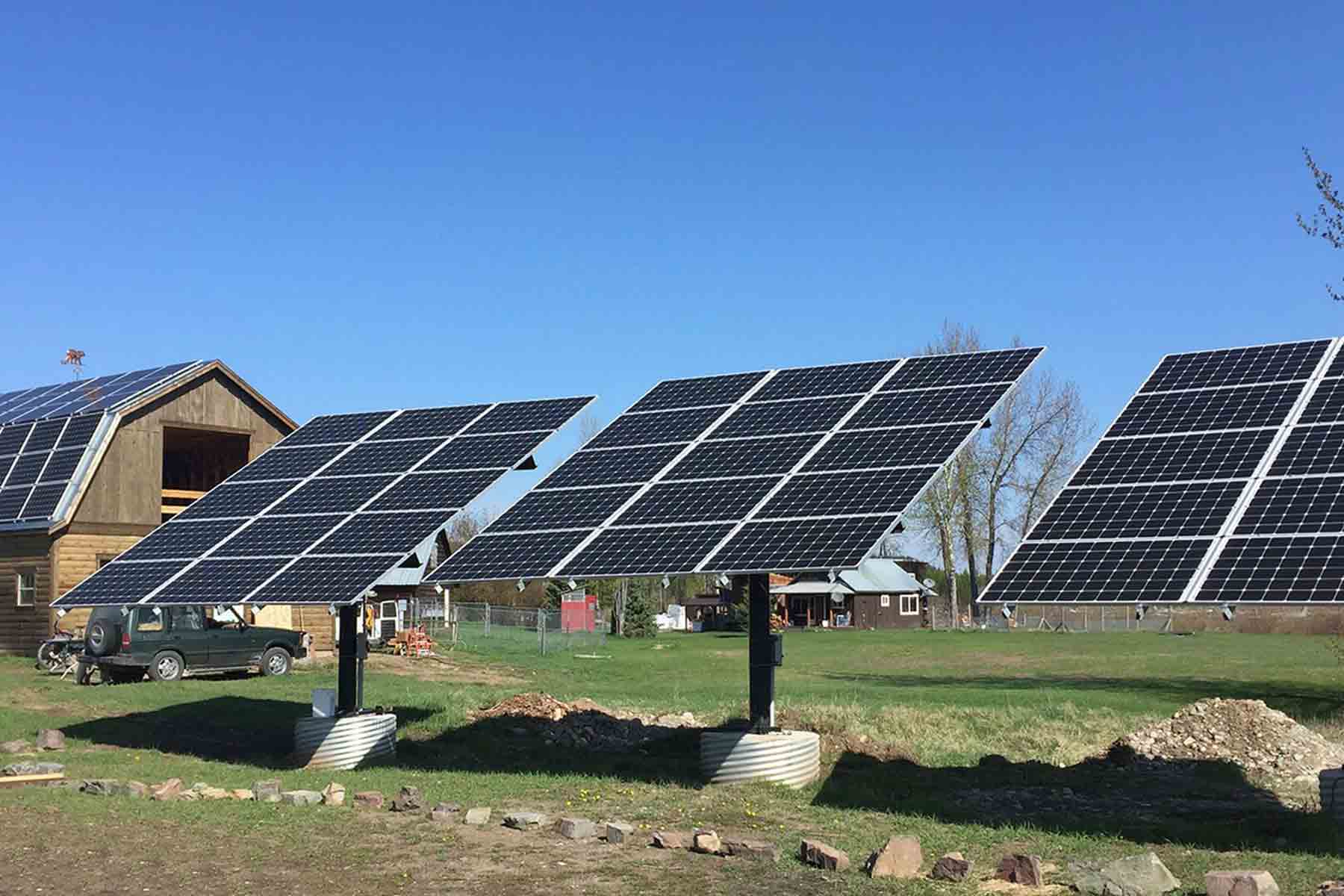
The price of an off grid solar system depends mainly on system size, battery capacity, and quality of components.
Average Off Grid Solar System Price Range
| System Size | Approx Price Range |
|---|---|
| 1 kW | ₹90,000 – ₹1,50,000 |
| 2 kW | ₹1,80,000 – ₹2,80,000 |
| 3 kW | ₹2,70,000 – ₹4,20,000 |
| 5 kW | ₹4,50,000 – ₹7,00,000 |
| 10 kW | ₹9,00,000 – ₹14,00,000 |
These prices include solar panels, inverter, batteries, wiring, and installation.
Components That Decide Off Grid Solar System Cost
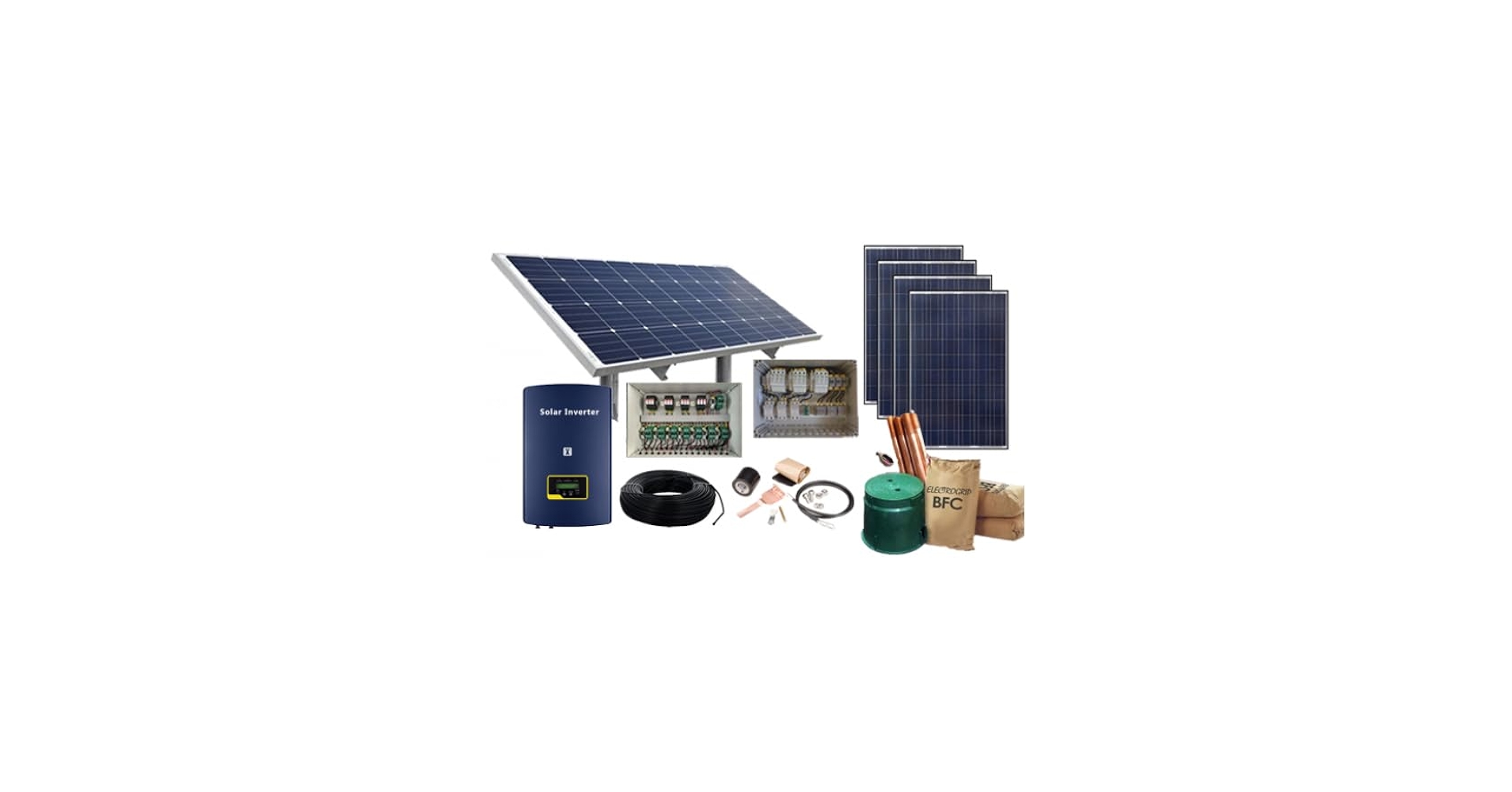
To understand the real off grid solar system price near haryana, let’s break down each component.
1. Solar Panels
Solar panels convert sunlight into electricity. Panel efficiency and brand directly impact pricing.
-
Mono PERC panels are more expensive but efficient
-
Polycrystalline panels are slightly cheaper
Panel cost usually makes up 30–40% of the total 3kw off grid solar system price in india.
2. Solar Batteries
Batteries are the heart of an off grid solar power system. They store electricity for night use and cloudy days.
Common battery types:
-
Lead-acid batteries (lower cost, higher maintenance)
-
Lithium-ion batteries (higher cost, longer life)
Batteries alone can contribute 35–45% of the off grid solar system price nearby.
3. Solar Inverter
The inverter converts DC power into usable AC power.
Types used:
-
Off grid inverter
-
Hybrid inverter (optional upgrade)
Higher capacity and better brands increase reliability but also increase cost.
4. Structure, Wiring, and Accessories
This includes mounting structures, cables, junction boxes, and safety devices. While smaller in cost, these are essential for system safety and efficiency.
5. Installation and Labor Cost
Professional installation ensures correct wiring, load balancing, and long-term performance. Installation cost usually depends on location and system size.
Factors Affecting Off Grid Solar System Price
Several factors influence the final standalone solar system price:
-
Daily electricity consumption
-
Battery backup duration (8 hours, 12 hours, 24 hours)
-
Panel efficiency and brand
-
Battery type and warranty
-
Installation location and roof structure
-
After-sales service and AMC support
A higher upfront cost often means better reliability and lower maintenance over time.
Is Off Grid Solar System Worth the Price?
For many users, the answer is yes.
Key Benefits
-
Complete independence from electricity grid
-
No monthly electricity bills
-
Reliable power during outages
-
Ideal for remote and rural areas
-
Long-term cost savings
While the off grid solar system price in India may feel high initially, it pays for itself over 5 to 7 years through electricity savings.
Off Grid vs On Grid Solar System Price Comparison
| Feature | Off Grid | On Grid |
|---|---|---|
| Grid Dependency | No | Yes |
| Battery Required | Yes | No |
| Initial Cost | Higher | Lower |
| Power Backup | Yes | No |
| Ideal For | Remote areas | Cities |
If power cuts are frequent, the off grid solar system cost becomes a justified investment.
Government Subsidy on Off Grid Solar Systems
In some states, limited subsidies are available for off grid solar systems, especially for rural homes and agricultural use. However, subsidies are more common for on-grid systems.
Always check local MNRE or state renewable energy guidelines before purchase.
How to Choose the Right Off Grid Solar System
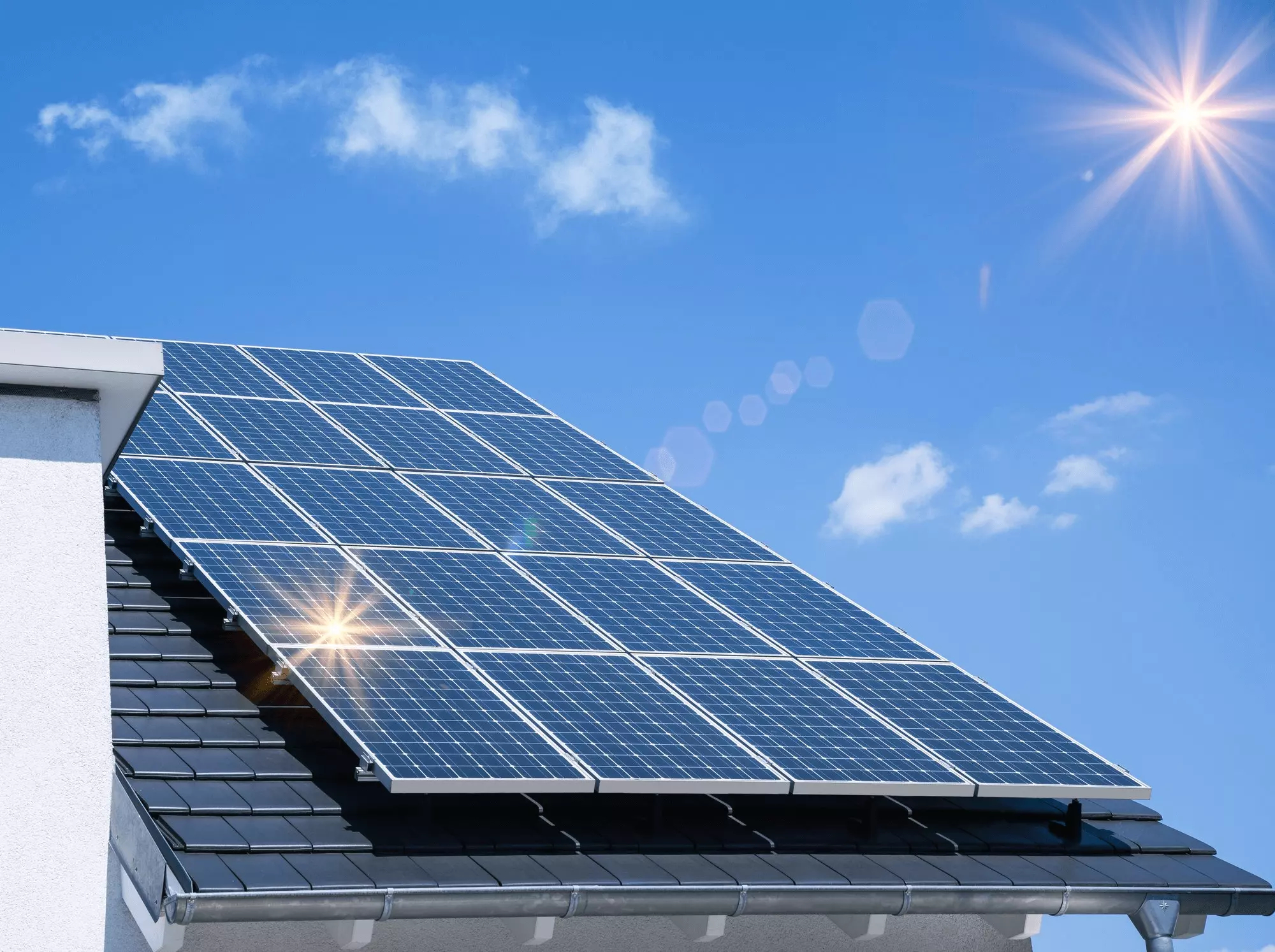
Before finalizing the off grid solar system for home, consider the following:
-
Calculate your daily electricity units (kWh)
-
Decide required battery backup hours
-
Choose reliable brands with warranty
-
Ensure professional load assessment
-
Ask for performance guarantee
Avoid choosing the cheapest option. A low-quality system can lead to frequent failures and higher long-term costs.
Frequently Asked Questions (FAQs)
1. What is the average off grid solar system price for a home?
For a typical Indian home, the off grid solar system price ranges between ₹1.8 lakh to ₹4.5 lakh depending on power needs.
2. How long do solar batteries last in off grid systems?
Lead-acid batteries last 3–5 years, while lithium batteries can last 8–10 years with proper use.
3. Can I run AC on an off grid solar system?
Yes, but it requires a higher capacity system and larger battery bank, which increases the off grid solar system cost.
4. Is maintenance required for off grid solar systems?
Minimal maintenance is required, mainly panel cleaning and battery health checks.
5. What happens during cloudy days or rain?
Batteries store power for such situations. However, extended cloudy days may reduce backup duration.
6. Is off grid solar better than inverter + grid power?
In areas with frequent power cuts, an off grid solar power system is more reliable and cost-effective long term.
7. How much space is needed for an off grid solar system?
A 1 kW system needs approximately 80–100 sq ft of shadow-free roof area.
8. Can off grid solar be expanded later?
Yes, most systems allow future expansion, but inverter and battery compatibility must be planned in advance.
Conclusion
Understanding the off grid solar system price is crucial before making a purchase decision. While the upfront investment is higher than on-grid systems, the benefits of uninterrupted power, energy independence, and long-term savings make it a smart choice for many households and businesses.
If you live in an area with unreliable electricity or want complete control over your power usage, an off grid solar system is not just an expense, but a long-term asset. Choose quality components, plan capacity wisely, and work with experienced installers to get the best value for your investment.