
When choosing a solar energy system, the type of panel you install can make a noticeable difference in performance, space requirements, and long-term value. Monocrystalline Solar Panels are among the most widely preferred options because of their high efficiency, sleek appearance, and ability to generate more electricity from limited rooftop space. For homes, commercial buildings, and industrial facilities, they offer a practical way to make better use of solar energy.
With solar power becoming increasingly important in India, understanding how different panels work can help property owners make a more informed decision. Dexter Energy provides solar energy solutions designed around different electricity requirements, installation conditions, and project goals.
What Are Monocrystalline Solar Panels?
Monocrystalline solar panels are made using solar cells manufactured from a single crystal structure of silicon. Because the cells are produced from high-purity silicon, they can convert a relatively high amount of sunlight into usable electricity.
One of their most noticeable features is their uniform dark appearance. The cells are generally cut into a distinctive shape that allows manufacturers to fit more cells into a panel. This contributes to their high power output while keeping the panel size relatively compact.
For locations where rooftop space is limited, this can be particularly useful. Instead of installing a large number of lower-output panels, a property owner may be able to achieve the required capacity with fewer high-efficiency panels.
How Do Monocrystalline Solar Panels Work?
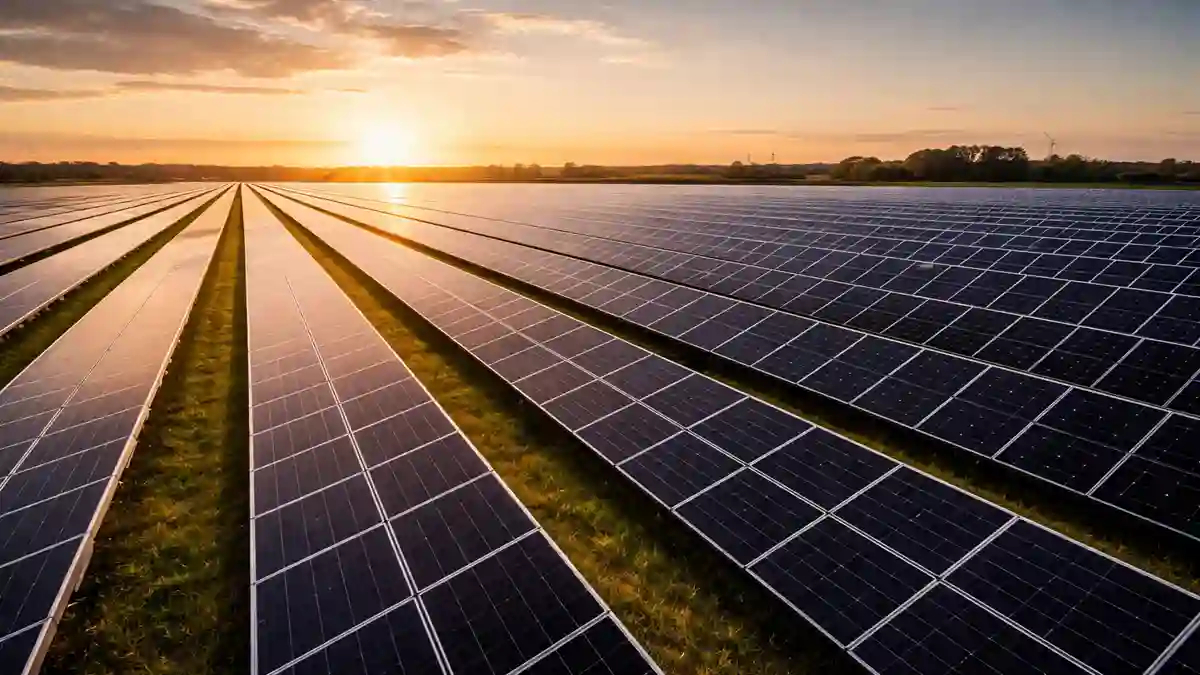
The basic working principle is similar to other photovoltaic panels. When sunlight reaches the solar cells, the photovoltaic material absorbs solar energy and generates direct current (DC) electricity.
An inverter then converts this DC electricity into alternating current (AC), which can be used by household appliances, commercial equipment, or other electrical loads.
The electricity produced can be consumed on-site, stored in a suitable battery system where applicable, or exported to the grid depending on the system design and applicable regulations.
Key Benefits of Monocrystalline Solar Panels
1. High Solar Panel Efficiency
One of the biggest advantages of monocrystalline technology is its high efficiency. These panels can produce substantial electricity from a comparatively smaller surface area.
This makes them a strong option for rooftops where available space is restricted. Higher efficiency can also be useful for commercial properties that want to maximize generation without covering every available section of the roof.
2. Better Use of Limited Space
Not every building has a large, unobstructed rooftop. Water tanks, ventilation systems, structural elements, and surrounding buildings can reduce the usable installation area.
High-efficiency solar panels can help overcome some of these limitations by producing more power per unit of space.
3. Long-Term Solar Investment
A solar installation is generally viewed as a long-term investment rather than a short-term purchase. Quality panels are designed to provide electricity for many years when properly installed and maintained.
For homeowners and businesses, this long operating life can make solar power an attractive option for reducing dependence on conventional grid electricity.
4. Sleek and Modern Appearance
The dark, uniform appearance of monocrystalline panels is another reason they are popular for residential installations. Their clean appearance can blend well with modern rooftops and building designs.
For homeowners who are concerned about both performance and aesthetics, this can be an important consideration.
Monocrystalline vs Polycrystalline Solar Panels
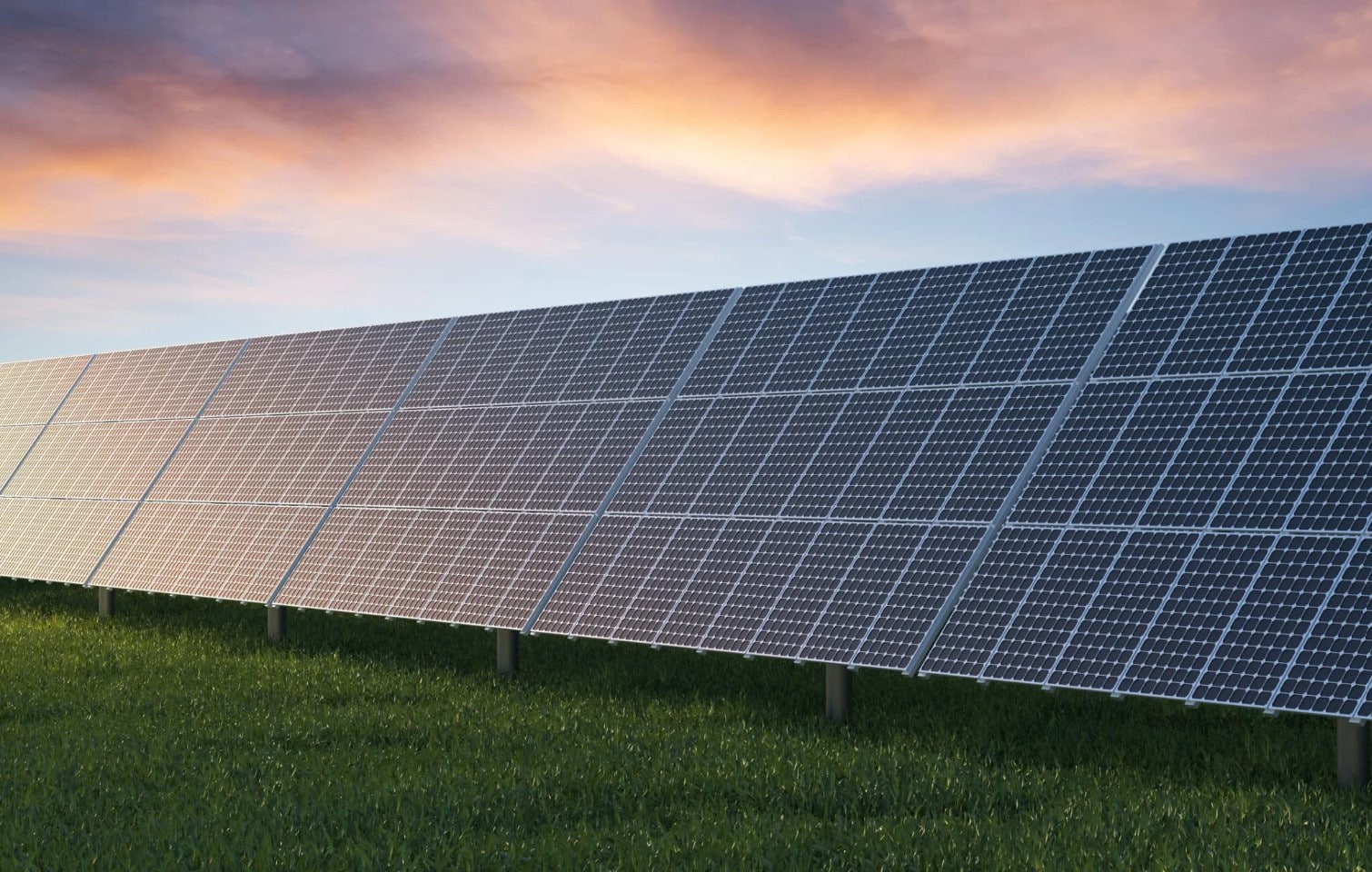
A common question is how monocrystalline panels compare with polycrystalline solar panels.
The primary difference lies in how the silicon cells are manufactured. Monocrystalline panels use silicon from a single crystal structure, while polycrystalline cells are produced from multiple silicon crystal fragments.
Monocrystalline panels generally offer higher efficiency and better space utilization, while polycrystalline panels have historically been considered a more budget-oriented option. However, the actual choice should depend on the project’s budget, available space, expected energy consumption, and current product specifications.
Rather than selecting a panel solely based on its name, it is sensible to compare efficiency, warranty, power rating, installation requirements, and expected performance.
Monocrystalline Solar Panels for Indian Conditions
India receives substantial sunlight across many regions, making solar power an increasingly practical energy source. However, panel performance can be influenced by factors such as temperature, shading, dust, orientation, installation angle, and system design.
Regular maintenance is therefore important. Dust accumulation can reduce the amount of sunlight reaching the cells, particularly in areas with dry or dusty conditions. Periodic cleaning and professional system inspections can help maintain performance.
For Indian homes and businesses, choosing the right solar panel is only one part of the process. Correct system sizing, inverter selection, mounting structure, wiring, and installation quality also have a significant impact on the overall result.
How Much Do Monocrystalline Solar Panels Cost?
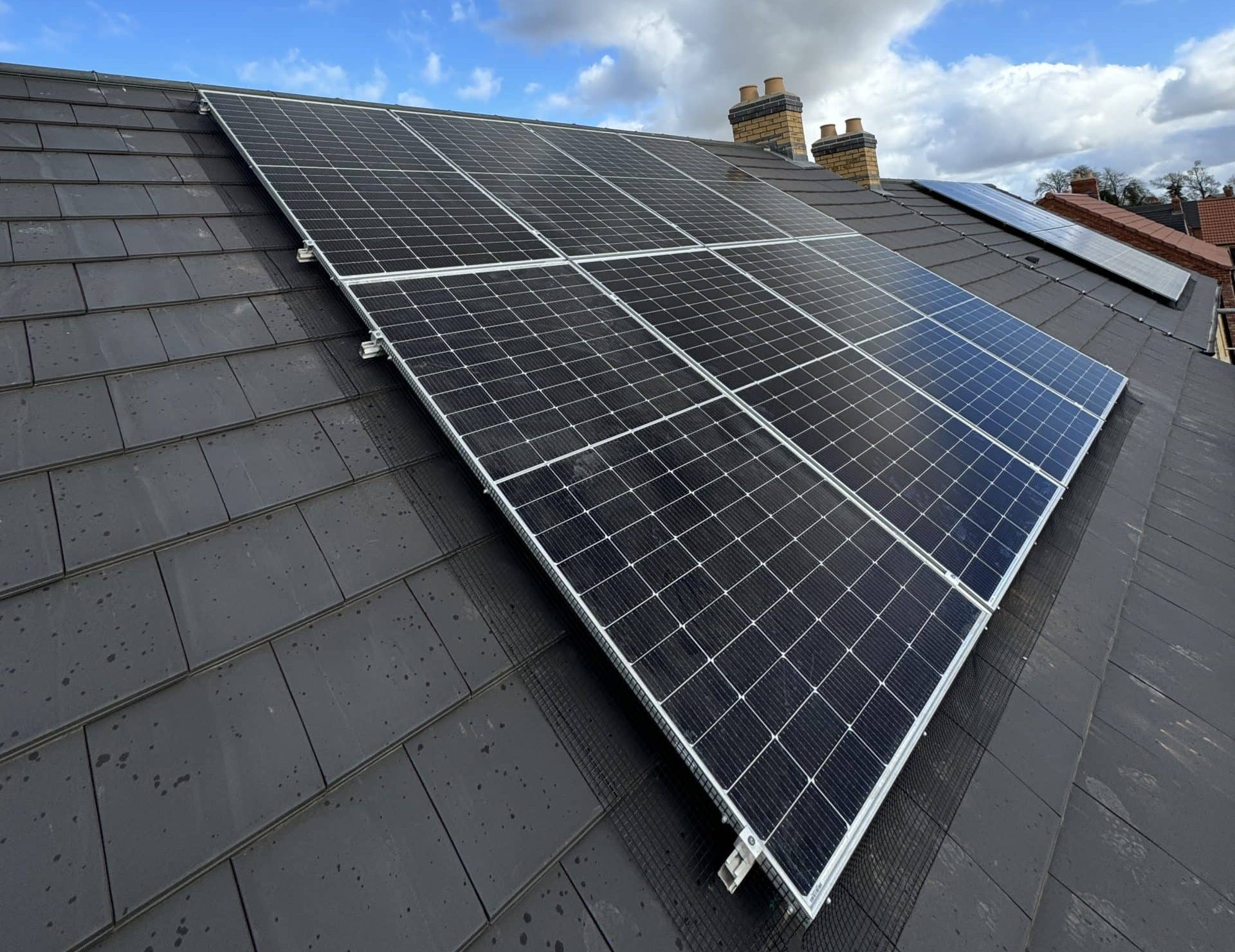
The cost of a solar installation depends on several factors rather than simply the price of individual panels. System capacity, inverter type, mounting structure, installation requirements, electrical work, and additional equipment can all affect the final project cost.
Prices can also change as manufacturers introduce newer technologies and market conditions change. Therefore, it is better to request a project-specific quotation instead of relying on a general per-panel price.
At Dexter Energy, the appropriate solar solution can be evaluated according to electricity consumption, available installation space, and project requirements.
Are Monocrystalline Panels Right for You?
There is no single solar panel technology that suits every property. Monocrystalline panels can be particularly suitable when high efficiency, limited rooftop space, and long-term performance are important considerations.
Before purchasing, evaluate your monthly electricity consumption, available roof area, shading conditions, budget, and future energy requirements. A professional assessment can help determine the appropriate system capacity and panel configuration.
Frequently Asked Questions
1. Are monocrystalline solar panels efficient?
Yes. Monocrystalline panels are generally known for their high efficiency compared with many conventional solar panel technologies, allowing them to generate more electricity from a given area.
2. How long do monocrystalline solar panels last?
Quality solar panels are designed for long-term operation and can continue producing electricity for decades, although their output gradually decreases over time.
3. Are monocrystalline panels suitable for homes?
Yes. They can be particularly useful for homes with limited rooftop space because of their relatively high power generation per unit area.
4. Do monocrystalline panels work on cloudy days?
They can still generate electricity under cloudy conditions because some sunlight reaches the panels. However, electricity production is normally lower than during strong direct sunlight.
5. Do monocrystalline panels require maintenance?
They require relatively low maintenance, but periodic cleaning and inspection can help prevent dust, dirt, or other issues from affecting system performance.
6. Are monocrystalline panels better than polycrystalline panels?
They have different characteristics. Monocrystalline panels generally provide higher efficiency and better space utilization, while the best choice depends on the project’s requirements, budget, and available space.
7. Can monocrystalline panels be used for commercial buildings?
Yes. They are commonly considered for commercial and industrial applications where maximizing electricity generation from available roof space is important.
Conclusion
Monocrystalline Solar Panels combine high efficiency, effective space utilization, attractive design, and long-term electricity generation potential. These qualities make them an important option for residential, commercial, and industrial solar projects.
However, selecting the right panel should always be part of a broader system evaluation. Roof conditions, electricity consumption, system capacity, inverter selection, installation quality, and maintenance all influence the final performance of a solar power system.
If you are exploring solar energy for your property, Dexter Energy can help you understand the available option.