
As electricity costs continue to influence household and business budgets, solar power has become a practical way to generate clean electricity. Among the different photovoltaic technologies available today, Polycrystalline Solar Panels remain a popular choice because they offer a balance between performance, affordability, and durability.
Unlike monocrystalline panels, polycrystalline panels are manufactured using multiple silicon crystals. This manufacturing approach makes them relatively cost-effective while still providing reliable energy generation. For homeowners, commercial properties, and industrial applications, choosing the right solar technology depends on factors such as available space, energy requirements, budget, and local sunlight conditions.
At Dexter Energy, we help customers understand these factors before selecting a suitable solar energy solution.
What Are Polycrystalline Solar Panels?
Polycrystalline solar panels are photovoltaic modules made from multiple silicon crystal fragments. During manufacturing, silicon is melted and poured into a square-shaped mold, where it cools and forms several crystals. These silicon cells are then processed and assembled into solar panels.
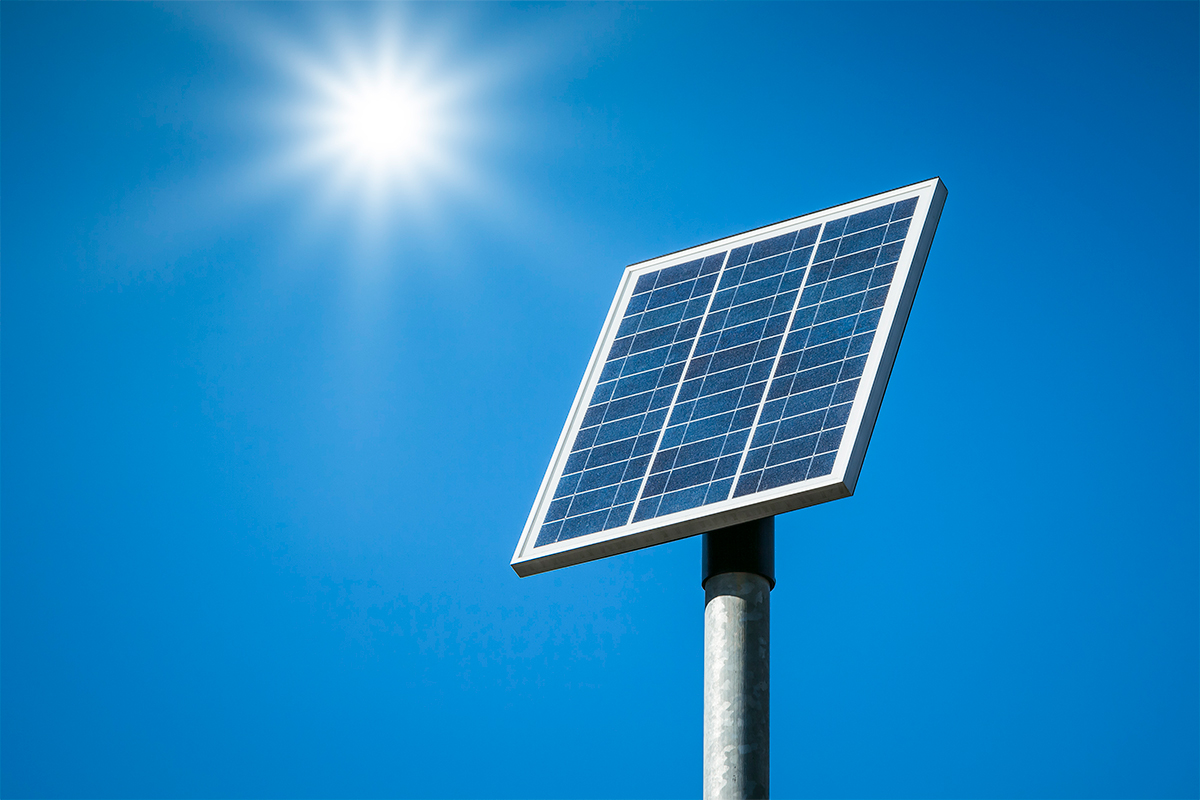
The visible surface of a polycrystalline panel generally has a distinctive blue, speckled appearance because of the multiple crystal structures within the cells.
The manufacturing process is comparatively straightforward, which traditionally makes polycrystalline panels less expensive to produce than some other conventional silicon technologies.
How Do Polycrystalline Solar Panels Work?
The working principle is similar to other photovoltaic panels. When sunlight reaches the solar cells, photons transfer energy to electrons within the semiconductor material. This movement creates direct current (DC) electricity.
An inverter then converts the DC electricity into alternating current (AC), which can be used by household appliances, commercial equipment, or other electrical loads.
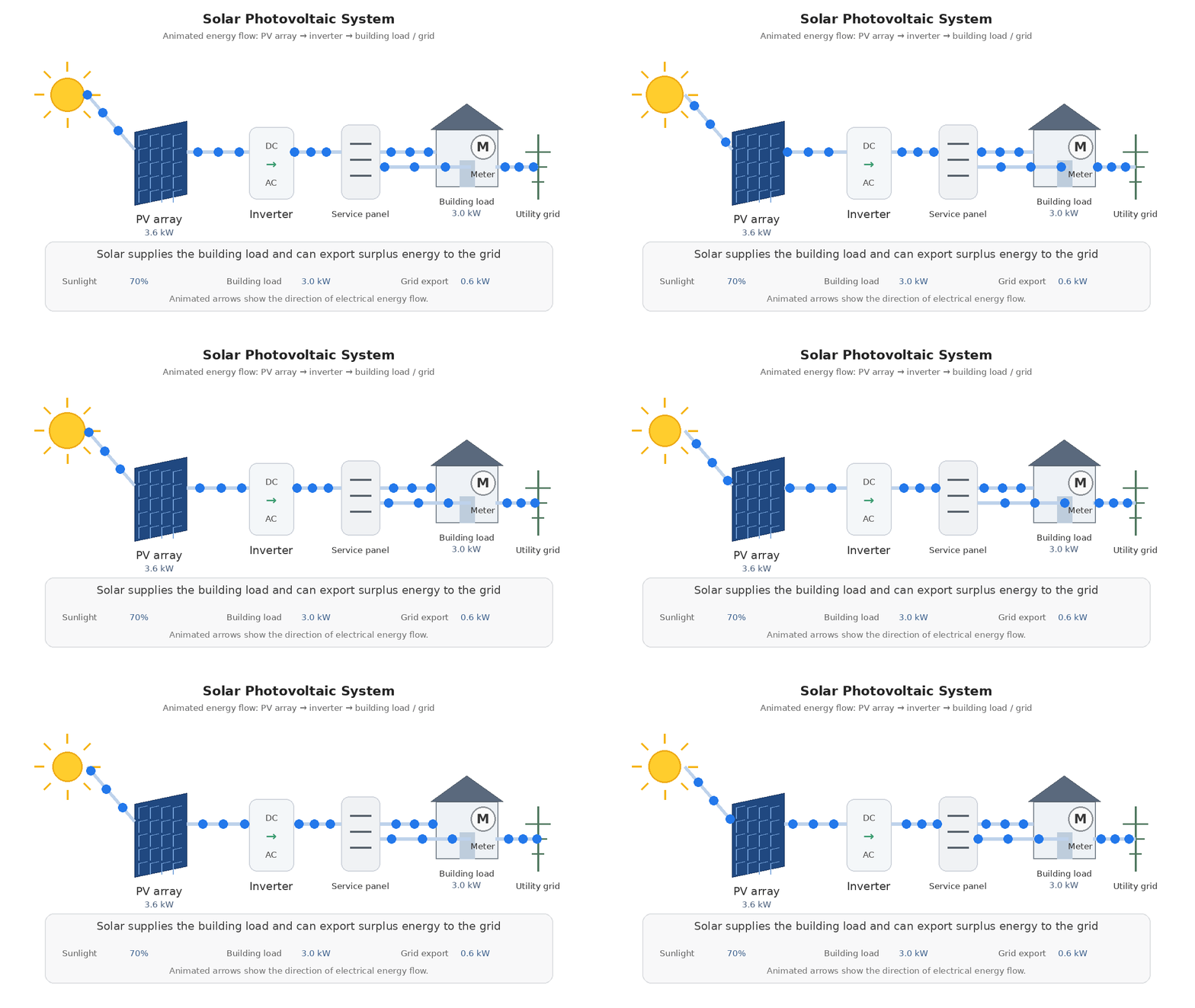
A properly designed solar panel installation can therefore help a property generate electricity during daylight hours and reduce dependence on electricity supplied from the grid.
Key Benefits of Polycrystalline Solar Panels
1. Cost-Effective Technology
One of the major reasons customers consider polycrystalline modules is their comparatively economical manufacturing process. For projects where controlling the initial investment is important, they can be a practical option.
2. Reliable Energy Generation
Polycrystalline technology has been used extensively in solar projects worldwide. When properly installed and maintained, these panels can provide dependable electricity generation for many years.
3. Suitable for Different Applications
Polycrystalline panels can be considered for residential rooftops, commercial buildings, educational institutions, agricultural facilities, and other properties with suitable roof or ground space.
4. Established Solar Technology
Because polycrystalline technology has been commercially used for many years, installers and solar professionals have considerable experience designing systems around these modules.
5. Lower Environmental Impact During Operation
Like other photovoltaic systems, polycrystalline panels generate electricity without directly burning fossil fuels during operation. This makes solar power an important component of many efforts to reduce reliance on conventional electricity generation.
Polycrystalline vs. Monocrystalline Solar Panels
A common question is whether polycrystalline or monocrystalline technology is better. The answer depends on the project.
Monocrystalline panels generally offer higher efficiency and can be useful when rooftop space is limited. Polycrystalline panels, on the other hand, have traditionally offered a more budget-conscious option.
When comparing polycrystalline solar panel efficiency, it is important not to look at panel efficiency alone. Available installation space, electricity consumption, shading, orientation, temperature, system design, and the quality of other components can all influence actual energy production.
Are Polycrystalline Panels Suitable for Indian Conditions?
India receives substantial solar radiation across many regions, making photovoltaic systems suitable for a wide range of applications. However, local climate and installation conditions still matter.
High temperatures, dust accumulation, shading, rooftop orientation, and regular maintenance can influence solar generation. A professional site assessment can help determine whether polycrystalline technology is appropriate for a particular property.
For solar panels for homes, the expected electricity consumption and usable rooftop area should be assessed before selecting the panel type. Commercial and industrial customers may also need a more detailed analysis because their electricity demand can vary considerably throughout the day.
What Should You Consider Before Installation?
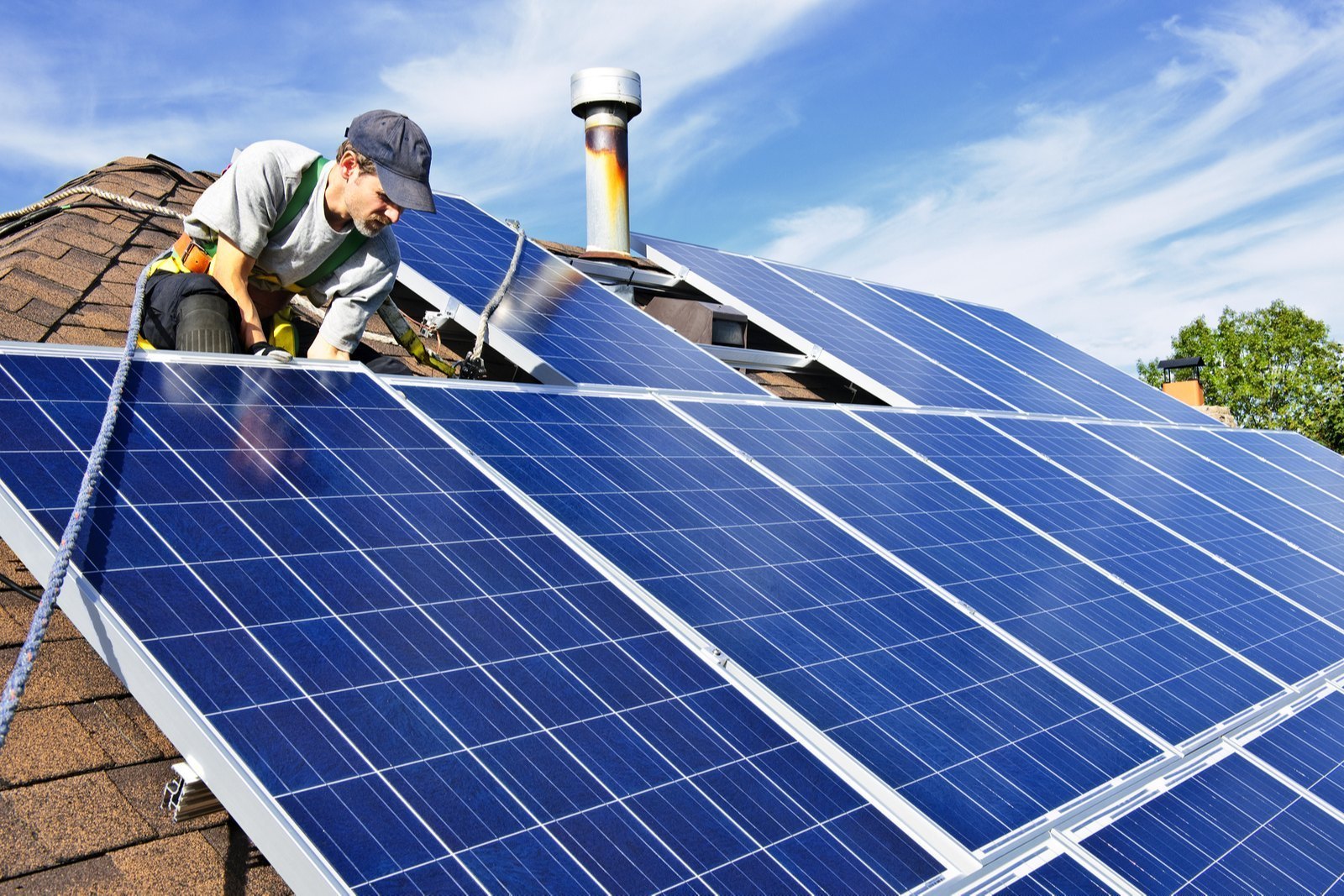
Before investing in a solar system, consider:
- Your average monthly electricity consumption
- Available rooftop or ground space
- Shading from nearby buildings or trees
- Panel efficiency and specifications
- Inverter quality
- Mounting structure and installation standards
- Warranty and after-sales support
- Expected maintenance requirements
- Overall project budget
The cost of solar panels should also be evaluated as part of the complete system rather than looking only at the price of individual modules. Inverter, mounting structure, wiring, installation, and other components contribute to the overall project cost.
Frequently Asked Questions
1. What are Polycrystalline Solar Panels?
They are photovoltaic panels manufactured using silicon formed from multiple crystal structures. They convert sunlight into electrical energy.
2. Are polycrystalline panels good for homes?
Yes, they can be suitable for residential applications when the property has adequate installation space and the system is properly designed.
3. Are polycrystalline panels cheaper than monocrystalline panels?
Historically, polycrystalline panels have generally been positioned as a more economical silicon-panel option, although actual prices vary by manufacturer, specification, market conditions, and project size.
4. How long do polycrystalline solar panels last?
Quality solar panels are designed for long-term operation. Their actual service life depends on product quality, environmental conditions, installation, and maintenance.
5. Do polycrystalline panels work on cloudy days?
Yes. Solar panels can generate electricity under diffuse sunlight, although their output is generally lower than during strong direct sunlight.
6. Do polycrystalline panels require regular maintenance?
Solar panels typically require relatively limited maintenance, but periodic cleaning and inspection can help maintain system performance, especially in dusty environments.
7. Can polycrystalline panels reduce electricity bills?
A properly sized solar system can generate electricity for on-site consumption and may reduce the amount of electricity purchased from the grid. Actual savings depend on system size, energy consumption, tariffs, and applicable regulations.
8. How should I choose between polycrystalline and monocrystalline panels?
Compare efficiency, available space, budget, product specifications, warranties, and expected energy requirements. A professional assessment can help identify the appropriate technology for your project.
Conclusion
Polycrystalline Solar Panels continue to be a practical photovoltaic option for customers looking for a balance between technology, reliability, and project cost. Their suitability depends on the specific property, available installation area, electricity requirements, and overall system design.
Rather than choosing a panel solely on its price or efficiency rating, consider the complete solar solution including inverter selection, installation quality, system sizing, warranties, and long-term support.
Get Started with Dexter Energy
Ready to explore solar energy for your home, commercial property, or industrial project? Contact Dexter Energy to discuss your requirements and find a solar solution designed around your energy needs.
Website: https://dexterenergy.in/
Phone: +91-9625528677
Email: enquiry@dexter-chem.com