India is moving toward clean energy faster than ever, and businesses are at the center of this shift. Rising electricity costs, sustainability goals and government initiatives have pushed companies to invest in Commercial Solar Solutions India. Whether it’s a factory, corporate office, warehouse, school, hospital or retail store, commercial solar systems are helping organizations reduce power bills and build long-term energy independence.
This guide walks you through everything you need to know: benefits, cost, installation process, maintenance, subsidies, ROI and best practices. It is an in-depth resource for any business planning to switch to solar power.
Table of Contents
-
Introduction to Commercial Solar Solutions India
-
Why Indian Businesses Are Switching to Solar
-
Types of Commercial Solar Systems
-
Key Components Used in Commercial Solar
-
How Commercial Solar Installation Works
-
Cost of Commercial Solar Systems in India
-
ROI and Payback Period
-
Government Subsidies & Policies
-
Industries Benefiting from Commercial Solar
-
Maintenance Requirements
-
Common Mistakes to Avoid
-
Future of Commercial Solar in India
-
FAQs
-
Conclusion
Introduction to Commercial Solar Solutions India
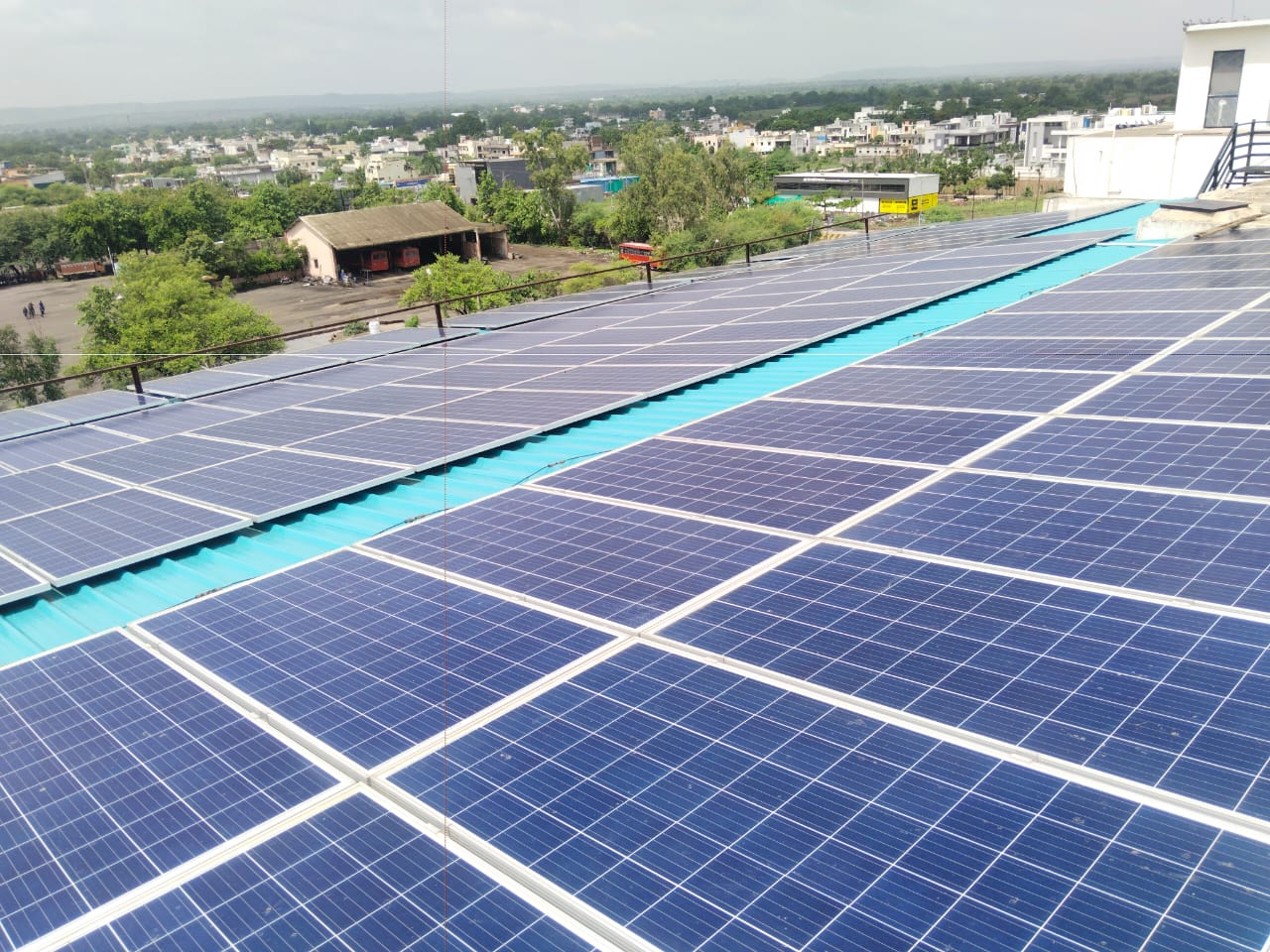
Commercial solar installations are large-scale power systems designed to meet the electricity needs of businesses. With India’s energy demand rising, companies are choosing solar to reduce bills, meet sustainability targets and avoid grid dependency. The demand for Commercial Solar Solutions India is increasing rapidly as organizations want reliable, predictable and cost-effective energy sources.
Solar technology has become more affordable and efficient over the years. The availability of net metering, better financing options and government push has made commercial solar systems a smart investment for any business.
industrial solar systems India, commercial rooftop solar India, commercial solar installation India, solar power for business.
Why Indian Businesses Are Switching to Solar
Businesses in India face high electricity prices and frequent grid issues. Solar power helps solve these challenges.
Reduced Electricity Bills
Electricity tariffs for commercial users are much higher than for homes. Solar power helps companies reduce dependence on the grid and save up to 60–80% on monthly bills. This makes commercial rooftop solar India a cost-effective investment.
Long-Term Savings
Commercial systems last 25–30 years and require limited maintenance. Once installed, the energy generated is practically free. This long-term benefit is one of the biggest reasons why more factories and corporate offices are adopting commercial solar solutions Guugaon.
Reliable Power for Critical Operations
Industries dealing with heavy machinery or IT servers cannot afford downtime. Solar systems paired with batteries guarantee uninterrupted power supply.
Sustainability Goals and Brand Reputation
Companies today want to follow ESG standards and reduce carbon footprint. Solar power helps achieve sustainability goals and improves brand trust.
Types of Commercial Solar Systems in India
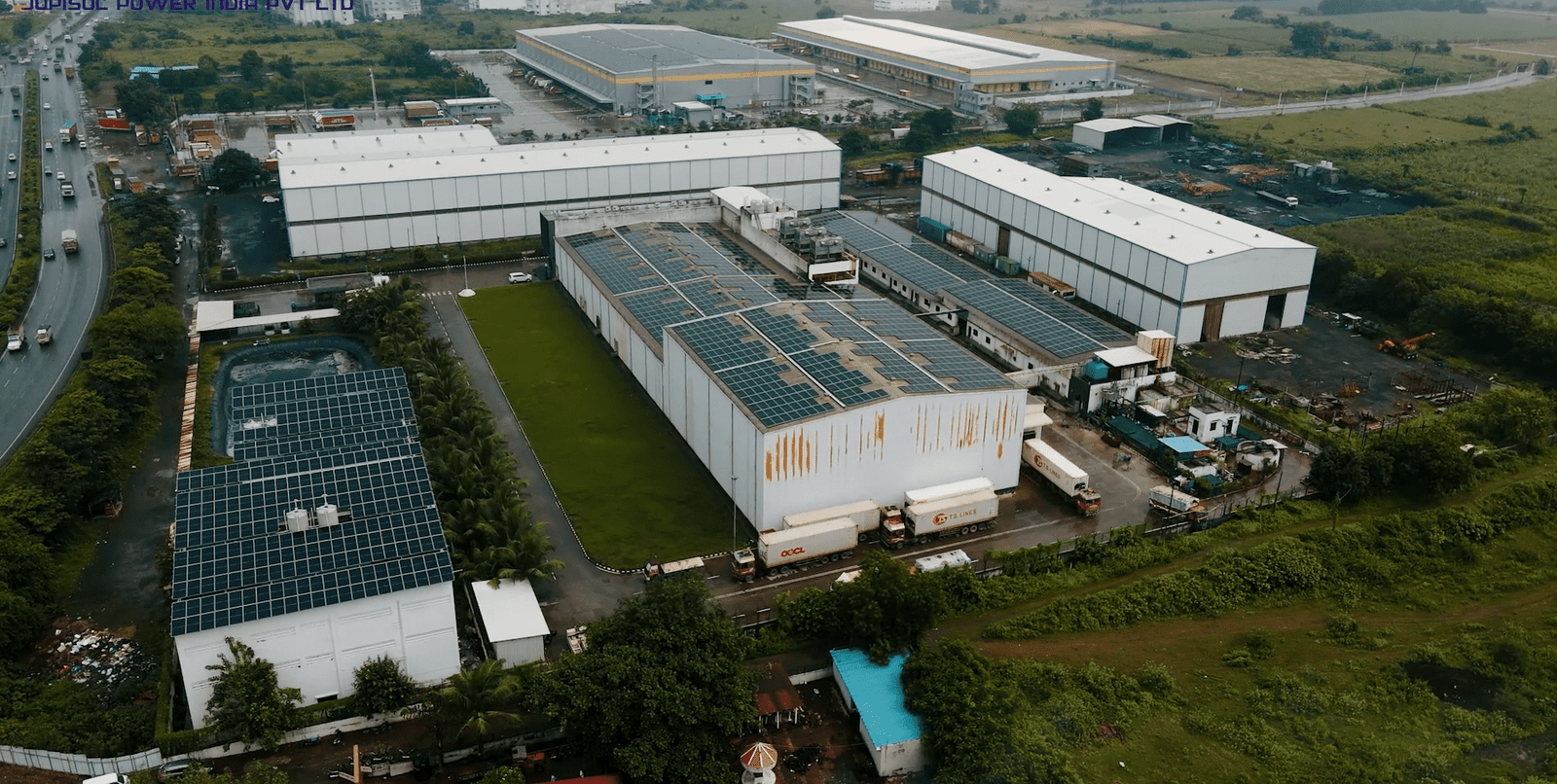
Your choice of solar system depends on space, energy load and budget.
On-Grid Commercial Solar System
This is the most popular option for commercial solar installation India.
Key Features
-
Connected to the main grid
-
Allows net metering
-
Lowest cost option
-
Best for businesses with high daytime energy consumption
Off-Grid Commercial Solar System
Ideal for remote areas without stable grid power.
Key Features
-
Works independently
-
Requires battery storage
-
Higher investment but offers full independence
Hybrid Commercial Solar System
A mix of on-grid and off-grid systems.
Key Features
-
Supports net metering
-
Provides backup through batteries
-
Best for companies needing uninterrupted power
Key Components Used in Commercial Solar Systems
Every part plays a role in performance, safety and ROI.
Solar Panels
Monocrystalline and bifacial panels are the top choice for commercial solar solutions India due to higher efficiency.
Inverters
Convert DC power into usable AC power. Types include string inverters, microinverters and central inverters.
Mounting Structures
Rooftop or ground-mounted frames designed to handle extreme weather.
Batteries
Lithium-ion batteries are preferred for backup and hybrid systems.
Monitoring System
Allows real-time tracking of generation and performance.
How Commercial Solar Installation Works
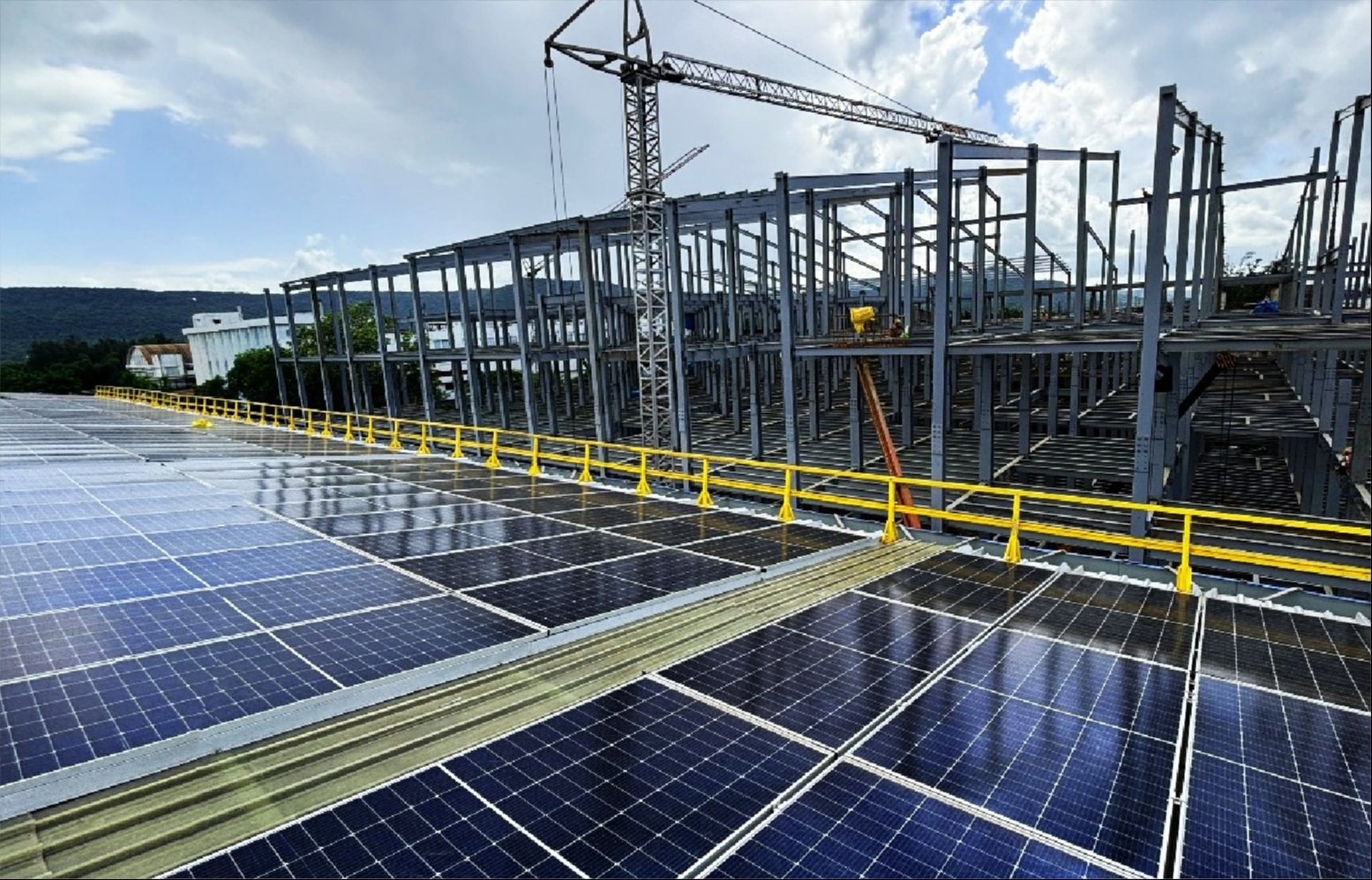
Switching to solar involves a step-by-step process.
Site Survey
Professionals evaluate:
-
Roof strength
-
Shadow analysis
-
Load requirement
-
Available area
System Designing
A custom solution is designed based on power load and business needs.
Procurement of Materials
High-quality components ensure safety and long-term output.
Installation & Wiring
Installation involves panel mounting, inverter setup and electrical connections.
Testing & Commissioning
System is tested before being connected to the grid through net metering.
Handing Over & Training
Businesses receive training to monitor generation and maintain safety.
Cost of Commercial Solar Systems in India
Costs vary based on system size, components and installation type.
ROI and Payback Period for Commercial Solar Solutions India
Commercial systems offer one of the best ROIs among modern energy investments.
Typical Payback Period
-
On-grid: 3–4 years
-
Hybrid: 4–6 years
-
Off-grid: 5–7 years
ROI Over System Lifetime
A 100 kW commercial solar system pays for itself and continues generating free electricity for nearly 25 years. Companies save crores in long-term operational costs.
Government Subsidies & Support for Commercial Solar
Net Metering Benefits
Businesses can send excess solar power back to the grid and reduce bills even further.
Accelerated Depreciation
Companies can claim 40% depreciation on solar assets. This allows faster tax benefits and reduces the project cost.
State-Level Incentives
Many states offer:
-
Reduced electricity duty
-
Waived open-access charges
-
Faster approval policies
Commercial users do not get subsidies like residential consumers, but corporate tax benefits are massive.
Industries Benefiting from Commercial Solar Solutions India
Solar power is now common across industries:
Manufacturing & Industrial Plants
They benefit the most due to high daytime energy usage.
Corporate Offices & IT Parks
Solar helps cut huge electricity bills from AC, computers and servers.
Warehouses & Logistics Firms
Large rooftop spaces are ideal for commercial rooftop solar India.
Schools, Colleges & Hospitals
These institutions can save significant operational costs.
Hotels, Resorts & Retail Stores
Solar helps reduce energy costs while improving sustainability branding.
Maintenance Requirements for Commercial Solar Systems
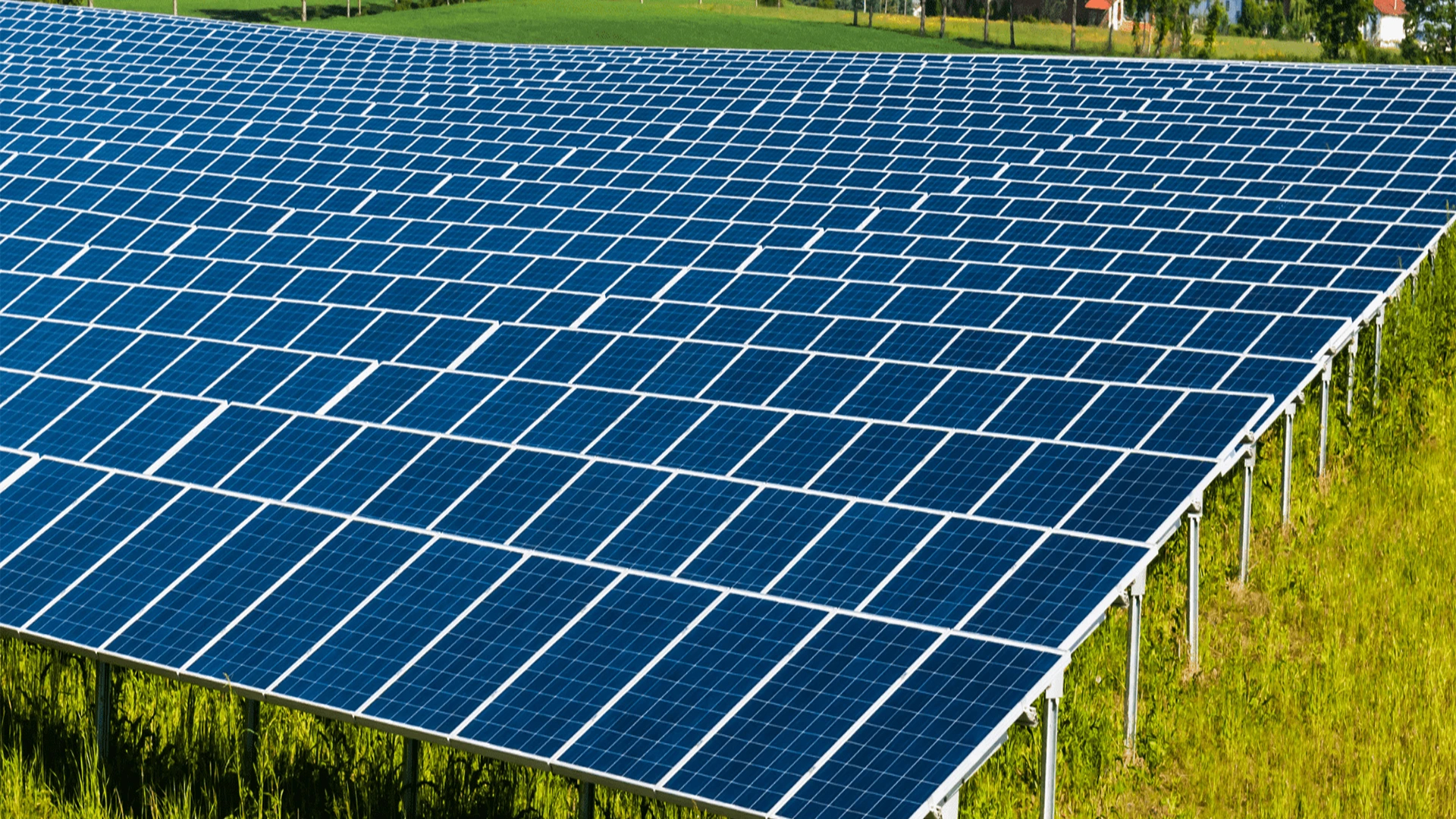
Commercial systems have low maintenance needs.
Key Maintenance Activities
-
Panel cleaning every 15–30 days
-
Annual inspection
-
Checking cables and inverters
-
Performance monitoring
Proper maintenance improves output and extends system life.
Common Mistakes to Avoid When Choosing Commercial Solar Solutions India
Going for the Lowest Price
Cheap equipment leads to low efficiency and high maintenance costs.
Incorrect System Size
A proper energy audit helps avoid over-sizing or under-sizing.
Ignoring Warranty and After-Sales Service
Always choose certified installers with strong support systems.
Poor Roof Assessment
Weak rooftops or shading issues reduce efficiency.
Future of Commercial Solar in India
India’s commercial solar market is expected to grow over 40% by 2030. Businesses will adopt:
-
AI-driven solar monitoring
-
High-efficiency bifacial panels
-
Large-scale hybrid systems
-
Solar-plus-storage microgrids
The future is bright for commercial solar solutions India, and early adopters will see massive benefits.
FAQs About Commercial Solar Solutions India
What is the lifespan of a commercial solar system?
Most systems last 25–30 years with proper maintenance.
How much can a business save with solar?
Savings range from 60–80% depending on system size and energy usage.
Is net metering available for commercial users in India?
Yes, almost every state offers net metering for commercial installations.
What type of solar system is best for commercial use?
On-grid systems are the most economical for most businesses.
Do commercial solar systems require batteries?
Batteries are optional and used mainly where backup power is needed.
How long does installation take?
Typical 100 kW systems require 15–25 days.
Can solar panels work during monsoon?
Yes, though output reduces slightly due to clouds.
What is the warranty on commercial solar solutions?
Panels: 25 years
Inverters: 5–10 years
Can factories use solar power for heavy machines?
Yes, commercial solar supports large loads efficiently.
Is commercial solar eligible for subsidy?
Commercial users do not get direct subsidies but can avail tax benefits.
Conclusion
Commercial Solar Solutions India are transforming how businesses manage energy. Lower costs, stable power supply and strong ROI make solar a smart choice for any commercial establishment. As electricity prices continue to rise, businesses investing in solar today will enjoy long-term savings and a competitive advantage tomorrow.
Whether you run a factory, school, hospital, warehouse, mall or office, switching to solar is one of the most practical and profitable decisions you can make for your business.