Solar Panels are no longer a futuristic concept or something limited to large industrial projects. They have become part of everyday life. From powering homes to heating water and charging mobile devices, Solar Panels are quietly changing the way we consume electricity.
With rising electricity bills and increasing awareness about climate change, more households are shifting toward renewable energy solutions. The shift is not just about saving money. It is about energy independence, sustainability, and long-term value.
In this detailed guide, we will explore how Solar Panels are used in daily life, how they work in simple terms, and why they are becoming essential for modern living.
Also Read: On Grid 1kW Inverter: A Complete Guide to Smart Solar Power Solutions by DexterEnergy in 2026
Understanding How Solar Panels Work
Before discussing their uses, it helps to understand the basics.
Solar Panels capture sunlight and convert it into electricity using photovoltaic cells. When sunlight hits these cells, it generates direct current electricity. This electricity then passes through an inverter, which converts it into usable alternating current for household appliances.
A complete solar energy system may include:
-
Solar panels
-
Inverter
-
Mounting structure
-
Battery storage (optional)
-
Net meter (for grid connection)
This system can power everything from lights and fans to refrigerators and washing machines.
1. Solar Panels for Home Electricity
One of the most common uses of Solar Panels is generating electricity for homes.
Powering Daily Appliances
A residential solar power setup can operate:
-
LED lights
-
Ceiling fans
-
Televisions
-
Laptops
-
Refrigerators
-
Air conditioners (depending on system size)
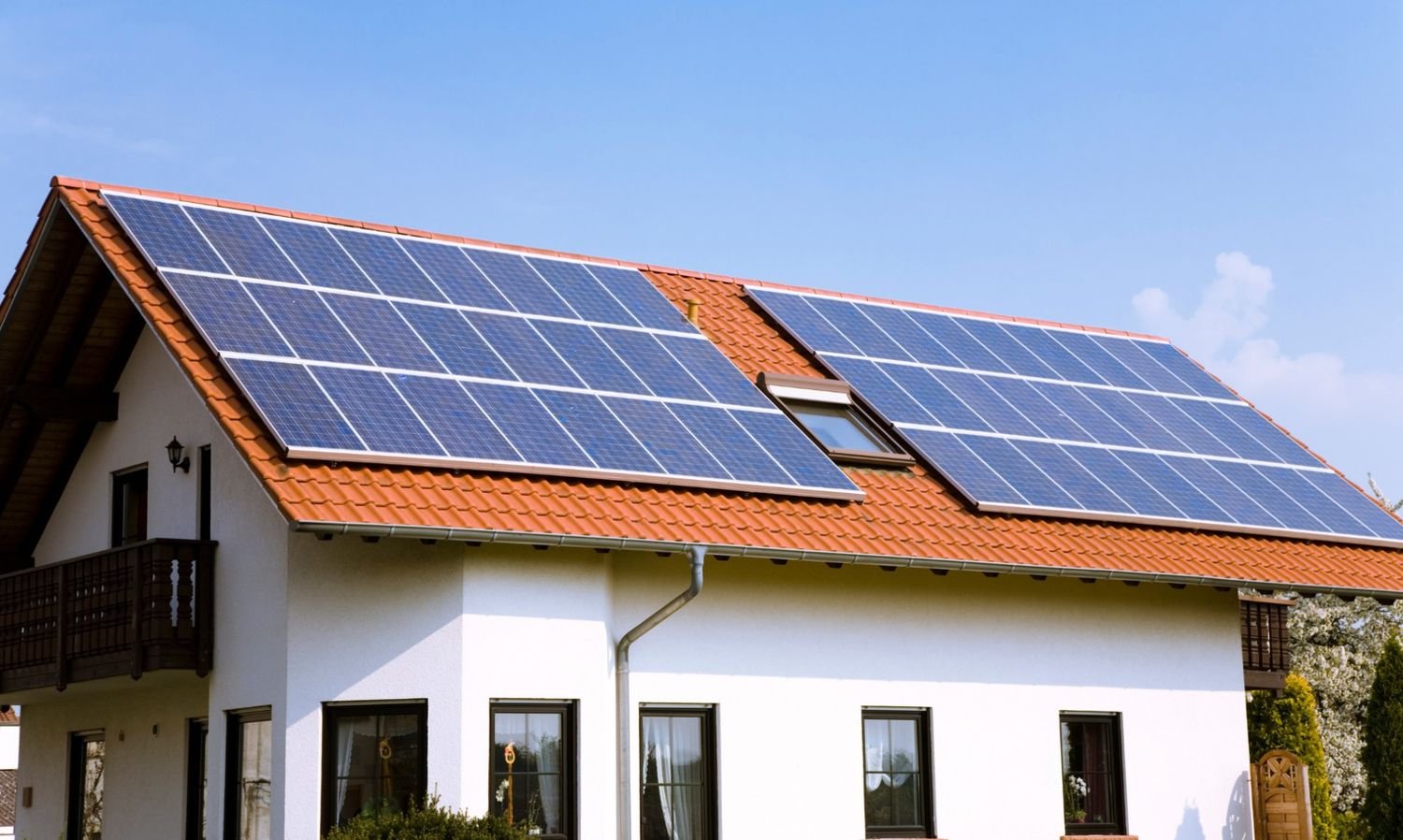
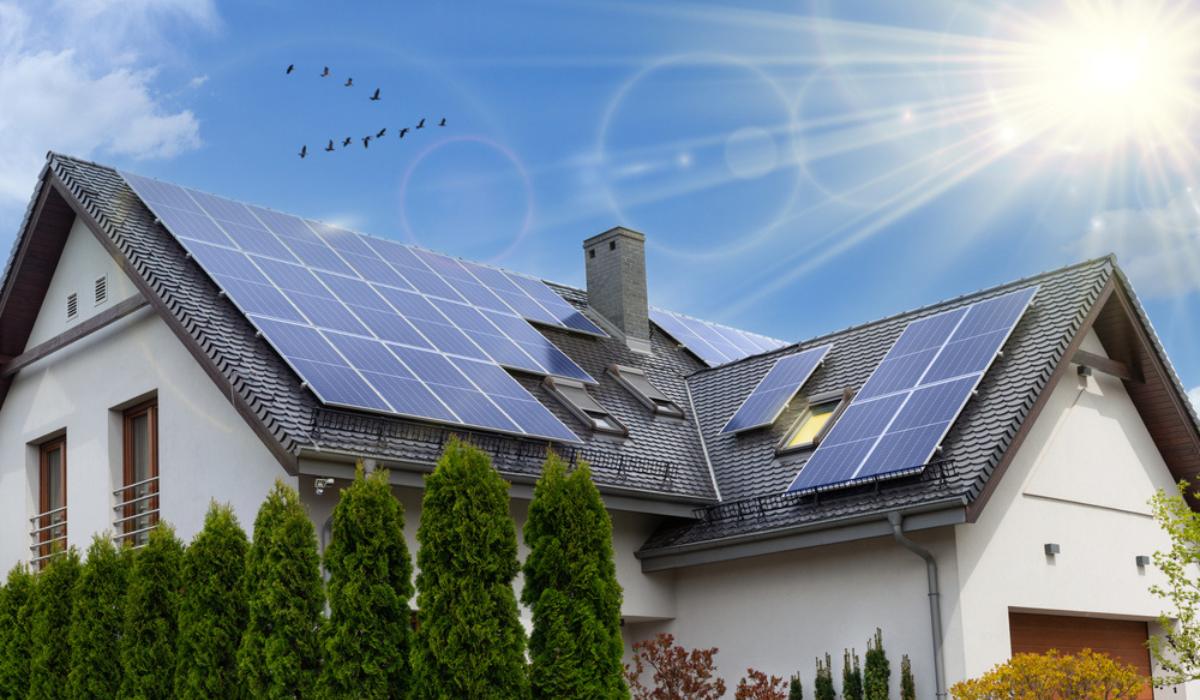
Many homeowners install rooftop Solar Panels to reduce their dependence on traditional electricity. In grid-connected systems, excess power can be sent back to the grid through net metering, helping reduce electricity bills significantly.
Reducing Monthly Bills
Electricity costs continue to rise year after year. By installing Solar Panels, homeowners can lock in lower energy costs for decades. Although the initial investment may seem high, long-term savings make it financially practical.
2. Solar Water Heating Systems
Another common application is the solar water heater.
Instead of using electricity or gas to heat water, these systems use sunlight to warm water stored in insulated tanks.
Daily Uses Include:
-
Bathing
-
Washing utensils
-
Cleaning
-
Laundry
Solar water heaters are especially effective in regions that receive strong sunlight throughout the year. They are cost-efficient and reduce household energy consumption significantly.
Compared to electric geysers, they lower power usage while providing consistent hot water.
3. Solar Lighting Solutions
Solar lighting solutions are widely used in both urban and rural areas.
Outdoor Lighting
Solar Panels power:
-
Garden lights
-
Street lights
-
Pathway lights
-
Security lights
These lights charge during the day and automatically switch on at night. Since they do not require wiring, installation is simple and maintenance is minimal.
Indoor Backup Lighting
Small solar energy systems can provide backup lighting during power cuts. This is especially useful in areas where electricity supply is unstable.
Also Read: Off Grid Solar System Price in India: Complete Cost Breakdown, Components, and Buying Guide in 2026
4. Solar Panels for Charging Devices
Portable Solar Panels and small solar kits are commonly used for charging:
-
Smartphones
-
Tablets
-
Power banks
-
Cameras
These are useful during travel, camping, and outdoor activities. Even in urban homes, compact solar charging systems provide emergency backup power.
This shows how Solar Panels are not limited to rooftops. They are becoming personal energy tools.
5. Solar Cooking Applications
Solar cookers are another innovative daily-life application.
These devices use reflective panels to focus sunlight onto a cooking container. They are commonly used in rural areas and eco-conscious households.
Benefits include:
-
Zero fuel cost
-
No smoke or pollution
-
Safe and environmentally friendly cooking
Although cooking time may be slightly longer than gas stoves, solar cooking remains an efficient renewable energy solution.
6. Solar Panels for Water Pumps
In agricultural and semi-urban areas, Solar Panels power water pumps.
Solar water pumps are used for:
-
Irrigation
-
Drinking water supply
-
Livestock watering
Farmers benefit from reduced diesel costs and lower electricity dependency. Government subsidies in many regions encourage the adoption of solar-powered irrigation systems.
7. Solar Backup Power Systems
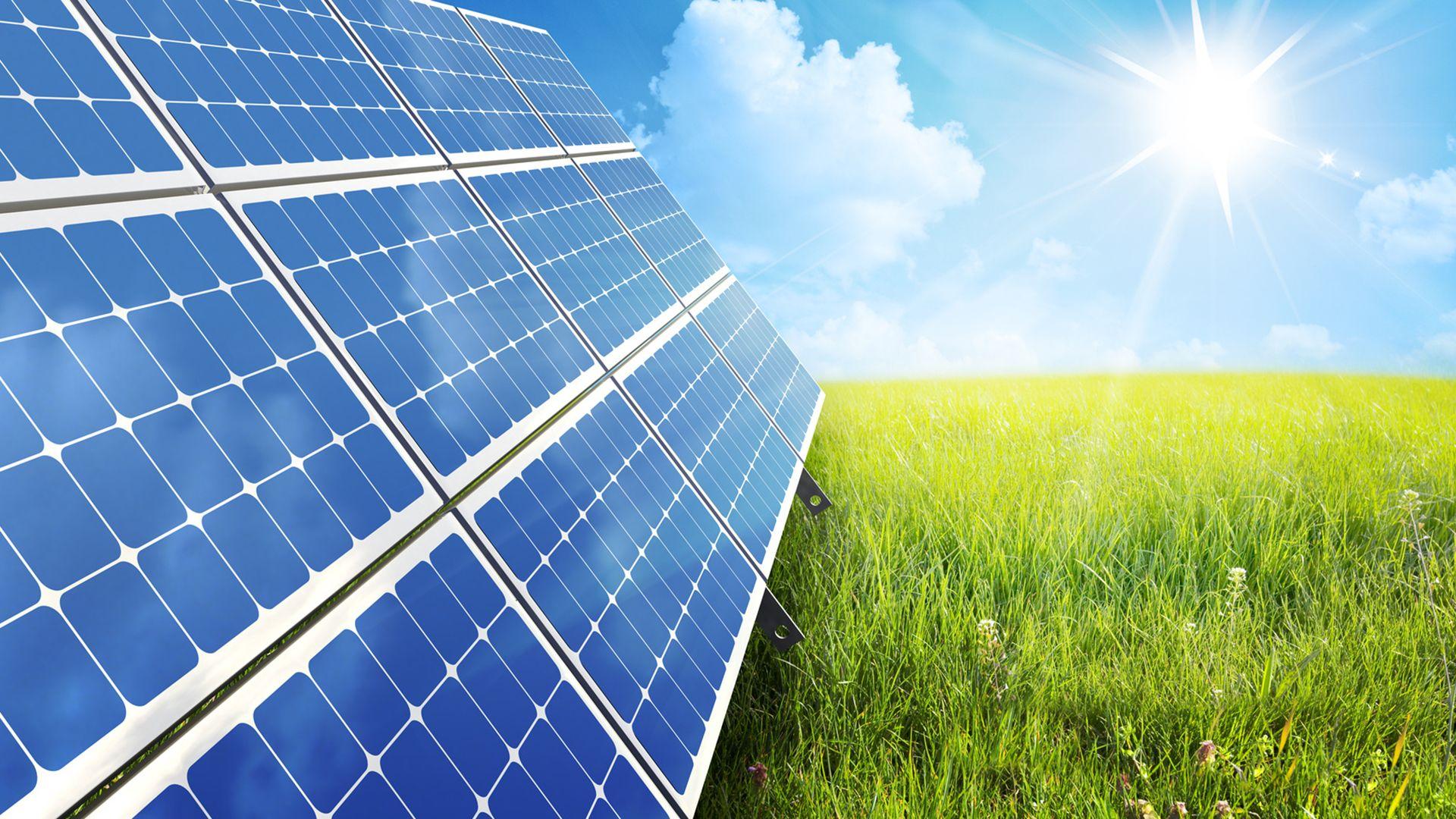
Many households now use Solar Panels with battery storage for backup during outages.
This system stores excess solar power during the day and uses it at night or during blackouts. Unlike traditional generators, solar backup systems are:
-
Noise-free
-
Pollution-free
-
Low maintenance
They are becoming a preferred alternative to diesel generators in residential areas.
8. Solar Panels in Apartments and Housing Societies
Even if you do not own an independent house, Solar Panels can still be useful.
Many housing societies install shared solar energy systems on rooftops to power:
-
Common area lighting
-
Elevators
-
Water pumps
-
Security systems
This reduces maintenance costs for residents and promotes sustainable living.
9. Environmental Benefits of Solar Panels
Beyond daily utility, Solar Panels play a major role in protecting the environment.
Reduced Carbon Emissions
Solar power does not produce greenhouse gases during operation. By shifting to residential solar power, households reduce their carbon footprint.
Renewable and Sustainable
Sunlight is an unlimited natural resource. Unlike coal or gas, solar energy does not deplete over time.
Cleaner Air
Widespread adoption of Solar Panels reduces reliance on fossil fuels, contributing to improved air quality.
10. Financial and Long-Term Benefits
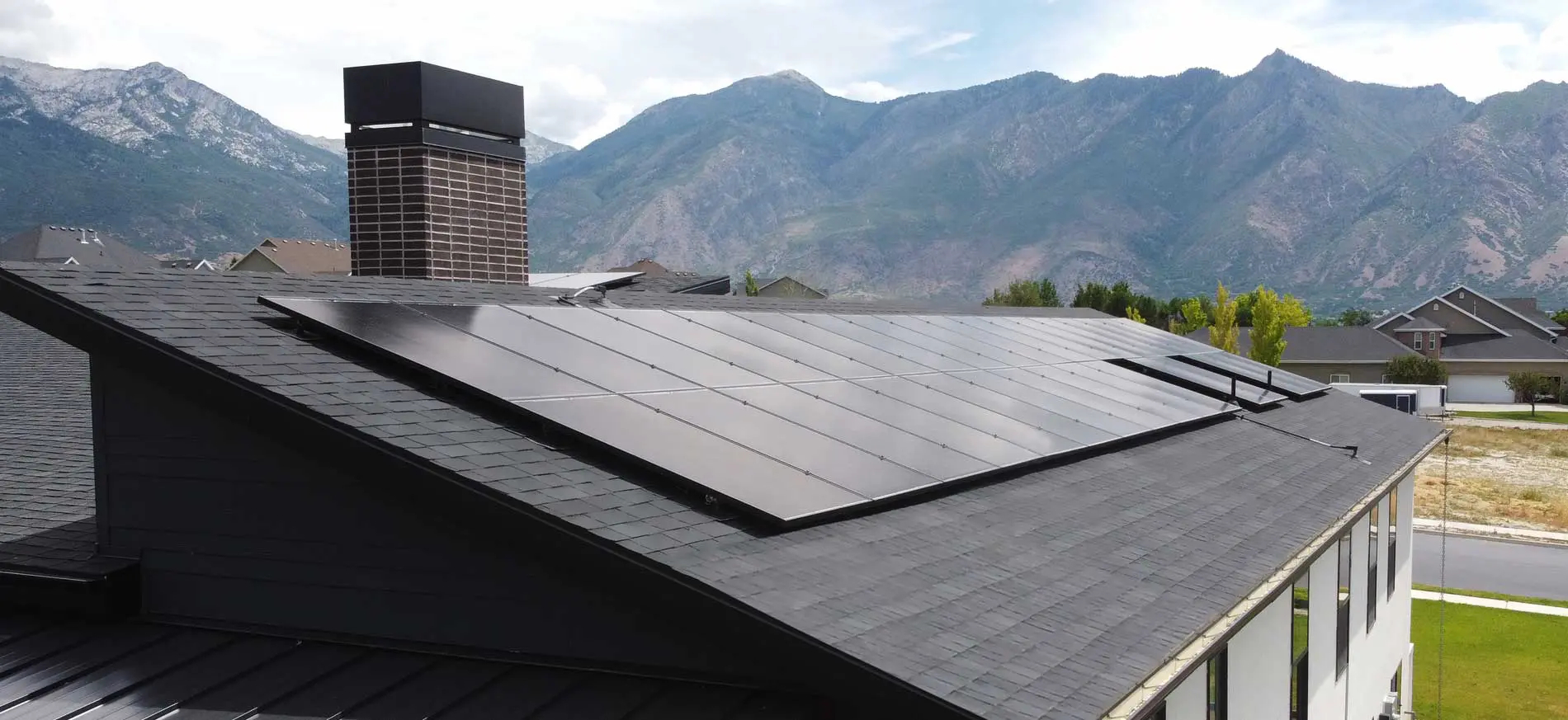
Installing Solar Panels is not just an environmental decision. It is also a financial strategy.
Long Lifespan
Most Solar Panels last 25 years or more with proper maintenance.
Increased Property Value
Homes equipped with solar energy systems often have higher resale value.
Government Incentives
Many governments offer subsidies, tax benefits, or net metering advantages to encourage renewable energy solutions.
Also Read: Solar Panel Installation Gurgaon: Complete Guide to Cost, Process, Benefits in 2K26
Common Myths About Solar Panels
Myth 1: Solar Panels Do Not Work in Cloudy Weather
They still generate electricity, though efficiency may reduce slightly.
Myth 2: Maintenance Is Complicated
Basic cleaning and periodic inspection are usually enough.
Myth 3: They Are Too Expensive
While installation requires investment, long-term savings often outweigh the initial cost.
Frequently Asked Questions (FAQs)
1. How long do Solar Panels last?
Most high-quality Solar Panels last between 25 to 30 years with minimal performance decline.
2. Can Solar Panels power an entire home?
Yes, with proper system sizing and installation, they can power most or all household appliances.
3. Do Solar Panels work during power cuts?
Only if you have a battery backup or hybrid inverter system installed.
4. How much maintenance do Solar Panels require?
They require occasional cleaning to remove dust and debris and periodic professional inspection.
5. Are Solar Panels suitable for apartments?
Yes, shared rooftop systems or balcony solar kits can be installed depending on building regulations.
6. What happens during rainy days?
Electricity generation reduces but does not completely stop.
7. Is a solar water heater different from Solar Panels?
Yes. A solar water heater directly heats water, while Solar Panels generate electricity.
8. Are Solar Panels environmentally safe?
Yes. They produce clean energy and significantly reduce carbon emissions.
Conclusion
Solar Panels have moved beyond being a luxury technology. They are now a practical solution for daily life. From powering homes and heating water to lighting streets and irrigating farms, their applications are wide and growing.
As electricity prices rise and environmental concerns increase, investing in a solar energy system makes both economic and environmental sense. Whether you install a full residential solar power system or start small with solar lighting solutions, every step toward renewable energy solutions contributes to a more sustainable future.
Solar Panels are not just about saving money. They represent smarter living, cleaner energy, and long-term independence.
If you are planning to reduce your electricity bills and embrace sustainable energy, now is the right time to explore the benefits of Solar Panels.