
Gurgaon has grown from a corporate hub into one of North India’s most promising clean energy markets. With rising electricity demand, high commercial tariffs, and strong policy support, large scale solar projects Gurgaon are now a strategic investment for industries, developers, and institutions.
Utility-scale solar is no longer just about sustainability. It is about long-term cost control, energy security, and compliance with green regulations. From industrial clusters in Manesar to institutional land parcels on the city’s outskirts, solar power plants in Gurgaon are reshaping how energy is produced and consumed.
This guide explains everything you need to know about large scale solar projects, from planning and approvals to costs, technology, and returns.
What Are Large Scale Solar Projects?

Large scale solar projects typically refer to solar power plants with capacities starting from 1 MW and going up to hundreds of megawatts. These projects are designed to generate electricity at a commercial or utility level rather than for a single rooftop or small facility.
In Gurgaon, utility scale solar power projects are commonly developed as:
-
Captive solar power plants for industries
-
Group captive solar projects
-
Third-party owned solar parks selling power via PPAs
Unlike rooftop systems, these projects require significant land, grid connectivity, and regulatory approvals.
Also Read: Complete Guide to Solar Power Plant EPC: Process, Benefits, Costs and Key Considerations in 2025
Why Gurgaon Is Ideal for Large Scale Solar Projects
Strategic Location
Gurgaon sits at the heart of the NCR region with excellent transmission infrastructure. Proximity to substations and industrial demand centers makes power evacuation efficient and cost-effective.
High Power Demand
Corporate offices, manufacturing units, IT parks, and logistics hubs create consistent electricity demand. This demand makes industrial solar projects Gurgaon financially attractive.
Favorable Solar Irradiance
Haryana receives strong solar radiation for most of the year. This ensures reliable generation and better plant performance ratios.
Policy Support
Haryana’s renewable energy policies encourage solar adoption through net metering, open access, and incentives for captive consumption.
Types of Large Scale Solar Projects in Gurgaon
Utility Scale Solar Power Plants
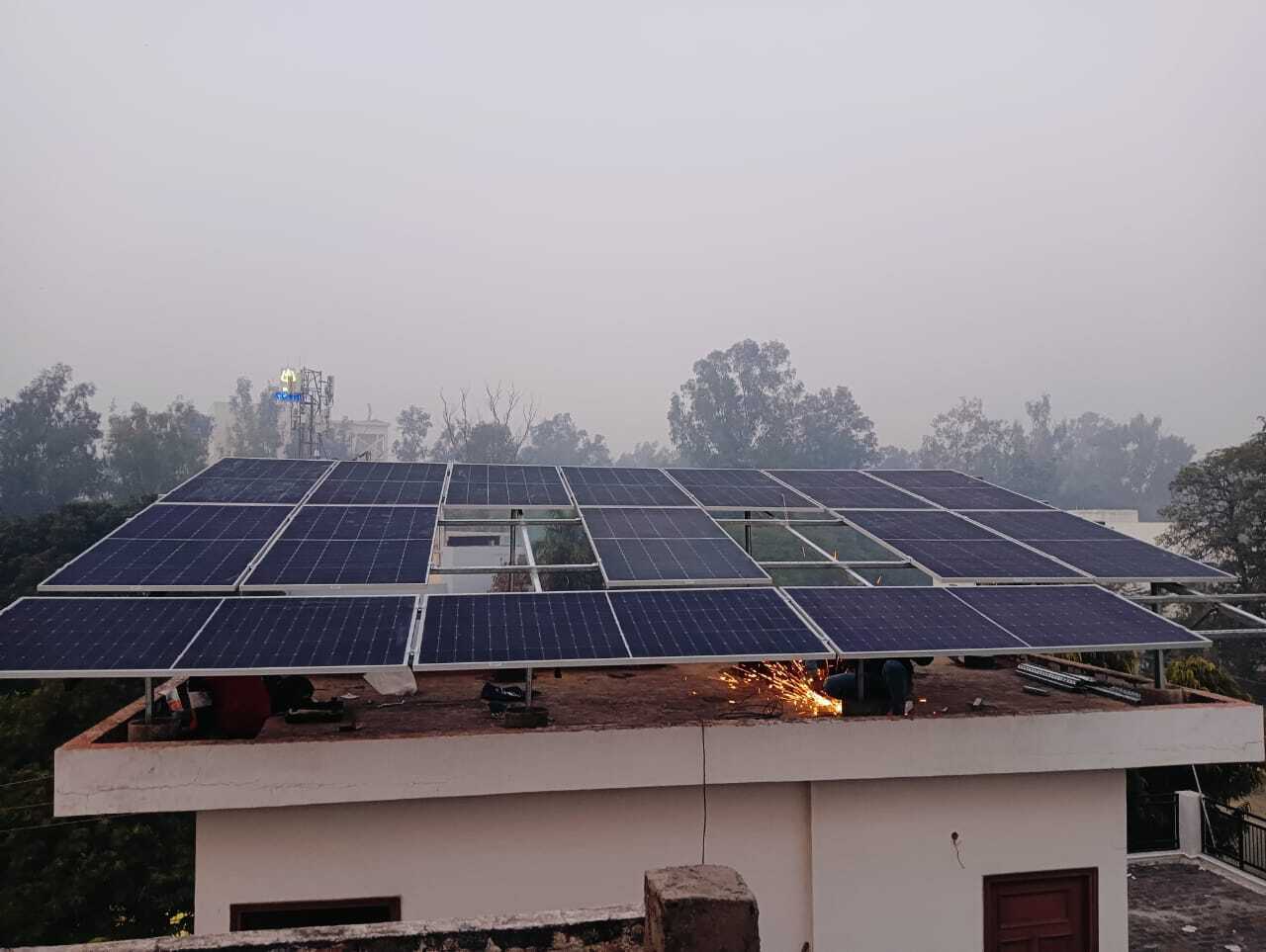
These plants sell electricity directly to DISCOMs or bulk consumers under long-term Power Purchase Agreements. They are usually developed on large land parcels outside dense urban zones.
Captive Solar Power Plants
Industries invest in solar power plants in Gurgaon to meet their own energy needs. This helps reduce dependency on grid electricity and protects against tariff hikes.
Group Captive Solar Projects
Multiple industries jointly invest in a single large scale solar project. This model lowers capital burden while ensuring access to clean energy.
Third-Party Solar Projects
A developer installs and owns the plant while industries purchase power at a fixed rate. This option requires no upfront investment from the consumer.
Land Requirements for Large Scale Solar Projects
Land is one of the most critical factors in solar development.
Typical land requirement is around:
-
4 to 5 acres per MW for fixed-tilt systems
-
3.5 to 4 acres per MW for tracker-based systems
For solar power plants in Gurgaon, developers often look at land near Sohna, Pataudi, Manesar, and Rewari corridors due to availability and grid access.
Land should be:
-
Non-agricultural or legally convertible
-
Free from disputes
-
Close to transmission infrastructure
-
Accessible by road for construction and maintenance
Technology Used in Large Scale Solar Projects
Solar Modules
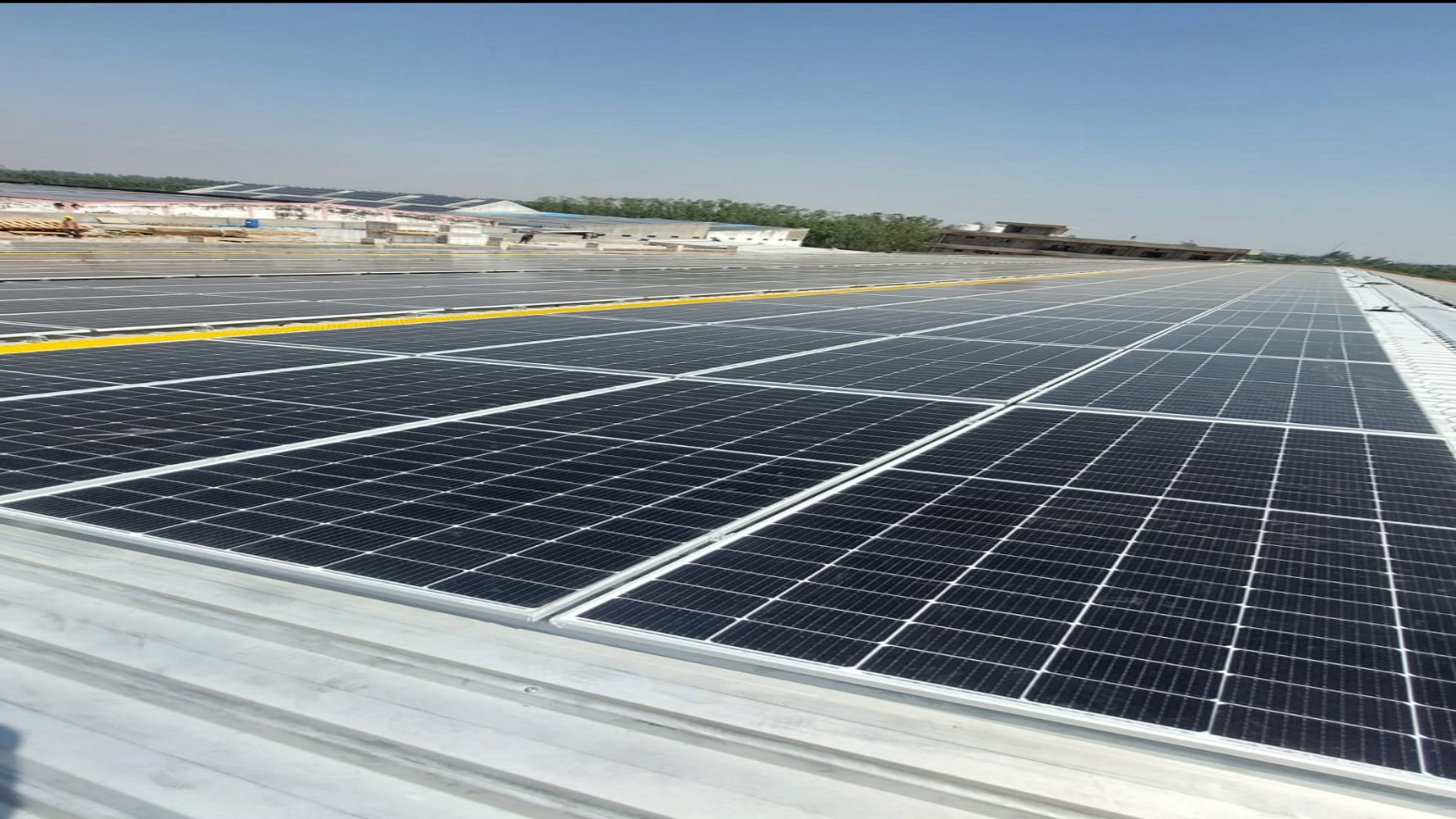
Most large scale solar projects Gurgaon use high-efficiency mono PERC or TOPCon modules. Bifacial modules are also becoming popular due to higher energy yield.
Inverters
Central inverters and string inverters are selected based on plant size and design. Large projects often use central inverters for ease of maintenance.
Mounting Structures
Options include fixed-tilt structures and single-axis trackers. Trackers increase generation but add to project cost.
Monitoring Systems
SCADA-based monitoring ensures real-time performance tracking, fault detection, and data-driven optimization.
EPC Process for Large Scale Solar Projects
The EPC process defines the success of a project. Reliable solar EPC companies Gurgaon follow a structured approach.
Site Assessment and Feasibility
This includes solar resource analysis, land survey, grid study, and financial modeling.
Engineering and Design
Detailed layouts, electrical design, and structural calculations are prepared to optimize generation and safety.
Procurement
Quality modules, inverters, and BOS components are sourced from approved manufacturers.
Construction and Installation
Civil works, structure installation, module mounting, and electrical work are executed as per standards.
Testing and Commissioning
Performance tests and safety checks are conducted before grid synchronization.
Approvals and Regulatory Requirements
Large scale solar projects require multiple approvals:
-
Land use conversion approval
-
Grid connectivity approval
-
Open access permission for captive or third-party sale
-
Environmental and local authority clearances
In Gurgaon, coordination with state DISCOMs and renewable energy agencies is essential to avoid delays.
Cost of Large Scale Solar Projects in Gurgaon
The cost depends on technology, capacity, and land conditions.
Approximate cost range:
While initial investment is high, operational costs are low. Most projects recover costs within 4 to 6 years depending on power tariffs and usage.
Financial Benefits and ROI
Large scale solar projects Gurgaon offer strong financial returns.
Key benefits include:
-
Electricity cost savings of 30 to 60 percent
-
Long-term tariff stability
-
Accelerated depreciation benefits
-
Improved ESG and sustainability ratings
Industries using captive solar often achieve IRRs between 14 and 18 percent.
Challenges in Large Scale Solar Projects
Despite the advantages, developers face challenges such as:
-
Land acquisition issues
-
Grid congestion and evacuation delays
-
Policy changes affecting open access
-
Initial capital requirement
Choosing experienced solar EPC companies Gurgaon helps mitigate most of these risks.
Future of Large Scale Solar Projects in Gurgaon
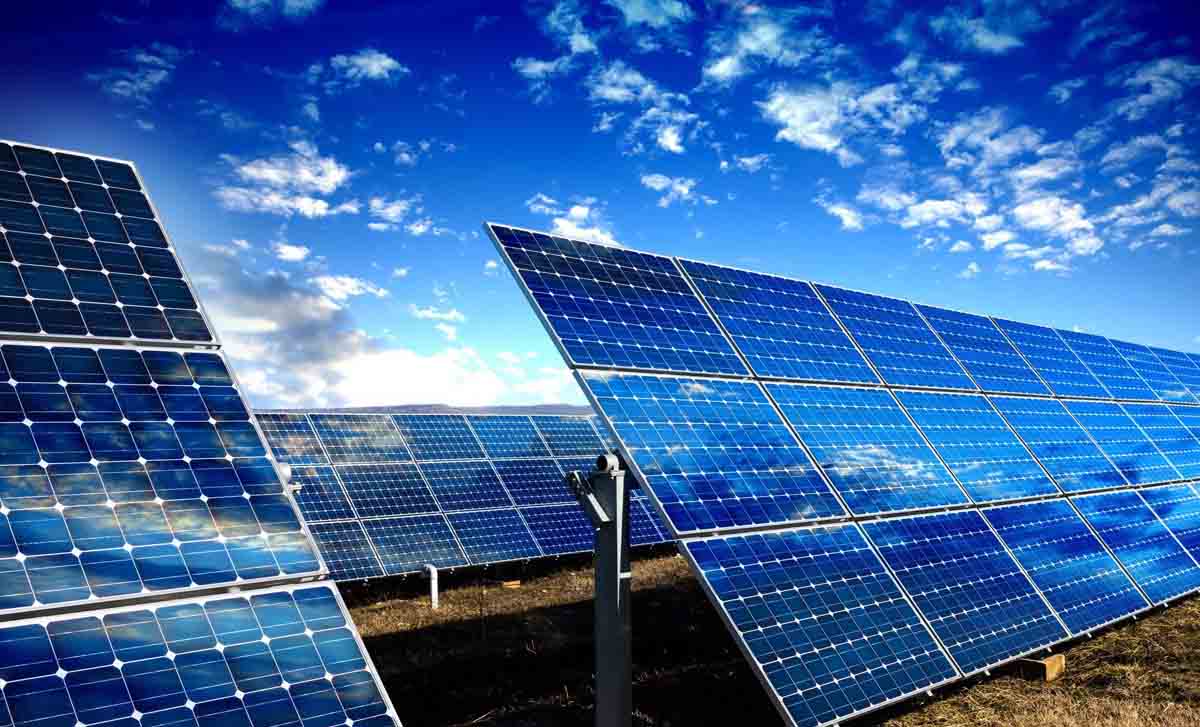
With rising power demand and stricter sustainability norms, utility scale solar power Gurgaon will continue to expand. Hybrid projects combining solar with storage are expected to gain momentum.
Corporate PPAs and green energy mandates will further drive adoption, making Gurgaon a key solar market in North India.
FAQs
1. What is the minimum capacity for large scale solar projects in Gurgaon?
Large scale projects usually start from 1 MW, though some developers consider 500 kW as the lower limit depending on land and grid access.
2. How much land is needed for a 5 MW solar power plant in Gurgaon?
A 5 MW plant typically requires 20 to 25 acres depending on technology and layout.
3. Are large scale solar projects profitable in Gurgaon?
Yes. Due to high electricity tariffs and strong solar resources, these projects offer attractive long-term returns.
4. Can industries install captive solar power plants in Gurgaon?
Yes. Captive and group captive solar projects are widely used by industries to reduce energy costs.
5. How long does it take to complete a large scale solar project?
From approvals to commissioning, it usually takes 6 to 9 months for a well-managed project.
6. Do solar power plants in Gurgaon need battery storage?
Battery storage is not mandatory but is becoming popular for load balancing and backup.
7. What role do solar EPC companies Gurgaon play?
They handle end-to-end execution including design, procurement, construction, and commissioning.
8. Is government subsidy available for large scale solar projects?
Direct subsidies are limited, but tax benefits and policy incentives are available.
Conclusion
Large scale solar projects Gurgaon represent a smart and future-ready investment. With rising energy costs and growing environmental responsibility, utility-scale solar power is no longer optional for industries and developers. Gurgaon’s infrastructure, demand profile, and policy environment make it one of the best locations for solar power plants in North India.
By partnering with experienced solar EPC companies Gurgaon and planning approvals carefully, businesses can secure clean, affordable power for decades while contributing to a sustainable energy future.