
Thin Film Solar Panels are becoming an interesting option for applications where conventional solar modules may not always be the most practical choice. Unlike traditional crystalline panels, thin film technology uses extremely thin layers of photovoltaic material deposited onto a supporting surface. This allows manufacturers to create lightweight and versatile solar modules for a range of applications.
As solar adoption continues to grow, businesses and property owners are looking beyond standard installations. Factors such as available space, roof structure, appearance, weight and installation requirements can influence the choice of solar technology. This is where thin film solar technology can offer an alternative approach.
For businesses and property owners exploring Thin Film Solar Panels in Gurgaon, understanding how this technology works and where it fits is the first step toward a well-informed decision.
What Are Thin Film Solar Panels?
Thin Film Solar Panels are photovoltaic modules manufactured by placing one or more thin layers of semiconductor material onto a substrate. Depending on the technology, these layers may use materials such as amorphous silicon, cadmium telluride or copper indium gallium selenide.
Because the photovoltaic layer is much thinner than the semiconductor material used in conventional crystalline modules, the resulting panel can be lighter and more adaptable.
The exact performance of a thin film module depends on its technology, design, installation conditions and operating environment. Therefore, choosing a panel should involve more than simply comparing its rated capacity.
How Does Thin-Film Solar Technology Work?
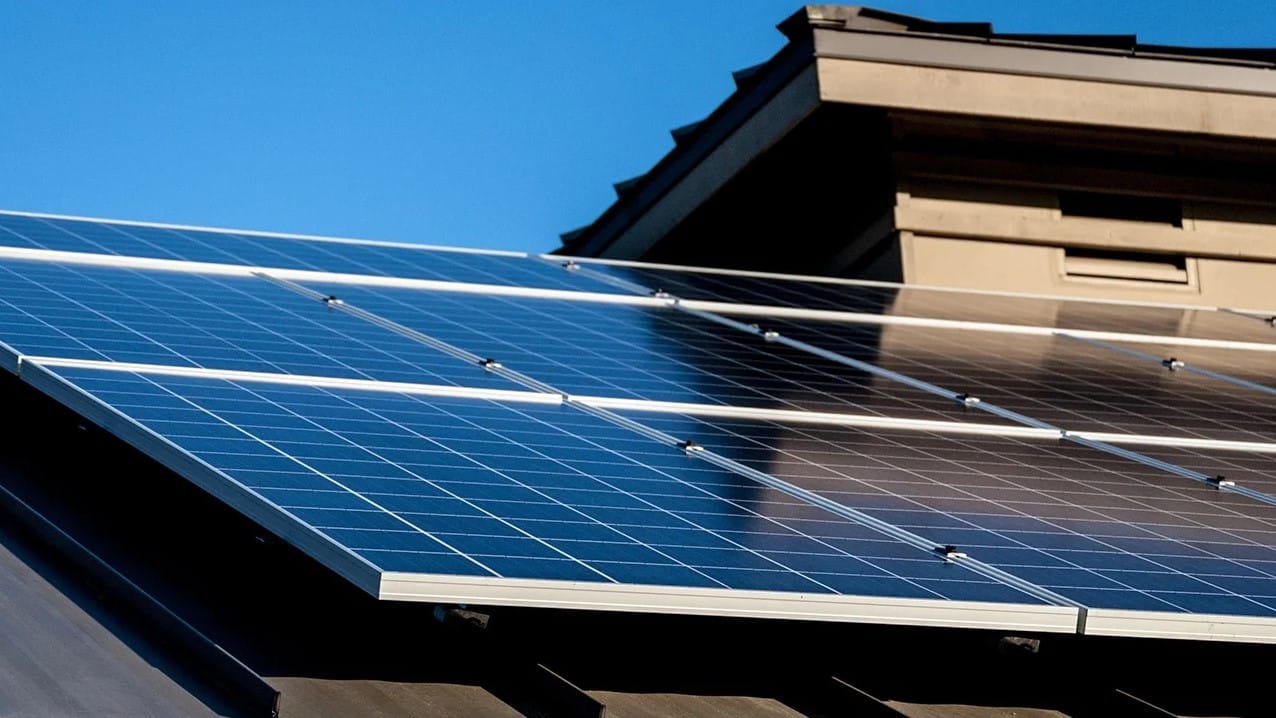
The basic principle remains similar to other photovoltaic technologies. When sunlight reaches the semiconductor layer, photons transfer energy to electrons, creating an electrical current.
The generated electricity is initially produced as direct current (DC). An inverter can then convert it into alternating current (AC) for use by homes, commercial buildings or other electrical loads.
The overall performance of a solar power system depends on several factors, including sunlight availability, module characteristics, system design, inverter performance, orientation, shading and maintenance.
Key Benefits of Thin-Film Solar Panels
1. Lightweight Construction
One of the notable advantages of thin film modules is their relatively lightweight construction. This can be useful for structures where reducing additional load is an important consideration.
2. Flexible Design Possibilities
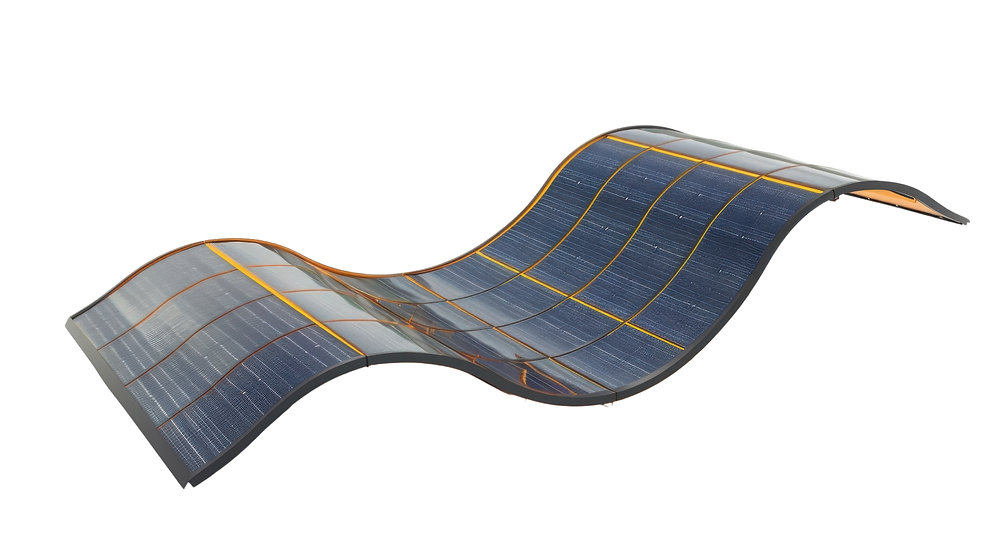
Certain thin film products can be manufactured in flexible formats. This makes Flexible Solar Panels suitable for selected surfaces and applications where rigid conventional modules may be difficult to install.
3. Good Performance in Certain Conditions
Thin-film technology can perform differently from crystalline modules under varying light and temperature conditions. Some thin-film technologies are designed to maintain useful output under diffuse or lower-light conditions.
However, actual performance varies considerably between technologies and products, so project-specific technical evaluation remains important.
4. Architectural Applications
For projects where appearance, weight or unusual installation surfaces matter, thin-film technology can provide additional design possibilities. This can make it worth considering for specialised commercial, architectural and industrial applications.
Thin-Film vs Traditional Solar Panels
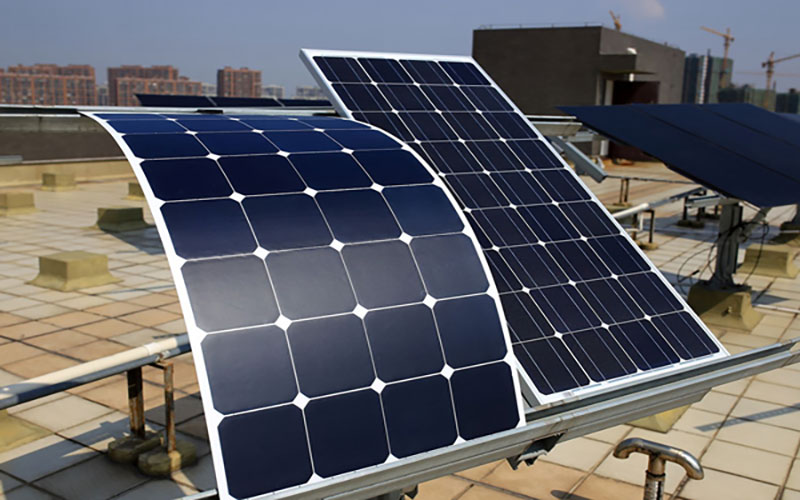
When comparing solar technologies, there is no single factor that determines suitability.
Crystalline solar panels generally offer higher efficiency per unit of area, which can be important when available installation space is limited. Thin-film modules, on the other hand, may provide advantages in weight, form factor and certain operating conditions.
Solar Panel Efficiency should therefore be considered alongside available space, project requirements, structural limitations, climate and the expected energy output.
A professional solar assessment can help determine whether thin-film or another photovoltaic technology fits the project more appropriately.
Where Can Thin-Film Solar Panels Be Used?
Thin-film modules can be considered for a variety of applications, depending on the specific product and project requirements.
Potential applications include:
- Commercial and industrial buildings
- Large-area installations
- Lightweight rooftop applications
- Specialised architectural projects
- Portable or mobile solar applications
- Selected curved or unconventional surfaces
- Projects requiring particular aesthetic considerations
The suitability of each application depends on the product specifications, installation environment and energy requirements.
Proper Thin-Film Solar Panels Installation in Gurgaon depends on reviewing the surface, load, orientation and local conditions before a product is selected.
Are Thin-Film Solar Panels Worth Considering?
For some projects, yes. Thin-film technology can be particularly relevant when conventional module weight, shape or installation limitations create challenges.
However, choosing solar equipment should not be based on technology name alone. Factors such as lifetime energy generation, available area, installation costs, degradation, warranties, maintenance and local solar conditions should all be reviewed before making a decision.
At Dexter Energy, the focus should be on matching the solar solution with the actual requirements of the project rather than selecting equipment based only on specifications.
This approach is equally important for anyone comparing a Thin-Film Solar Panels Company in Gurgaon, as the right recommendation should suit the site, the application and the budget.
Frequently Asked Questions
- What are Thin-Film Solar Panels?
Thin-Film Solar Panels are photovoltaic modules made using very thin semiconductor layers deposited onto a supporting material. They can offer lightweight and flexible design options.
- Are Thin-Film Solar Panels efficient?
Their efficiency varies according to the specific thin-film technology and product. Many crystalline modules currently achieve higher rated efficiency, but efficiency is only one factor when selecting a solar system.
- Are thin-film panels flexible?
Some thin-film products are available in flexible formats, although flexibility depends on the specific construction and manufacturer.
- Do thin-film panels work in cloudy weather?
Solar panels can generate electricity under cloudy conditions, although output is generally lower than during strong direct sunlight. Actual performance depends on the technology and weather conditions.
- How long do Thin-Film Solar Panels last?
The service life varies by technology and manufacturer. Warranty terms, degradation rates and product specifications should be checked before installation.
- Are thin-film panels suitable for commercial projects?
They can be suitable for selected commercial applications, particularly where weight, installation format or architectural considerations are important.
- What affects solar panel performance?
Sunlight, shading, temperature, orientation, installation quality, inverter performance, system design and panel characteristics can all influence energy production.
- Should I choose thin-film or crystalline solar panels?
The appropriate choice depends on the project’s available space, structural requirements, budget, expected energy generation and installation conditions. A technical assessment is recommended before selecting the technology.
Conclusion
Thin-Film Solar Panels offer an alternative approach to conventional photovoltaic modules, particularly for projects where weight, flexibility, appearance or installation conditions are important. While they may not provide the highest efficiency in every situation, their design characteristics can make them useful for specific solar applications.
The right solar solution ultimately depends on the project rather than a single panel specification. Evaluating energy requirements, installation conditions, available space and long-term performance can help create a more suitable Solar Power System.
Whether you are considering Thin Film Solar Panels in Gurgaon or comparing options from a Thin Film Solar Panels Company in Gurgaon, a site-specific evaluation remains the best starting point for Thin Film Solar Panels Installation in Gurgaon.
Choose the Right Solar Solution with Dexter Energy
Looking for a solar solution suited to your residential, commercial or industrial requirements? Dexter Energy can help you evaluate the available options and identify a system based on your project’s specific needs.
Contact Dexter Energy today to discuss your solar project and explore suitable Solar Energy Solutions.