Choosing the right solar panel is one of the most important decisions when planning a solar power system. With several Types of Solar Panels in India available today, homeowners, businesses, and industrial users often find it difficult to understand which technology is actually suitable for their needs. The right choice depends on factors such as available roof space, electricity consumption, budget, efficiency requirements, and installation conditions.
At Dexter Energy, understanding these differences can help customers make a more informed decision before investing in a solar power system.
What Are the Main Types of Solar Panels in India?
Solar panels are generally classified according to the photovoltaic cell technology used to convert sunlight into electricity. The most common options include monocrystalline, polycrystalline, thin-film, and newer bifacial panels.
Each type has its own strengths and limitations. There is no single panel that is perfect for every property or application.
1. Monocrystalline Solar Panels
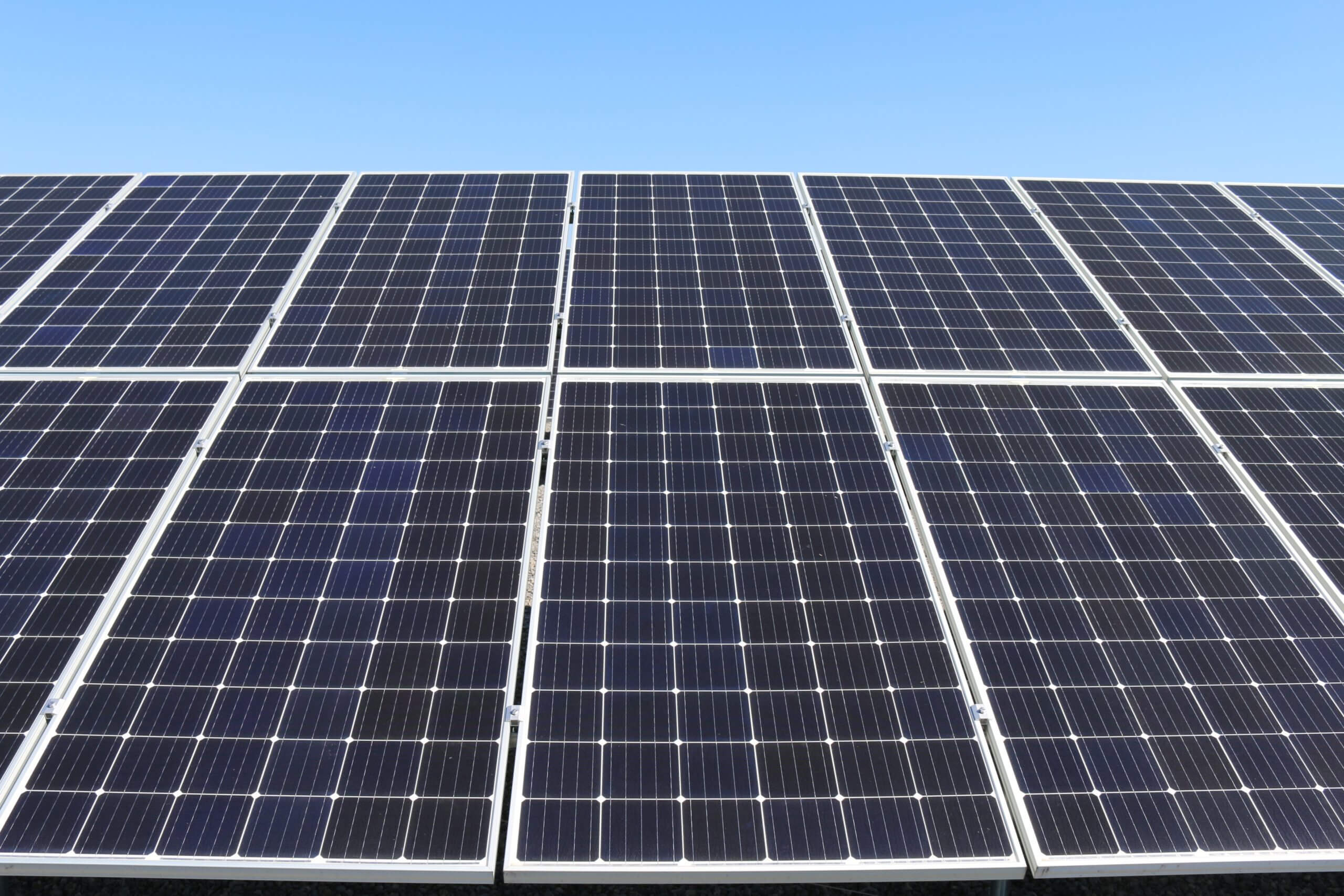
Monocrystalline solar panels are widely used for residential, commercial, and industrial solar installations. They are made using monocrystalline silicon cells, which gives them a uniform appearance and generally allows them to achieve high efficiency.
One of their biggest advantages is their ability to produce more electricity from a relatively limited area. This makes them particularly useful where roof space is restricted.
Monocrystalline panels also tend to perform well in modern rooftop solar installations where customers want to maximise energy generation from the available area.
However, they can have a higher initial cost compared with some other panel technologies. For many users, the additional investment can make sense when space and long-term energy generation are important considerations.
2. Polycrystalline Solar Panels
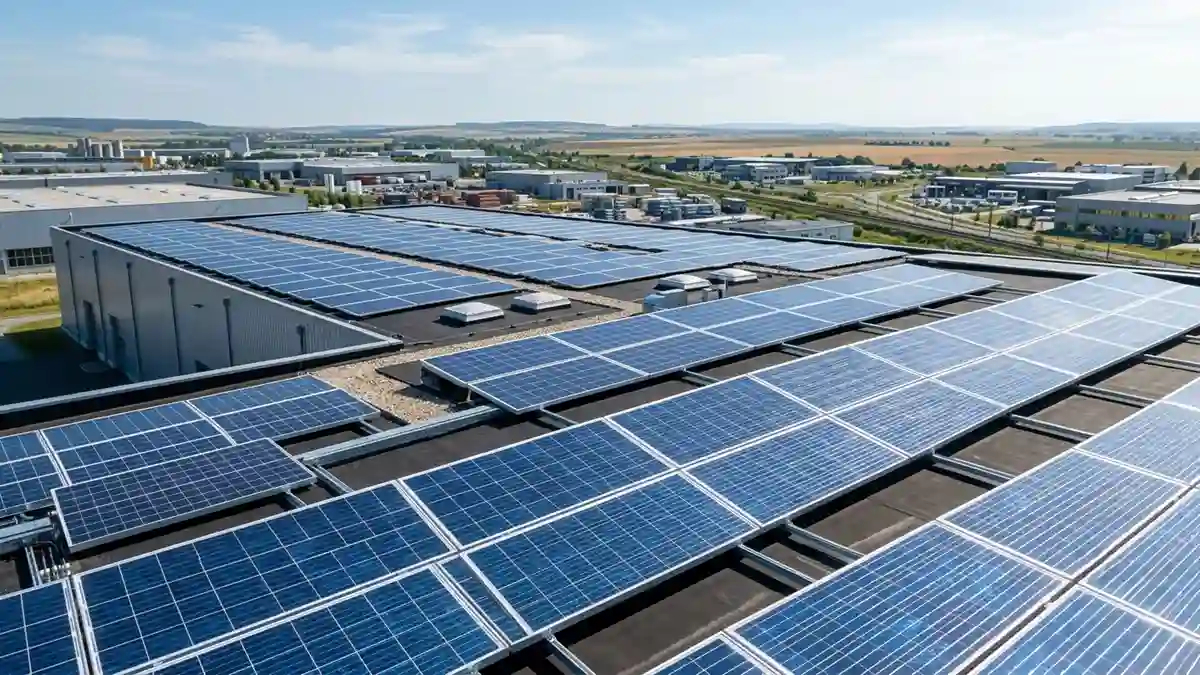
Polycrystalline solar panels were traditionally a popular choice because of their comparatively lower manufacturing cost. They are made by using multiple silicon crystals rather than a single crystal structure.
These panels can be suitable for installations where sufficient roof or ground space is available and achieving the highest possible efficiency is not the only priority.
Although newer technologies have become increasingly popular, polycrystalline panels remain relevant in certain solar projects. The final decision should consider the panel’s specifications, available installation area, project budget, and expected electricity consumption.
3. Thin-Film Solar Panels
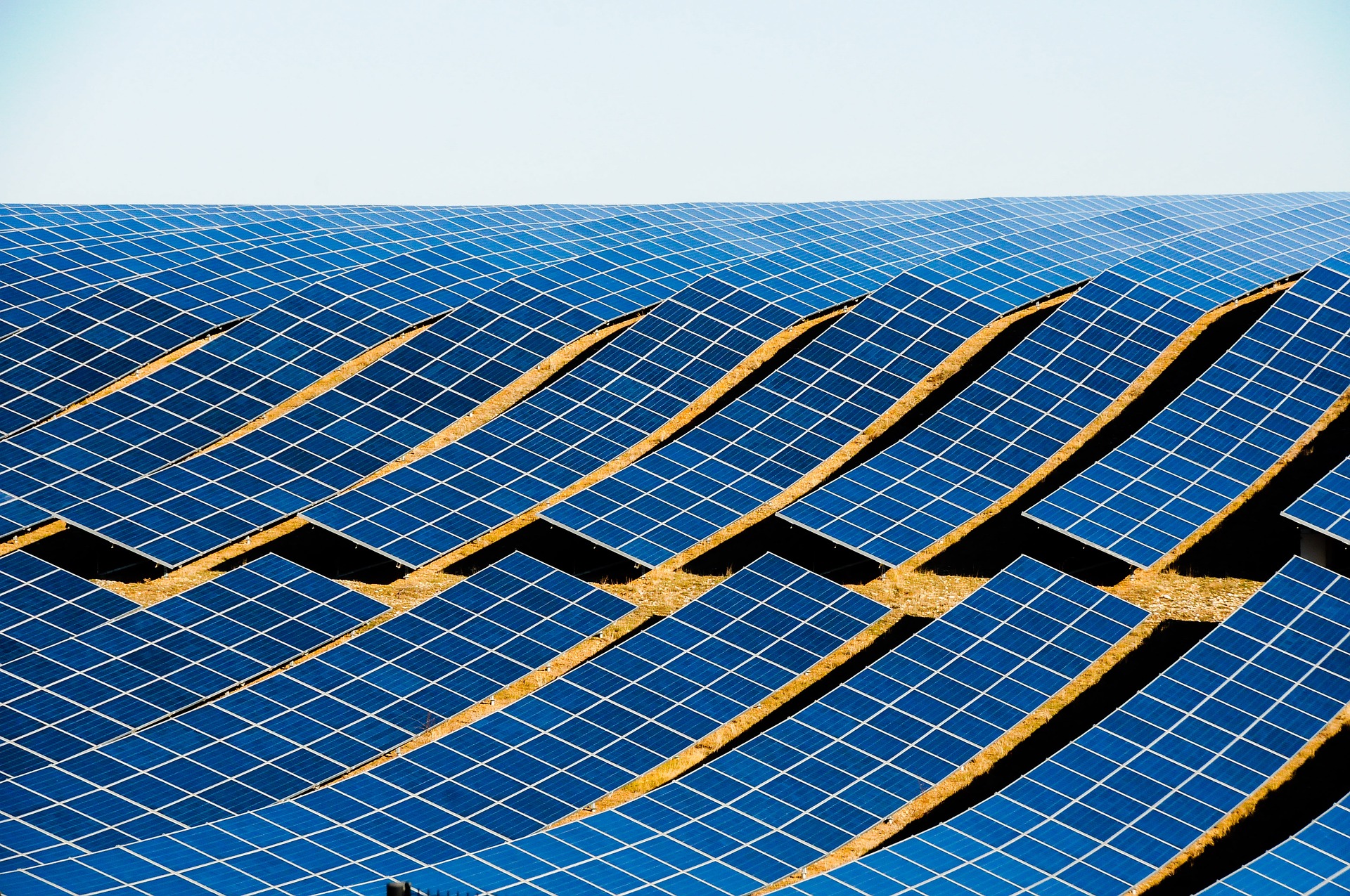
Thin-film technology uses very thin layers of photovoltaic material deposited onto a suitable surface. Unlike conventional crystalline panels, thin-film panels can have different physical characteristics and may be useful for specialised applications.
Their lower weight and flexibility in certain applications can be beneficial where conventional solar modules are not ideal. However, thin-film panels generally require more space to produce the same amount of electricity as higher-efficiency crystalline technologies.
For this reason, they are more commonly considered for specific commercial, architectural, or large-area applications rather than being the default choice for every rooftop.
4. Bifacial Solar Panels
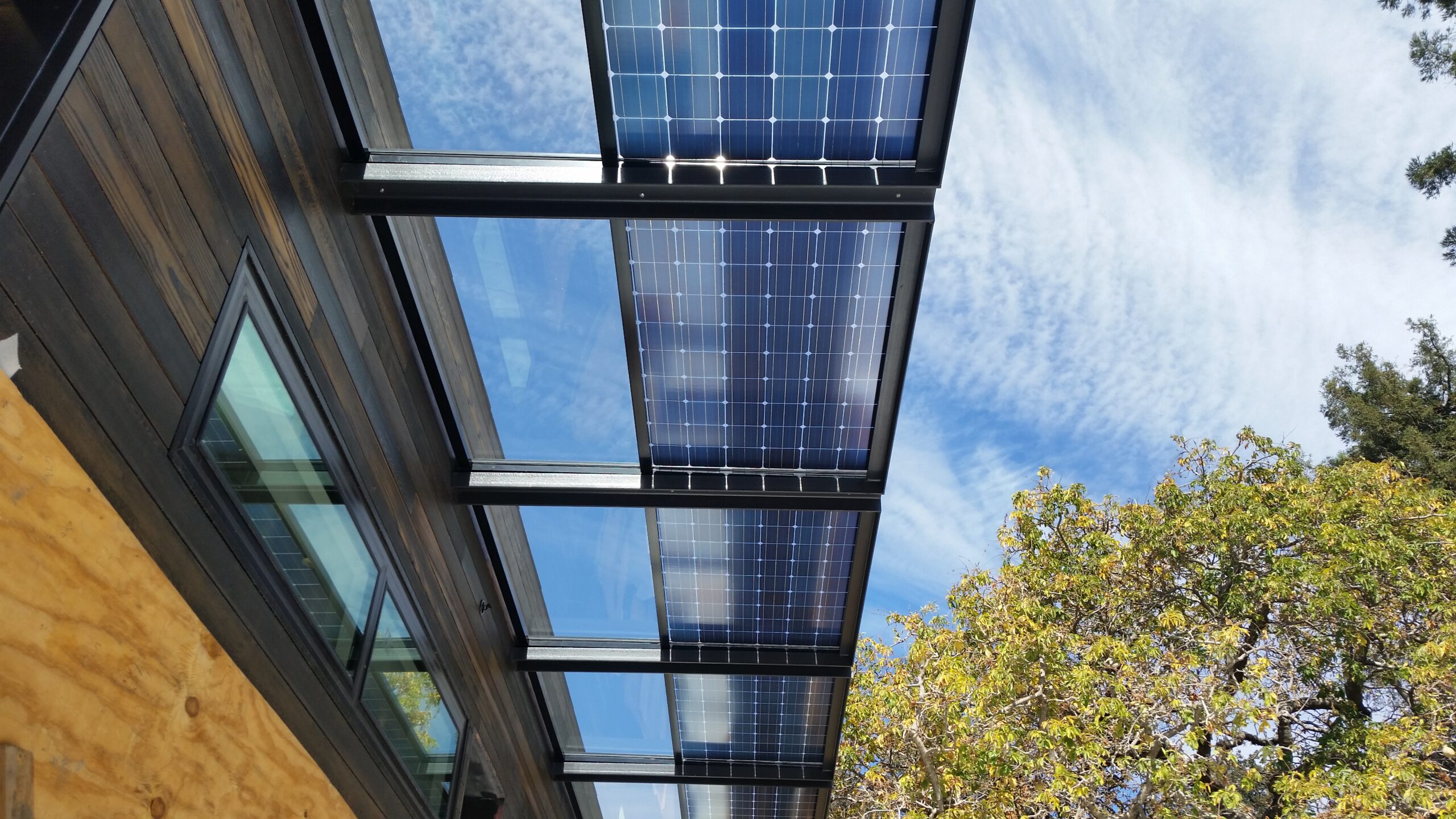
Bifacial solar panels are designed to generate electricity from both the front and rear sides of the module. The rear side can capture reflected sunlight from surrounding surfaces, potentially increasing overall energy generation.
Their performance depends heavily on the installation environment. Ground-mounted systems, reflective surfaces, appropriate mounting structures, and sufficient clearance behind the panels can help make better use of their rear-side generation capability.
Bifacial technology is becoming increasingly relevant for commercial and utility-scale projects where system design can be optimised around the characteristics of these modules.
How Does Solar Panel Efficiency Matter?
Solar panel efficiency indicates how effectively a panel converts available sunlight into electrical energy. A higher-efficiency panel can generate more electricity from the same physical area, which can be particularly valuable for rooftops with limited space.
However, efficiency should not be the only factor considered. Module warranty, degradation rate, temperature performance, installation quality, inverter selection, roof orientation, shading, and overall system design can also influence the actual energy output.
This is why comparing panels only on their efficiency percentage may not provide the complete picture.
Which Solar Panel Is Right for Your Property?
The best option depends on your individual project rather than simply choosing the newest technology.
For a residential rooftop with limited space, monocrystalline modules may be worth considering because of their high efficiency. Larger commercial or industrial projects may have more flexibility in selecting between different technologies depending on available space and project economics.
Bifacial modules can be considered where the installation structure and surrounding environment allow useful rear-side light exposure. Thin-film technology may make sense for particular applications where its physical characteristics provide an advantage.
Before making a decision, it is sensible to evaluate your electricity consumption, roof area, shading conditions, budget, expected generation, and future energy requirements.
Why Professional Solar Installation Matters
Even high-quality panels cannot deliver their expected performance if the overall solar system is poorly designed or installed.
A professional solar company can assess the site, calculate the required system capacity, recommend suitable modules and inverters, design the mounting arrangement, and ensure that the installation is properly planned.
Dexter Energy focuses on providing solar solutions based on the specific requirements of each project rather than treating every installation in the same way.
Frequently Asked Questions
1. What are the main types of solar panels in India?
The major types include monocrystalline, polycrystalline, thin-film, and bifacial solar panels. Each technology has different characteristics and applications.
2. Which solar panel is most suitable for a home?
For many residential rooftops, monocrystalline panels are a practical option because they generally provide high efficiency and good energy generation from limited roof space.
3. Are polycrystalline solar panels still used?
Yes. Polycrystalline panels can still be suitable for projects where installation space is sufficient and the project requirements make this technology appropriate.
4. What are bifacial solar panels?
Bifacial panels can generate electricity from both their front and rear sides. Their additional generation potential depends on factors such as mounting height, ground reflectivity, and site conditions.
5. Are thin-film solar panels suitable for rooftops?
They can be suitable for certain applications, but they generally require more area for the same electricity output compared with higher-efficiency crystalline panels.
6. Does higher solar panel efficiency always mean a better system?
Not necessarily. Efficiency is important, but factors such as warranty, degradation, shading, installation quality, inverter performance, and system design also affect overall results.
7. How long do solar panels typically last?
Modern solar modules are designed for long-term operation, with manufacturers commonly providing long performance warranties. Actual lifespan and output depend on product quality, environmental conditions, maintenance, and installation.
8. Should I choose solar panels based only on price?
No. The cheapest panel may not provide the best long-term value. It is better to consider efficiency, warranty, expected generation, product quality, installation, and the total project cost.
Conclusion
Understanding the different Types of Solar Panels in India makes it easier to select a system that matches your property and energy requirements. Monocrystalline panels can be useful where efficiency and limited space are priorities, while polycrystalline, thin-film, and bifacial technologies may suit specific applications.
The most important step is to look beyond the panel alone and consider the complete solar power system. Site conditions, system design, inverter selection, installation quality, and long-term performance all contribute to the final result.
With the right technical assessment and professional guidance, Dexter Energy can help you evaluate the available options and plan a solar solution that fits your electricity needs and project goals.