

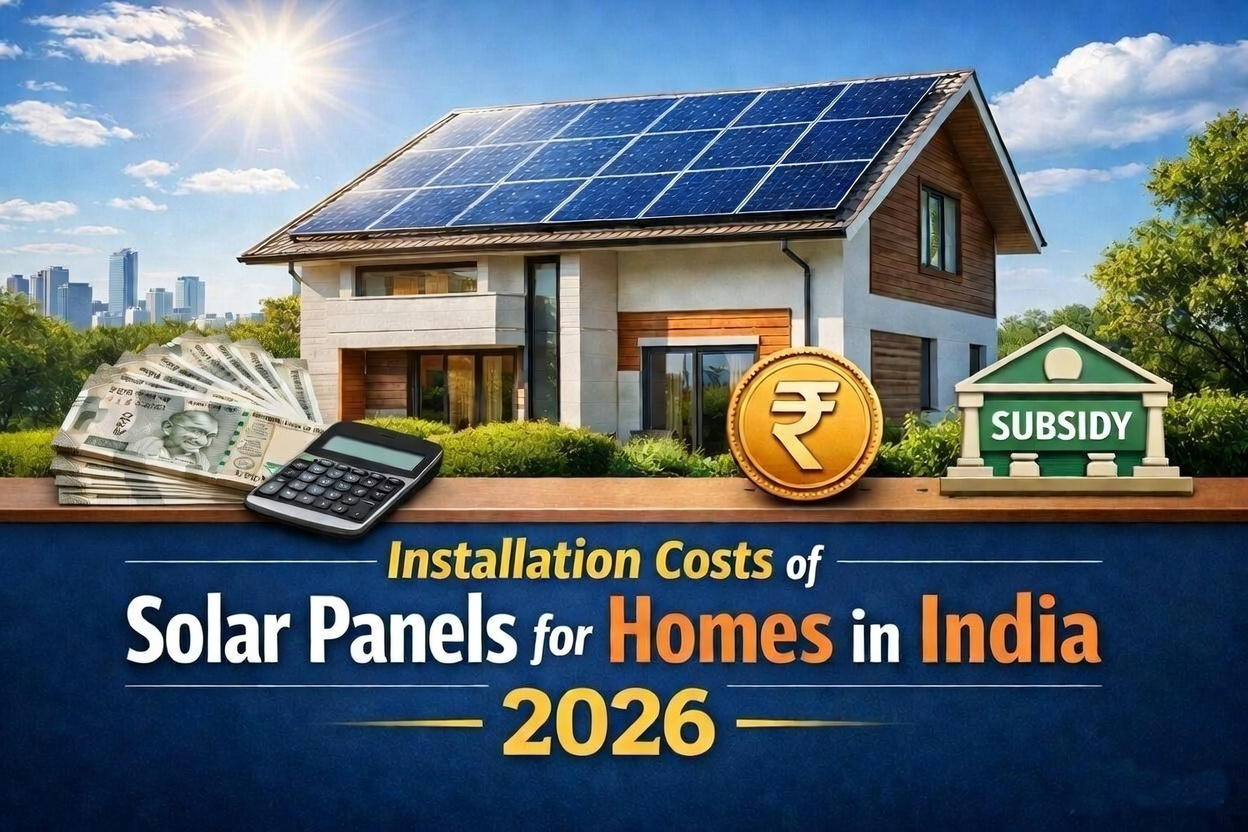
Solar Panels for Homes in India are quickly becoming one of the smartest investments for homeowners who want to reduce electricity bills and move toward clean energy. With rising power tariffs and growing awareness about sustainability, many Indian households are installing rooftop solar systems to power their homes.
In 2026, the demand for residential solar systems is expected to increase even more due to government incentives, improved solar technology, and falling equipment prices. However, before installing a solar system, homeowners want to understand the real cost, how subsidies work, and how much they can save in the long run.
This guide DexterEnergy explains everything about solar panel installation cost in India, system sizes, government subsidies, and how homeowners can benefit financially.
Why Solar Panels Are Becoming Popular in Indian Homes
Electricity prices in India have steadily increased over the past decade. For many households, monthly electricity bills have become a significant expense. This is where rooftop solar panels in India provide a practical solution.
When a solar system is installed on your roof, it generates electricity using sunlight. This electricity powers your home appliances and reduces your dependency on grid power.
There are several reasons why Solar Panels for Homes in India are gaining popularity:
-
Significant reduction in electricity bills
-
Government subsidies and incentives
-
Clean and renewable energy source
-
Low maintenance systems
-
Long lifespan of 20–25 years
Many homeowners recover their investment within a few years and enjoy nearly free electricity afterward.
Types of Solar Systems for Homes in India
Before discussing costs, it is important to understand the types of residential solar systems in India.
1. On-Grid Solar System
This is the most common system for homes.
It connects directly to the electricity grid. During the day, solar panels generate electricity, and excess power can be sent back to the grid through net metering.
Benefits:
-
Lower installation cost
-
Maximum savings on electricity bills
-
No need for batteries
2. Off-Grid Solar System
This system works independently of the grid and uses batteries to store electricity.
It is mostly used in remote areas where electricity supply is unreliable.
However, off-grid systems are more expensive due to battery costs.
3. Hybrid Solar System
A hybrid system combines the features of on-grid and off-grid systems.
It includes batteries for backup while still allowing grid connectivity.
This system is useful in areas with frequent power cuts.
Installation Cost of Solar Panels for Homes in India (2026)
The home solar system price in India depends on the size of the system, brand of panels, inverter quality, and installation charges.
Below is the approximate cost range in 2026:
| System Size | Suitable for | Approx Cost (Without Subsidy) |
|---|---|---|
| 1 kW | Small homes | ₹60,000 – ₹80,000 |
| 2 kW | 2–3 BHK homes | ₹1,20,000 – ₹1,60,000 |
| 3 kW | Medium households | ₹1,80,000 – ₹2,40,000 |
| 5 kW | Large homes | ₹3,00,000 – ₹3,80,000 |
| 10 kW | Villas / big houses | ₹5,50,000 – ₹7,00,000 |
These prices include solar panels, inverter, mounting structures, wiring, and installation.
The cost may vary depending on the city, installer experience, and equipment quality.
Government Subsidy on Solar Panels in India
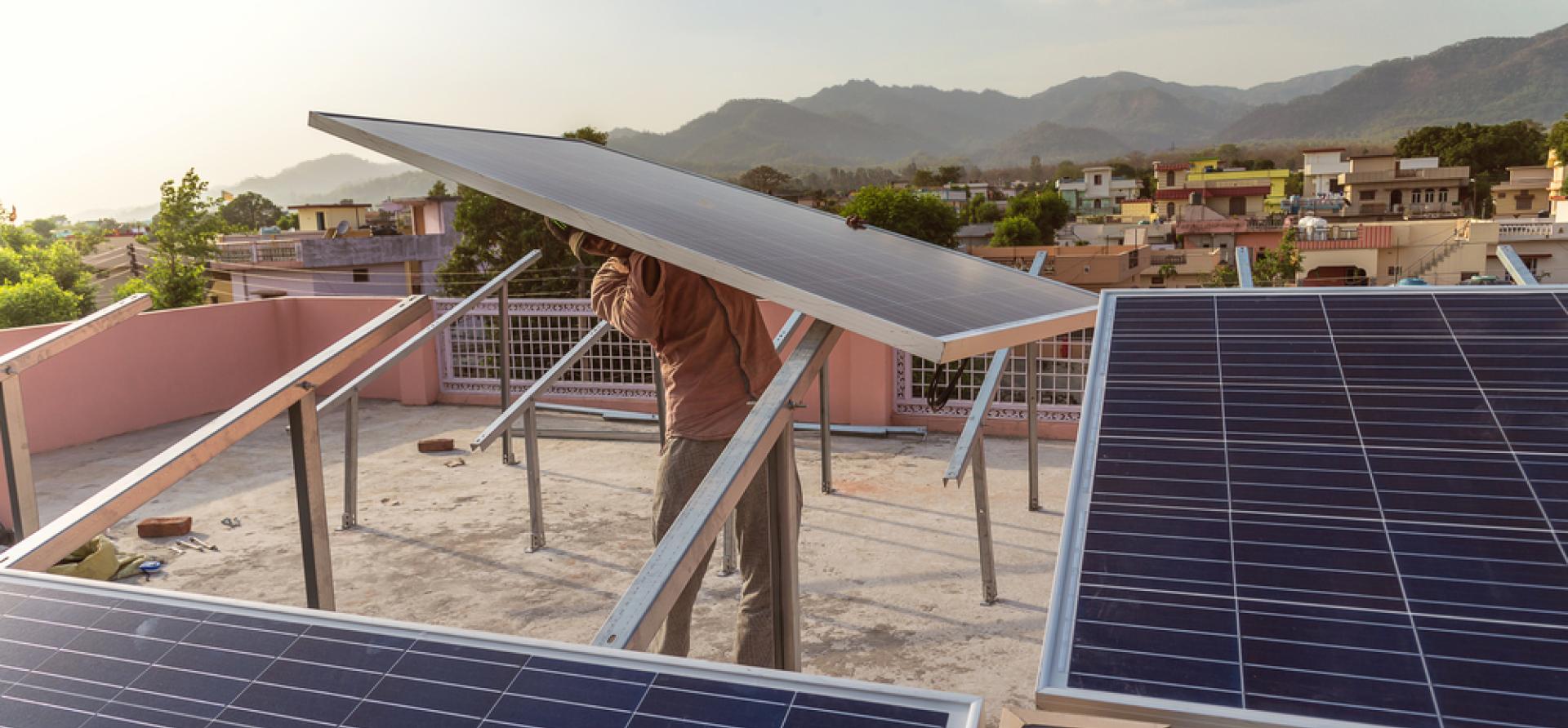
To encourage renewable energy adoption, the Indian government offers solar subsidies for residential rooftop systems.
Under the PM Surya Ghar Yojana and other government schemes, homeowners can receive subsidies based on system size.
Typical subsidy structure:
-
Up to 40% subsidy for systems up to 3 kW
-
Around 20% subsidy for systems between 3 kW and 10 kW
For example:
A 3 kW solar system costing ₹2,00,000 may receive around ₹78,000 subsidy, reducing the final cost significantly.
This makes Solar Panels for Homes in India much more affordable for middle-class families.
Factors That Affect Solar Panel Installation Cost
The total solar panel installation cost in India depends on several factors.
1. Solar Panel Type
There are three common panel types:
-
Monocrystalline (high efficiency)
-
Polycrystalline (affordable option)
-
Bifacial solar panels (latest technology)
Monocrystalline panels cost more but generate more electricity in limited roof space.
2. Inverter Quality
The inverter converts solar energy into usable electricity.
Types include:
-
String inverter
-
Micro inverter
-
Hybrid inverter
A good inverter improves system efficiency and longevity.
3. Roof Structure
Installation costs may increase depending on roof type:
-
RCC roof
-
Metal sheet roof
-
Tile roof
Some roofs require extra mounting structures.
4. Installation Company
Experienced solar installers may charge slightly more, but they ensure better design, safety, and long-term performance.
How Much Electricity Can a Home Solar System Generate?
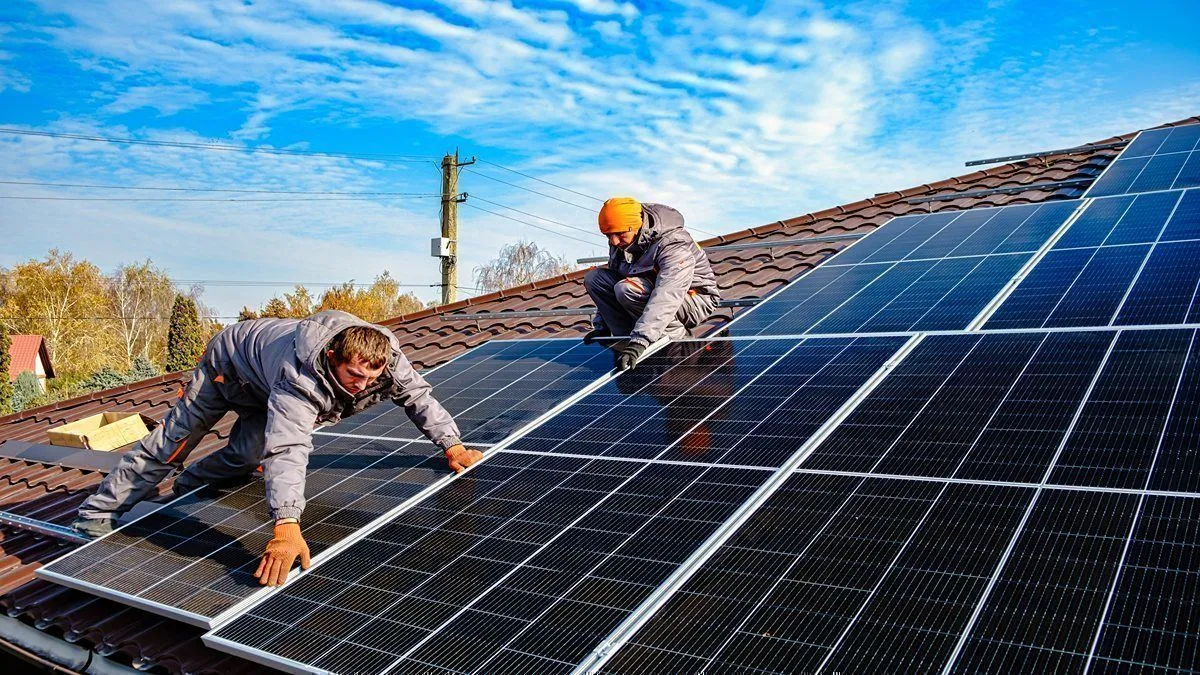
Solar power generation depends on system size and sunlight availability.
In India, on average:
-
1 kW solar system generates 4–5 units per day
Example:
| System Size | Monthly Units Generated |
|---|---|
| 1 kW | 120–150 units |
| 3 kW | 360–450 units |
| 5 kW | 600–750 units |
This electricity can significantly reduce your monthly power bill.
Savings from Solar Panels for Homes in India
One of the biggest reasons homeowners install solar systems is long-term savings.
Example calculation:
If your monthly electricity bill is ₹4,000:
-
Annual electricity cost = ₹48,000
-
Over 25 years = ₹12,00,000
A 3 kW solar system costing around ₹2 lakh can reduce most of this expense.
So over time, solar panels can save several lakhs of rupees.
Maintenance Cost of Residential Solar Systems
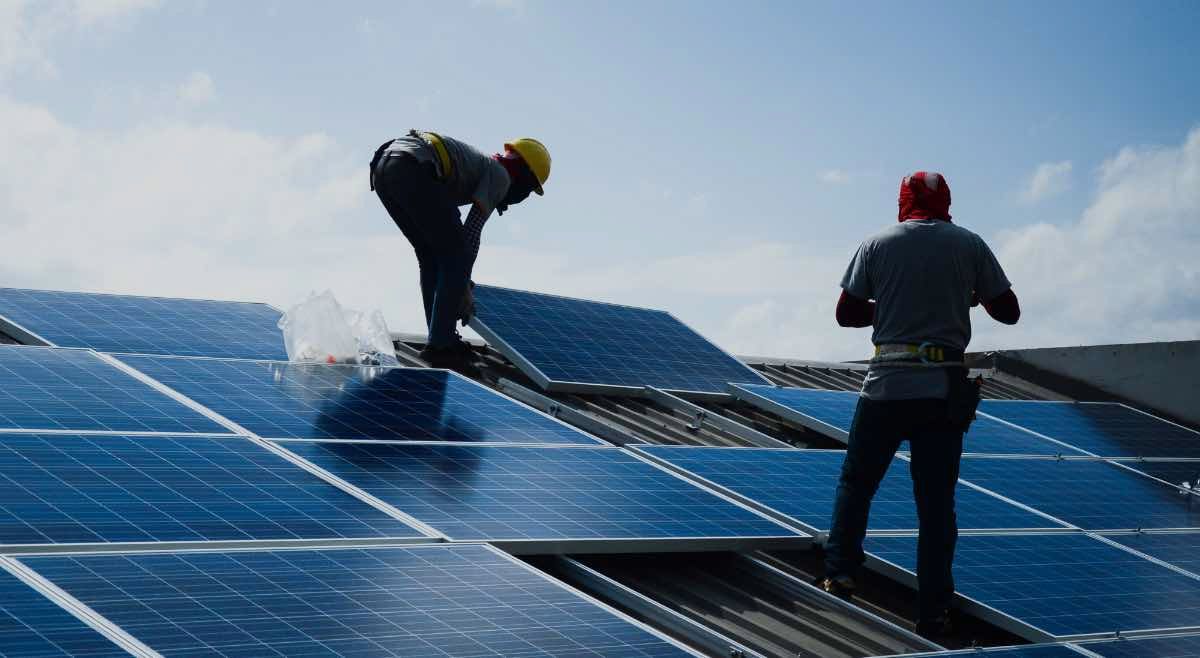
Solar systems require very little maintenance.
Basic maintenance includes:
-
Cleaning panels every 2–3 weeks
-
Checking wiring once a year
-
Inverter servicing if required
Annual maintenance cost is usually very low.
Most solar panels come with:
-
25 years performance warranty
-
10–12 years product warranty
This makes them a reliable long-term investment.
Is 2026 the Right Time to Install Solar Panels?
Yes, 2026 is actually a great time to install Solar Panels for Homes in India.
Reasons include:
-
Government subsidies are still available
-
Solar technology has become more efficient
-
Installation prices have reduced compared to previous years
-
Electricity prices are rising
The earlier you install a solar system, the sooner you start saving money.
Frequently Asked Questions (FAQs)
1. How much does it cost to install solar panels for homes in India?
The cost usually ranges from ₹60,000 to ₹70,000 per kW before subsidy. A typical 3 kW system may cost around ₹1.8–2.4 lakh.
2. How much subsidy is available for residential solar systems?
Homeowners can receive up to 40% subsidy for systems up to 3 kW under government schemes.
3. How long do solar panels last?
Most solar panels last 25 years or more, making them a long-term energy solution.
4. Can solar panels run all appliances in a house?
Yes. A properly sized solar system can power lights, fans, refrigerators, TVs, and even air conditioners.
5. Do solar panels work during cloudy weather?
Yes, solar panels still generate electricity during cloudy conditions, although the output may be lower.
6. How much roof space is needed for solar panels?
Typically, 1 kW solar system requires about 100 square feet of roof space.
7. Is net metering available in India?
Yes, many states in India offer net metering, allowing homeowners to send extra electricity back to the grid.
8. What maintenance do solar panels require?
They mainly require periodic cleaning and occasional inspection to maintain efficiency.
Conclusion
Installing Solar Panels for Homes in India is one of the best long-term investments homeowners can make in 2026. With rising electricity costs and strong government support through subsidies, residential solar systems are now more affordable than ever.
A properly installed rooftop solar system can reduce electricity bills by up to 80–90%, provide energy independence, and contribute to a cleaner environment. While the initial installation cost may seem high, the long-term savings and environmental benefits make solar energy a smart and future-proof choice for Indian households.
As solar technology continues to improve and awareness grows, more families across India are expected to adopt solar power and move toward sustainable living.