
The demand for clean and reliable energy has pushed businesses, industries and governments to adopt large-scale solar systems. Among the many approaches to installing a solar project, the Solar Power Plant EPC model has become the most popular because it allows investors and developers to hand over the entire project to a single expert team. A professional EPC solar company manages design, procurement and construction while ensuring timelines, compliance and performance guarantees.
This detailed guide breaks down everything you need to know about Solar Power Plant EPC, including the step-by-step process, advantages, technical components, project timelines, cost considerations, selection criteria for solar EPC contractors, and much more.
What Is Solar Power Plant EPC?
The term Solar Power Plant EPC stands for Engineering, Procurement and Construction. It refers to a project delivery mechanism where a single contractor handles the entire lifecycle of a solar plant installation. Instead of coordinating separate designers, suppliers and builders, investors hire solar EPC contractors who deliver a complete, ready-to-operate solar power plant.
The EPC company is responsible for:
-
Designing the solar system
-
Procuring components such as solar panels, inverters, structures
-
Constructing and commissioning the power plant
-
Ensuring performance guarantees
-
Meeting deadlines and regulatory standards
In large projects—especially utility-scale solar installation—this model reduces risk, ensures consistent quality, and speeds up execution.
Why EPC Is Critical for Large-Scale Solar Projects
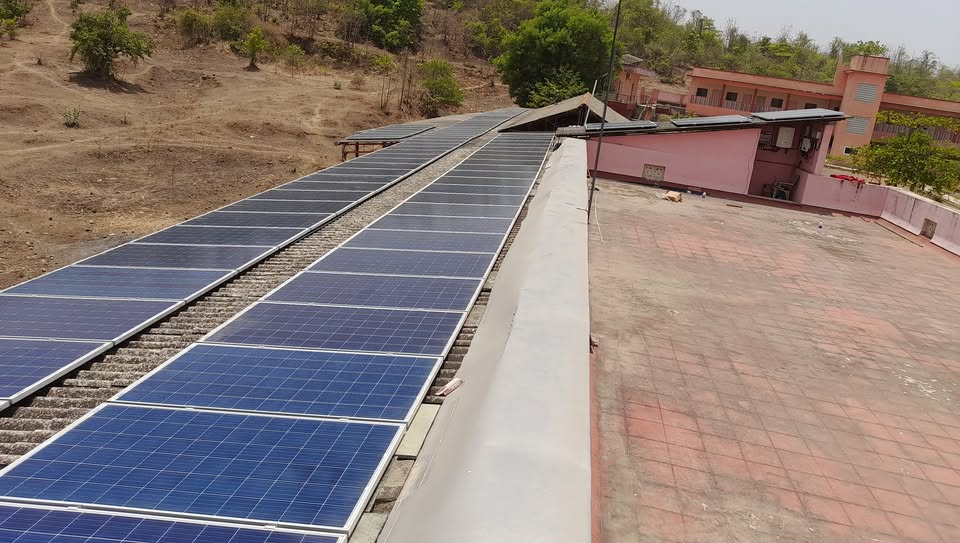
EPC is the backbone of large solar installations because of the massive coordination required between engineering teams, suppliers, civil contractors, electrical experts, regulatory authorities and monitoring specialists. A reliable solar EPC company brings all these functions under one umbrella.
Key Reasons Why Solar Power Plant EPC Matters
1. Streamlined Execution
A dedicated EPC contractor ensures smooth integration of design, procurement and field work. This cuts delays and minimizes communication gaps.
2. Quality Assurance
EPC companies typically maintain strict standards for components like panels, inverters, mounting structures, and cables. This directly affects plant performance and return on investment.
3. Compliance and Safety
Solar plants must follow electrical codes, safety norms and state-wise solar regulations. Experienced EPC providers manage all approvals and compliance processes.
4. Cost Optimization
EPC solar companies have strong vendor networks, allowing them to procure components at competitive prices.
5. Performance Guarantee
Most EPC contracts include:
-
Generation assurance
-
Warranty management
-
O&M support
-
Remote monitoring
This makes the investment more secure for developers and industries.
Core Components of a Solar Power Plant EPC Project
Every solar plant is built with several engineering and operational components. Understanding them helps investors evaluate EPC proposals better.
1. Solar Panels
Panels generate electricity from sunlight and are available as:
-
Mono PERC
-
Bifacial modules
-
Thin-film
-
TopCon panels
A good solar EPC contractor chooses panels based on site radiation, budget and long-term efficiency.
2. Inverters
Inverters convert DC to AC power. Options include:
-
String inverters
-
Central inverters
-
Hybrid inverters
Utility-scale solar installation often uses central inverters due to efficiency and lower cost per watt.
3. Module Mounting Structure (MMS)
Structures hold the panels securely and come in:
-
Fixed-tilt structures
-
Single-axis trackers
-
Seasonal tilt structures
Tracker systems increase generation but cost more.
4. Balance of System (BoS)
BoS includes:
-
AC/DC cables
-
Earthing systems
-
Combiner boxes
-
Junction boxes
-
Surge protection devices
These ensure consistent and safe power flow.
5. SCADA and Monitoring
A solar plant is incomplete without a digital monitoring system that tracks:
-
Generation
-
Grid health
-
Faults
-
Temperature
-
Solar radiation
EPC solar companies integrate SCADA systems to optimize plant output.
The Solar Power Plant EPC Process Explained
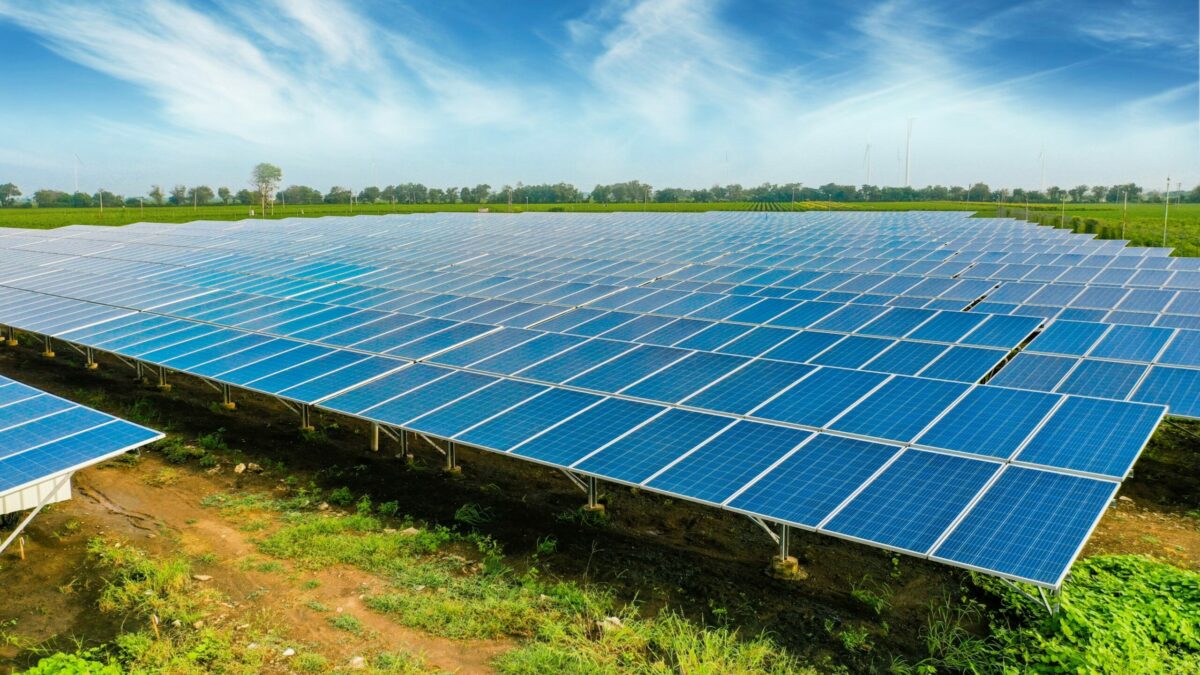
A utility-scale solar project can take 4 to 12 months depending on capacity and land availability. Below is the step-by-step process followed by professional EPC solar contractors.
Step 1 – Engineering and Design
Engineering is the foundation of a successful solar project.
Site Assessment
EPC companies evaluate:
-
Land contour
-
Soil quality
-
Wind speed
-
Shading
-
Solar irradiation
-
Transmission line proximity
Technical Design
Engineers prepare:
-
Electrical SLD (Single Line Diagram)
-
Civil layout
-
Module placement design
-
Power evacuation design
-
Earthing layout
Energy Yield Estimation
Tools like PVSyst calculate yearly energy output. This helps predict financial returns.
Step 2 – Procurement
After finalizing the design, procurement begins.
Selecting Solar Panels and Inverters
EPC contractors choose Tier-1 suppliers to ensure long-term performance.
Ordering Structures and Cables
Solar structures, AC/DC cables, switchgear, and BoS equipment are procured in bulk.
Logistics and Warehousing
Managing transportation and storage is a critical part of solar EPC services.
Step 3 – Construction and Installation
Civil Work
Includes:
-
Land leveling
-
Boundary wall
-
Equipment foundations
-
Cable trenching
Mechanical Work
Teams install:
-
Mounting structures
-
Solar panels
Electrical Work
Electrical engineers handle:
-
Inverter installation
-
Cable laying
-
Earthing
-
Control room setup
-
Switchyard installation
Safety Protocols
Construction sites follow strict safety standards to prevent accidents.
Step 4 – Testing and Commissioning
Performance Testing
Technicians test:
-
Voltage
-
Current
-
Earthing resistance
-
Inverter response
-
Panel connectivity
Grid Synchronization
The plant is synchronized with the grid and monitored for 72 hours before handover.
Step 5 – Handover and O&M
Plant Documentation
EPC companies deliver:
-
Warranty papers
-
Engineering drawings
-
O&M manuals
-
Safety certificates
Operation & Maintenance
Ongoing O&M includes:
-
Panel cleaning
-
Inverter servicing
-
Remote monitoring
-
Fault analysis
-
Breakdown fixes
A quality O&M plan ensures maximum annual energy generation.
Types of Solar Power Plant EPC Projects
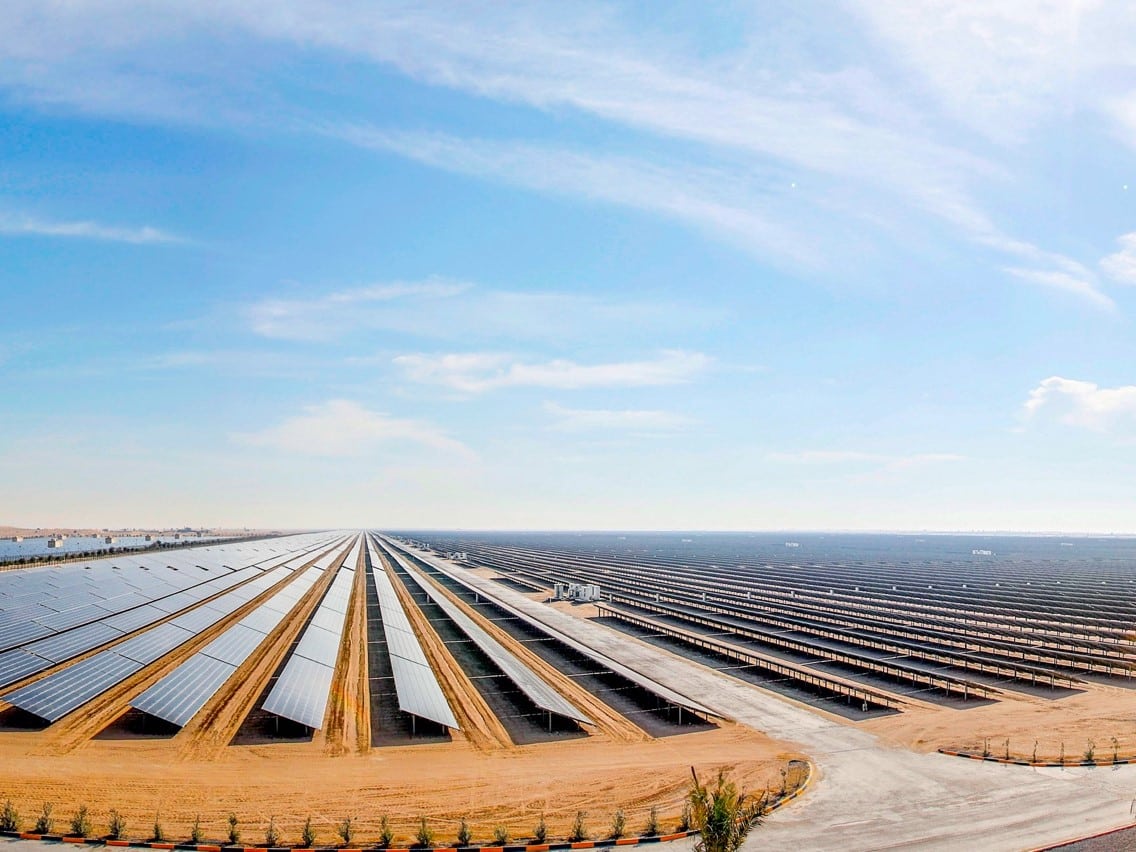
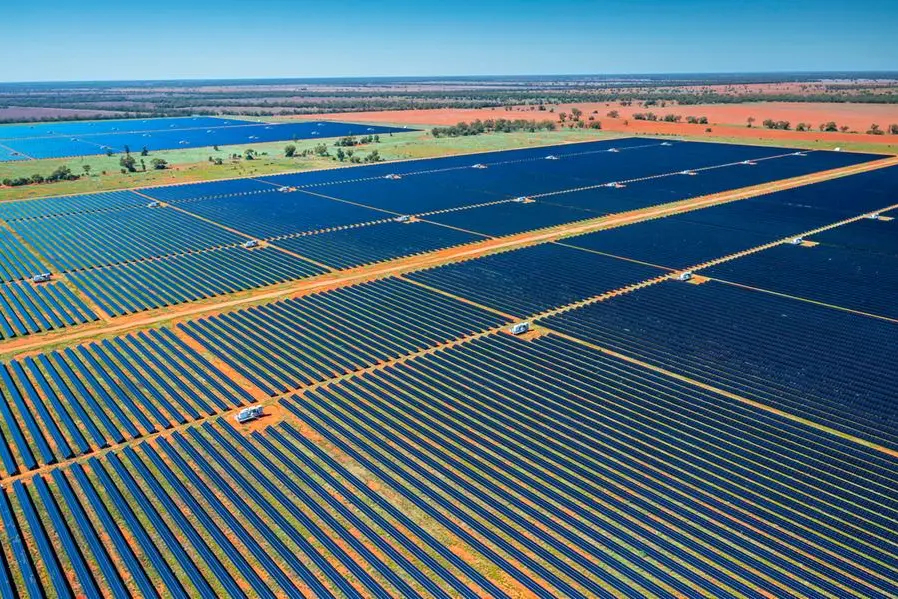
1. Utility-Scale Solar Farms
Large installations from 1 MW to 500 MW or more.
2. Industrial Solar Power Plants
Used by factories, warehouses and manufacturing units.
3. Commercial Solar Plants
Used by malls, IT parks, hotels, hospitals.
4. Hybrid Solar Systems
Connected with diesel generators or battery storage.
5. Floating Solar Plants
Installed on lakes, ponds, dams.
How to Choose the Best Solar Power Plant EPC Company
Choosing the right EPC partner is the most important decision for any solar project.
Key Factors to Consider
1. Experience and Track Record
Look for companies with more than 50 MW of installed capacity.
2. Engineering Expertise
Their team should include electrical, mechanical and civil engineers.
3. Vendor Network
Ensure they procure from:
-
Tier-1 panel manufacturers
-
Reliable inverter brands
4. Quality of BoS Components
Low-quality cables or SPD can reduce plant life.
5. Project Timeline
Ask for a detailed timeline with milestones.
6. Performance Guarantee
Most EPC contractors offer:
-
25-year module warranty
-
10-year inverter warranty
-
Generation assurance
7. After-Sales Support
Check if they offer long-term O&M services.
Cost of Solar Power Plant EPC
Pricing depends on:
-
Project size
-
Panel type
-
Land location
-
Type of structure (fixed or tracker)
-
Inverter type (string or central)
-
Civil site conditions
On average:
-
Utility-scale solar EPC cost: ₹3 to ₹4 crore per MW
-
Industrial solar EPC cost: ₹35 to ₹45 per watt (depending on scale)
Advantages of Solar Power Plant EPC Model
1. Single Point of Responsibility
No need to coordinate with multiple vendors.
2. Reduced Risk
EPC contractors take responsibility for delays, materials and quality.
3. Fast Execution
Integrated teams complete projects faster.
4. Better Cost Control
Bulk procurement reduces overall cost.
5. Higher Plant Performance
Optimized design leads to higher generation.
Common Challenges and How EPC Companies Solve Them
1. Land Issues
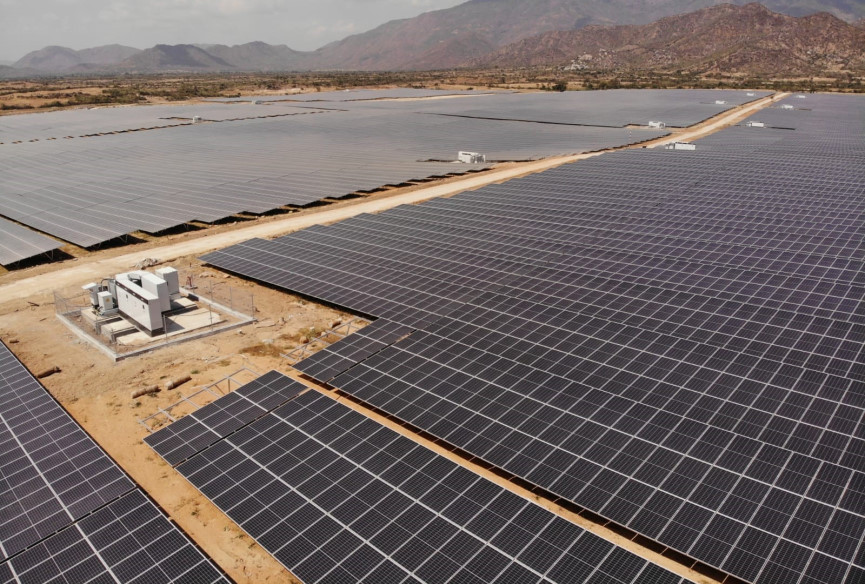
EPC companies perform GIS mapping and contour surveys.
2. Delays in Component Delivery
Established EPC firms maintain multiple supplier networks.
3. Grid Connectivity Issues
They coordinate with DISCOM and government authorities.
4. Weather Challenges
Experienced contractors plan construction around monsoon seasons.
Human-Written FAQs About Solar Power Plant EPC
1: What does an EPC contractor do in a solar project?
They handle design, engineering, component procurement, construction and commissioning of the entire solar plant.
2: Why should I choose Solar Power Plant EPC services?
It ensures quality, faster execution, cost optimization and performance guarantees under a single contract.
3: How long does it take to build a utility-scale solar plant?
A 10 MW solar plant typically takes 4 to 6 months, depending on land and approvals.
4: Which components are most important in an EPC project?
Panels, inverters, mounting structures, cables and monitoring systems are the core components.
5: What is included in the EPC contract price?
Design, engineering, panels, inverters, structures, civil work, electrical work, testing and commissioning.
6: How do I choose the right EPC solar contractor?
Check their experience, portfolio, engineering capability, vendor network and performance guarantees.
7: What is the role of SCADA in solar EPC projects?
SCADA monitors generation, faults and plant health in real time.
8: Are trackers required for every solar plant?
Trackers improve generation but cost more. They are ideal for large open lands with high direct sunlight.
9: What warranties come with EPC solar services?
Most provide module, inverter and system-level performance warranties.
10: Does EPC include O&M services?
Some contracts include O&M for 1 to 5 years, but long-term O&M is usually a separate agreement.
Conclusion
The Solar Power Plant EPC model has transformed the solar industry by offering an efficient and reliable project delivery system. By combining engineering, procurement and construction into one package, EPC solar companies help investors reduce risks, improve system performance and speed up installation timelines. Whether you are building a utility-scale solar farm or an industrial solar plant, partnering with a qualified EPC contractor ensures long-term stability, higher energy generation and strong financial returns.
If you’re planning to invest in solar, understanding the EPC model helps you make better decisions and choose the right partner for your project.