Rising electricity costs and growing environmental concerns are pushing businesses to rethink how they consume energy. One solution that continues to gain momentum is solar power for commercial buildings. From office complexes and malls to factories and warehouses, commercial solar panels are becoming a smart investment for long-term savings and sustainability.
Unlike residential setups, solar energy for businesses is designed to handle large power demands while offering better financial returns. This guide explains how commercial solar systems work, their benefits, costs, installation process, and whether they make sense for your business.
Why Solar Power Is Ideal for Commercial Buildings
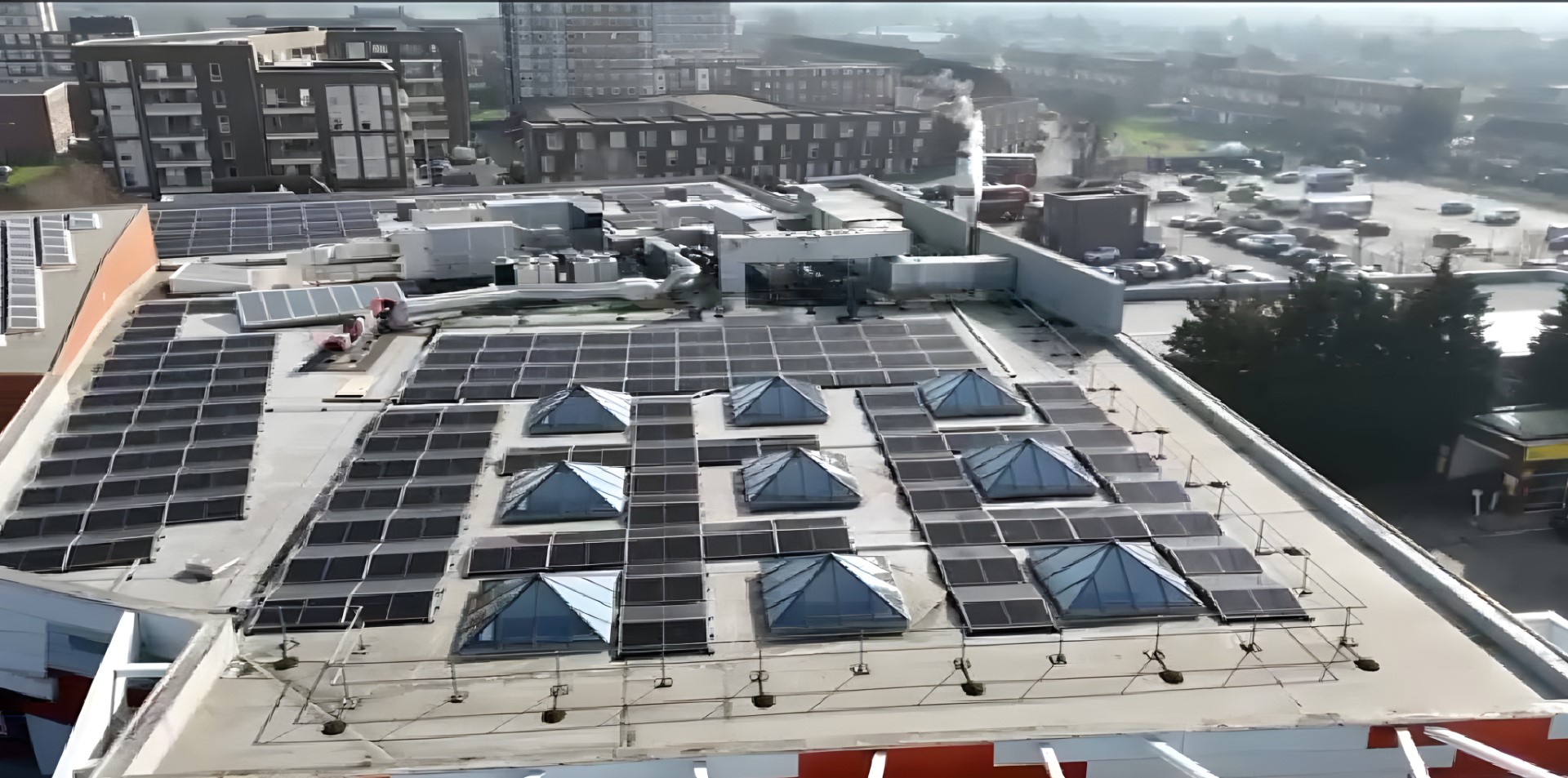
Commercial buildings consume far more electricity than homes. Lighting, HVAC systems, elevators, servers, and machinery run for long hours, often leading to massive monthly power bills. Solar power for commercial buildings allows businesses to generate their own electricity and reduce dependence on the grid.
Many businesses also operate during daylight hours, which perfectly aligns with peak solar generation. This makes rooftop solar for offices and industrial spaces especially effective. With net metering policies in place, excess energy can often be sent back to the grid, further reducing costs.
Key Benefits of Solar Power for Commercial Buildings
1. Significant Reduction in Electricity Bills
One of the biggest advantages of commercial solar panels is lower energy costs. Businesses can save anywhere between 30 percent to 70 percent on electricity bills, depending on system size and energy usage.
2. Strong Return on Investment (ROI)
Commercial solar installation offers higher ROI compared to residential systems. Most businesses recover their investment within 4 to 6 years, after which the electricity generated is almost free for the remaining lifespan of the system.
3. Long System Lifespan
High-quality industrial solar solutions typically last 25 years or more. With minimal maintenance, solar panels continue generating power reliably for decades.
4. Enhanced Brand Image
Using Solar Panels for Commercial Buildings improves brand credibility. Customers and partners increasingly prefer companies that demonstrate environmental responsibility and sustainability.
5. Protection Against Rising Power Tariffs
Electricity prices rarely go down. Solar power locks in energy costs, protecting businesses from future tariff hikes.
Types of Commercial Solar Systems
Rooftop Solar for Commercial Buildings
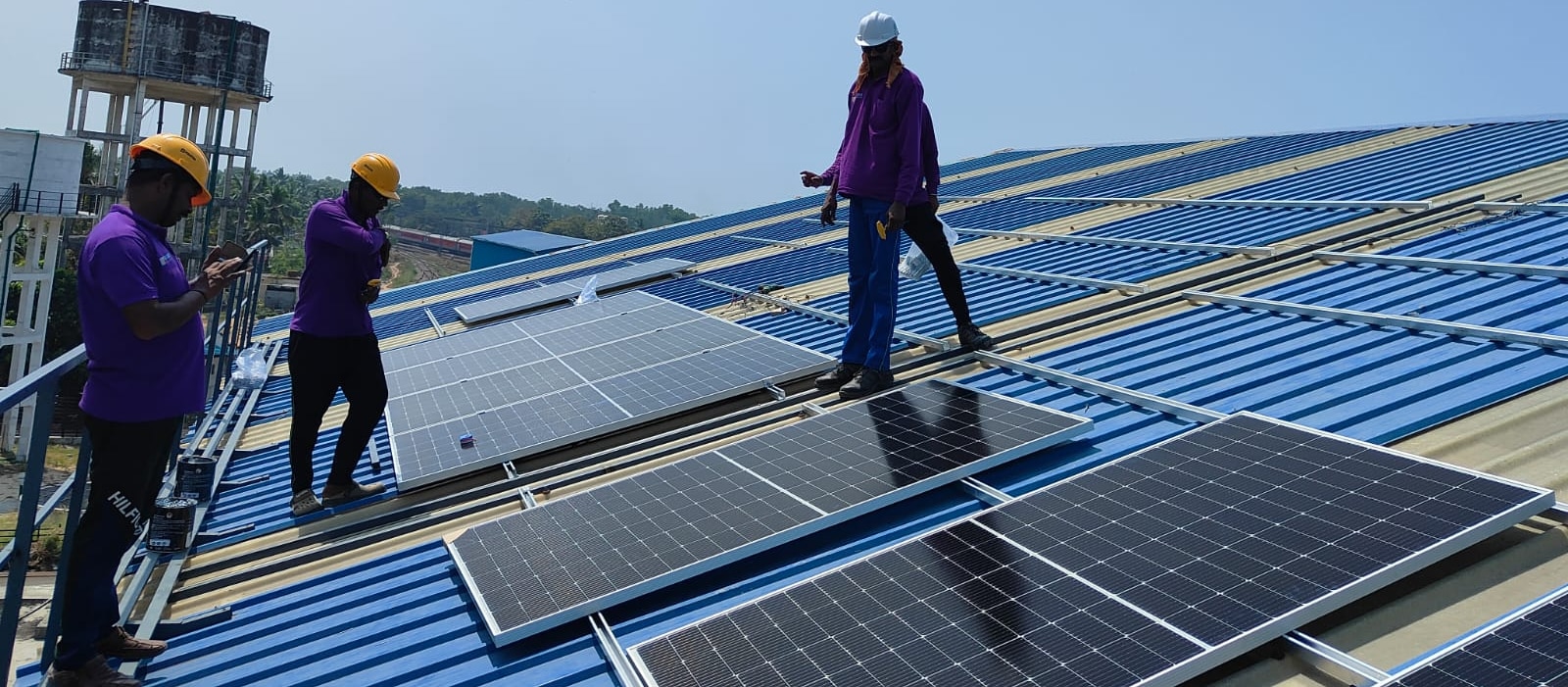
This is the most common option. Rooftop solar for offices, malls, hospitals, and hotels uses unused roof space to generate clean energy without affecting operations.
Ground-Mounted Solar Systems
Businesses with large land availability, such as factories or logistics parks, often opt for ground-mounted commercial solar panels. These systems allow larger capacity and easier maintenance.
Carport Solar Solutions
Solar carports generate power while providing shaded parking areas. This option is popular among corporate campuses and shopping complexes.
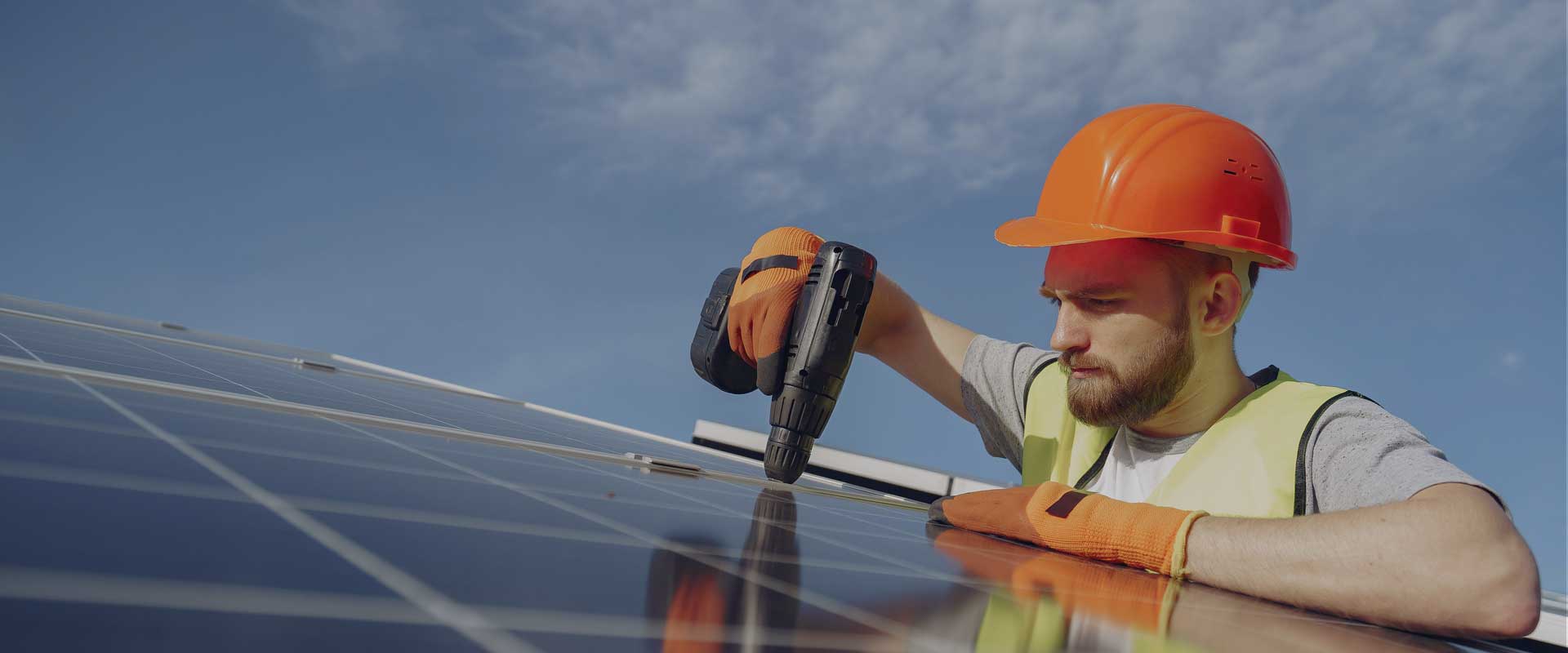
How Commercial Solar Installation Works
Site Assessment and Energy Audit
The process begins with analyzing electricity consumption patterns and assessing available space. This helps determine the ideal system size.
System Design and Engineering
Experts design a customized solar energy system based on load requirements, roof structure, and local regulations.
Approvals and Documentation
Necessary approvals from local authorities and utility providers are obtained before installation begins.
Installation and Commissioning
Commercial solar installation usually takes a few weeks, depending on system capacity. Once installed, the system is tested and connected to the grid.
Cost of Solar Power for Commercial Buildings
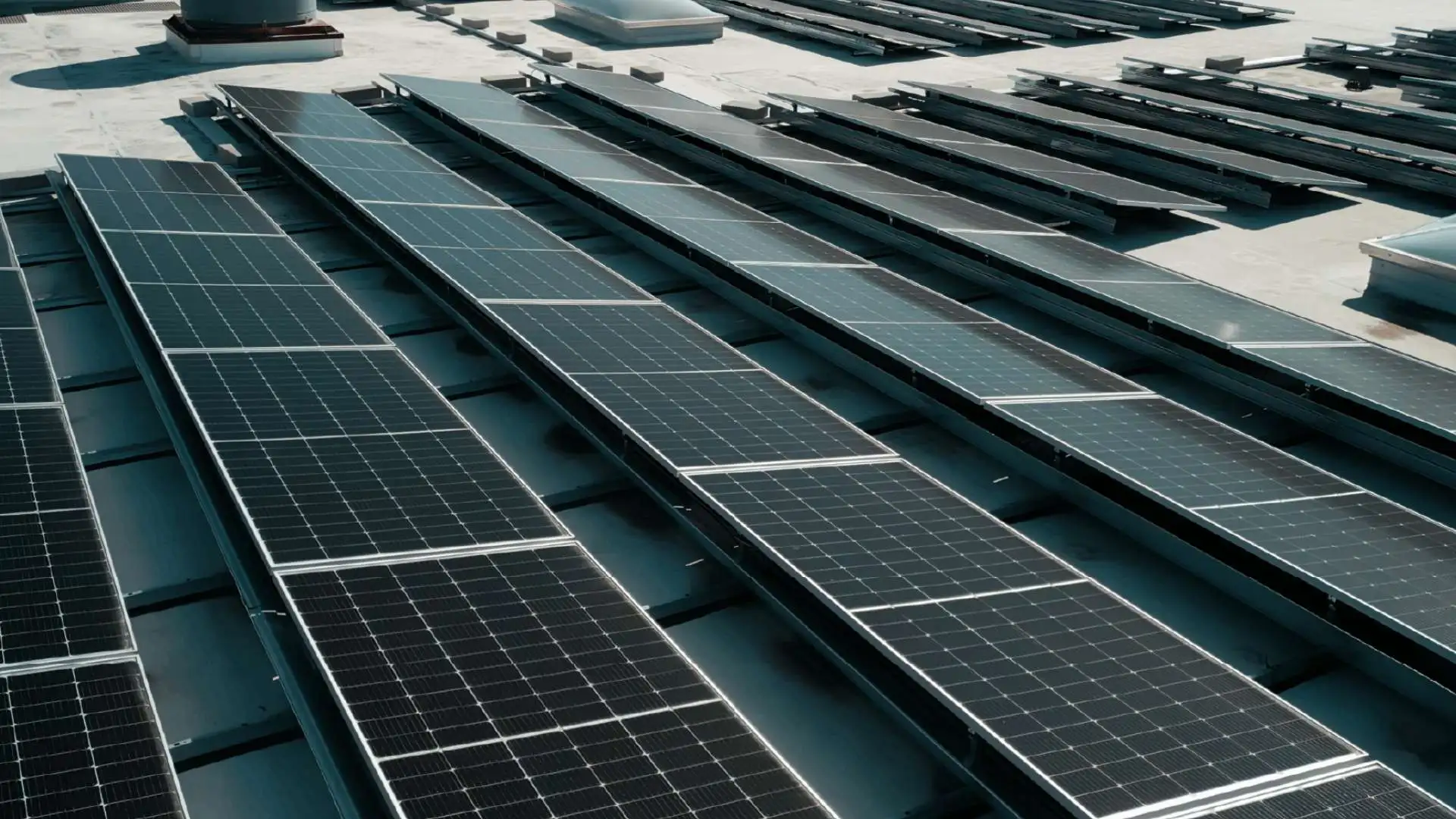
The cost of Solar Panels for Commercial Buildings depends on factors such as system size, panel quality, inverter type, and installation complexity.
On average:
-
Small commercial systems (20–50 kW) cost less per unit than residential systems.
-
Large industrial solar solutions (100 kW and above) benefit from economies of scale, further reducing per-unit cost.
Although the upfront investment may seem high, tax benefits, accelerated depreciation, and government incentives significantly lower the effective cost.
Government Incentives and Tax Benefits
Many governments encourage solar energy for businesses through financial incentives. These may include:
-
Accelerated depreciation benefits
-
Tax credits
-
Subsidies for specific sectors
-
Net metering benefits
These incentives improve project viability and shorten the payback period.
Maintenance and Performance of Commercial Solar Panels
Commercial solar systems require minimal maintenance. Routine cleaning, inverter checks, and periodic inspections ensure optimal performance. Most panels come with performance warranties of 25 years, while inverters typically carry 5 to 10 years of warranty.
Remote monitoring systems allow businesses to track energy generation and detect issues in real time.
Is Solar Power Suitable for Every Commercial Building?
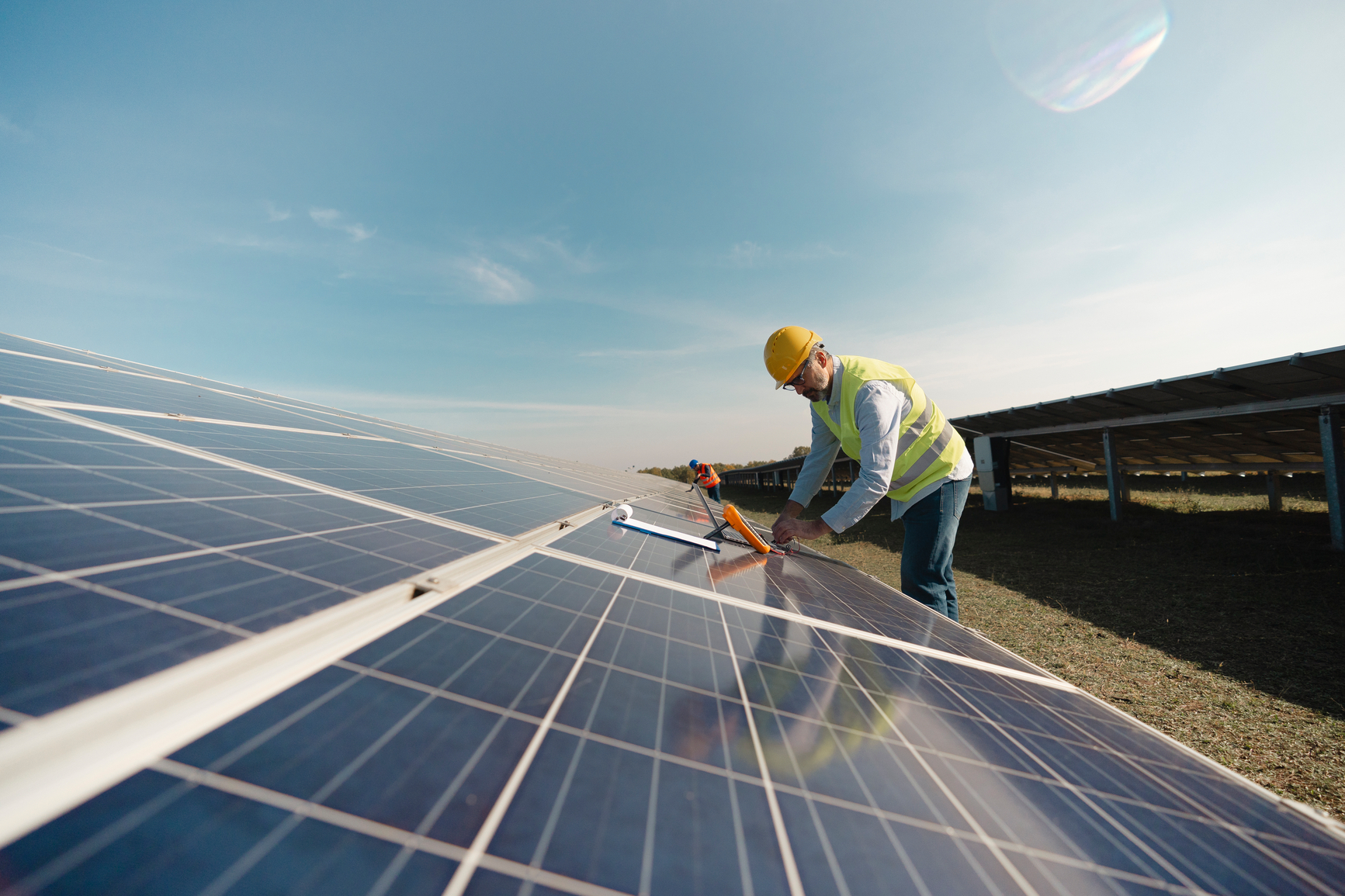
While solar power for commercial buildings is highly effective, not every building is ideal. Factors such as roof strength, shading, available space, and energy demand must be evaluated.
Even if rooftop installation is not possible, alternative options like ground-mounted or off-site solar projects can still offer benefits.
Future of Solar Energy for Businesses
The future of commercial solar installation looks promising. Falling equipment costs, better technology, and stronger policy support are driving rapid adoption. Energy storage solutions are also becoming more affordable, allowing businesses to store excess power for nighttime or backup use.
As sustainability reporting becomes more common, solar energy will likely shift from an option to a necessity for commercial establishments.
Solar Plant for Commercial Buildings (FAQs)
1. How much can a business save with solar power?
Savings depend on system size and energy usage, but most businesses reduce electricity bills by 30 to 70 percent.
2. What is the lifespan of commercial solar panels?
Commercial solar panels typically last 25 years or more with proper maintenance.
3. Does solar installation disrupt business operations?
No. Most commercial solar installations are planned to avoid operational disruption.
4. Can solar power run heavy machinery?
Yes. Industrial solar solutions are designed to support high-load equipment and machinery.
5. What happens during cloudy days or at night?
Solar systems draw power from the grid when generation is low. Battery storage can also be added for backup.
6. Is rooftop solar safe for large buildings?
Yes. Systems are installed after structural analysis to ensure safety and compliance.
7. How long does it take to recover the investment?
Most businesses achieve payback within 4 to 6 years.
8. Can solar systems be expanded later?
Yes. Commercial solar systems can often be upgraded or expanded as energy needs grow.
Conclusion
Solar power for commercial buildings is no longer just an environmental choice. It is a smart financial decision that delivers long-term savings, energy security, and brand value. With declining costs, strong ROI, and supportive policies, commercial solar panels offer a practical path toward sustainable business operations.
Whether you operate an office building, factory, hospital, or retail complex, investing in Solar Plant for Commercial Buildings can future-proof your energy needs while contributing to a cleaner planet. For businesses looking to cut costs and lead responsibly, commercial solar installation is a move worth making.