Solar panel installation is one of the smartest investments a homeowner can make today. With rising electricity prices and growing environmental concerns, installing a solar energy system is no longer a luxury. It has become a practical and financially rewarding decision for households looking for long-term savings and energy independence.
If you are considering rooftop solar panels for your home or commercial property, this detailed guide will walk you through everything you need to know — from planning and cost to installation process and maintenance.
Why Solar Panel Installation Is Gaining Popularity
Electricity bills continue to rise across cities and rural areas. At the same time, awareness about renewable energy is growing rapidly. A solar power system allows you to generate your own electricity directly from sunlight. This reduces dependency on traditional power grids and fossil fuels.
Here are a few strong reasons why residential solar installation is becoming popular:
-
Significant reduction in electricity bills
-
Government subsidies and incentives
-
Low maintenance requirements
-
Long lifespan (25+ years)
-
Environment-friendly energy production
-
Increase in property value
A properly designed solar energy system can meet most, if not all, of your daily electricity needs.
Understanding the Basics of a Solar Energy System
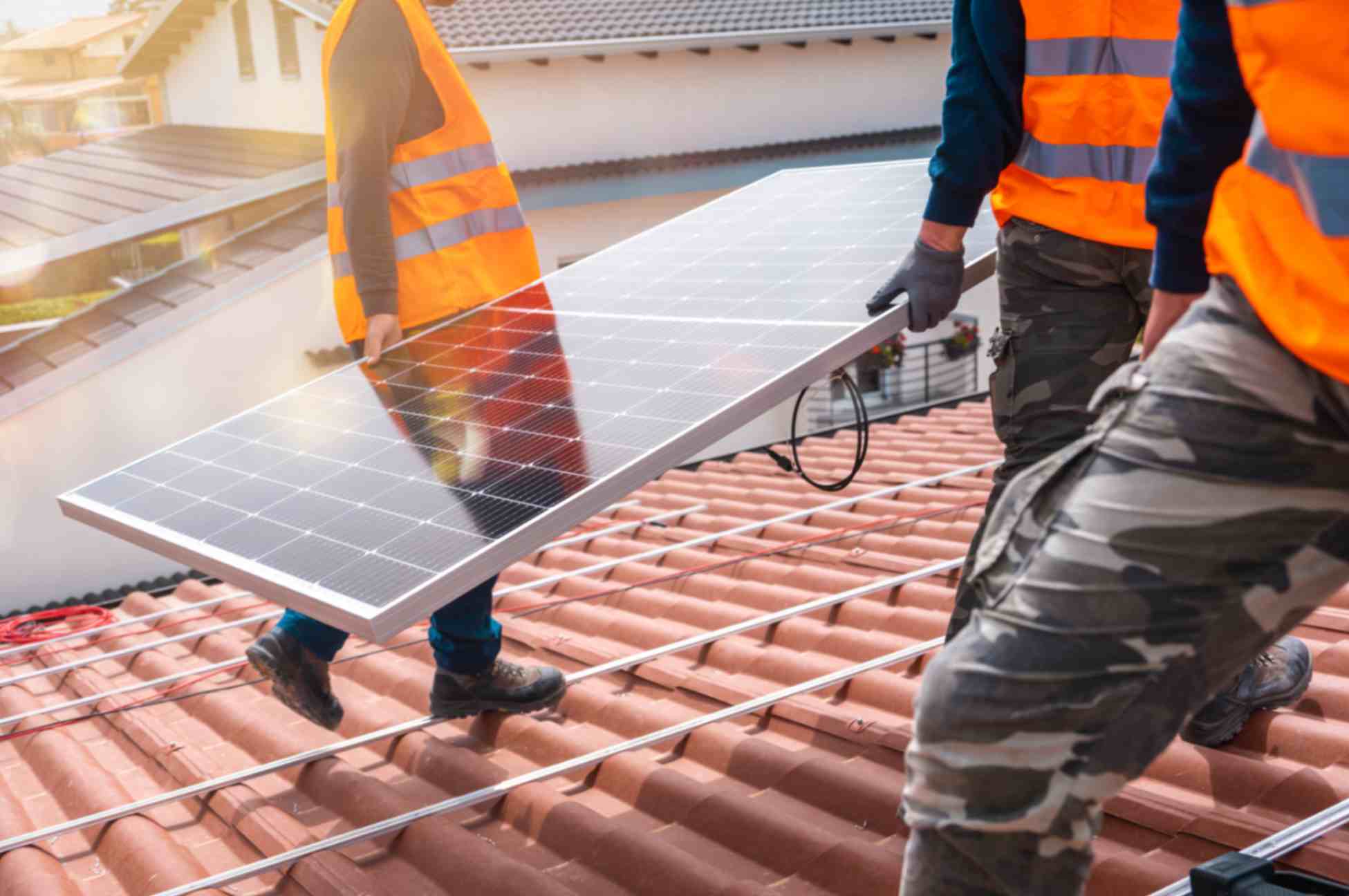
Before moving forward with solar panel installation, it is important to understand the main components involved.
1. Solar Panels
These panels capture sunlight and convert it into direct current (DC) electricity.
2. Solar Inverter
A solar inverter converts DC electricity into alternating current (AC), which is used by household appliances.
3. Mounting Structure
This holds the rooftop solar panels securely in place.
4. Battery (Optional)
A battery stores excess electricity for use during nighttime or power cuts.
5. Net Meter
A net meter tracks the energy sent to and received from the grid.
All these components work together to form a complete solar power system.
Step-by-Step Solar Panel Installation Process
A professional solar panel installation follows a structured process to ensure efficiency and safety.
Step 1: Site Assessment
A technician visits your property to evaluate:
-
Roof size and structure
-
Sunlight exposure
-
Shading from nearby buildings or trees
-
Electrical system compatibility
This helps determine the capacity of the residential solar installation required.
Step 2: System Design
Based on your electricity consumption and roof area, a customized solar energy system design is created. The layout ensures maximum sunlight exposure and optimal energy output.
Step 3: Approval and Documentation
In many regions, permits and approvals from local authorities or electricity boards are required before installation begins.
Step 4: Mounting Structure Installation
The mounting framework is installed securely on the rooftop. Proper alignment and tilt angle are critical for maximum efficiency.
Step 5: Solar Panel Placement
Rooftop solar panels are fixed onto the mounting structure and connected using proper wiring.
Step 6: Inverter Installation and Wiring
The solar inverter is installed and connected to your main electrical panel. All safety measures and grounding systems are carefully implemented.
Step 7: Testing and Activation
Once everything is connected, the system is tested. After final inspection and net meter setup, your solar power system becomes operational.
Solar Panel Installation Cost
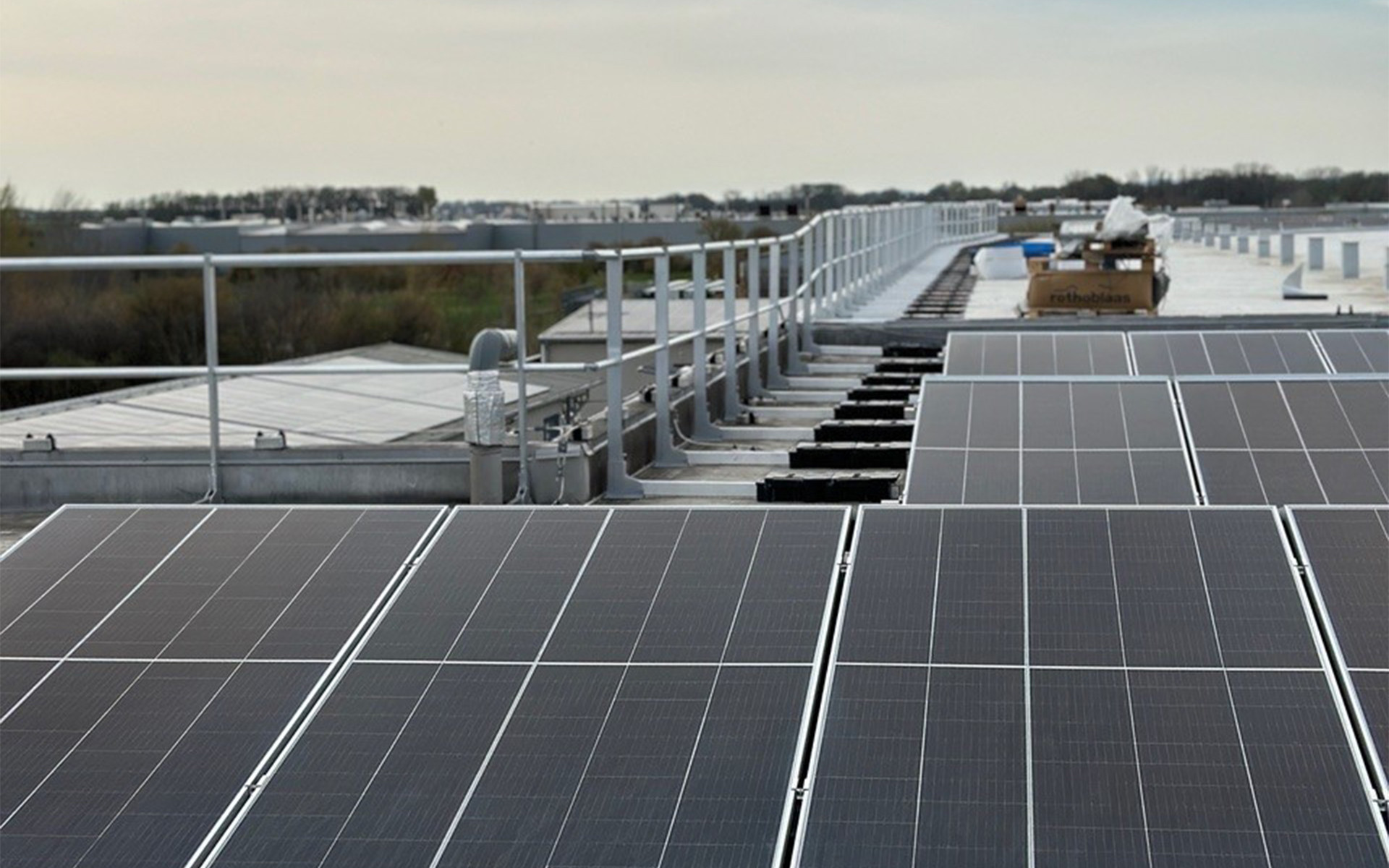
The solar panel cost depends on several factors:
-
System capacity (kW size)
-
Quality of panels and inverter
-
Installation complexity
-
Location
-
Government subsidies
For residential solar installation, the cost usually varies depending on whether you choose an on-grid, off-grid, or hybrid solar energy system.
On-Grid System
Connected to the utility grid. Most affordable option.
Off-Grid System
Includes batteries for complete independence.
Hybrid System
Combination of grid connection and battery storage.
Though the initial investment may seem significant, the long-term savings often recover the cost within 4 to 7 years.
Benefits of Solar Panel Installation
1. Reduced Electricity Bills
A properly installed solar power system can reduce electricity bills by 70–100%.
2. Long-Term Savings
Once installed, solar energy is free. The only costs involved are minor maintenance.
3. Environmental Benefits
Solar panel installation reduces carbon footprint and reliance on fossil fuels.
4. Low Maintenance
Rooftop solar panels require minimal cleaning and occasional inspection.
5. Increased Property Value
Homes with solar energy systems are often more attractive to buyers.
Factors That Affect Solar Panel Efficiency
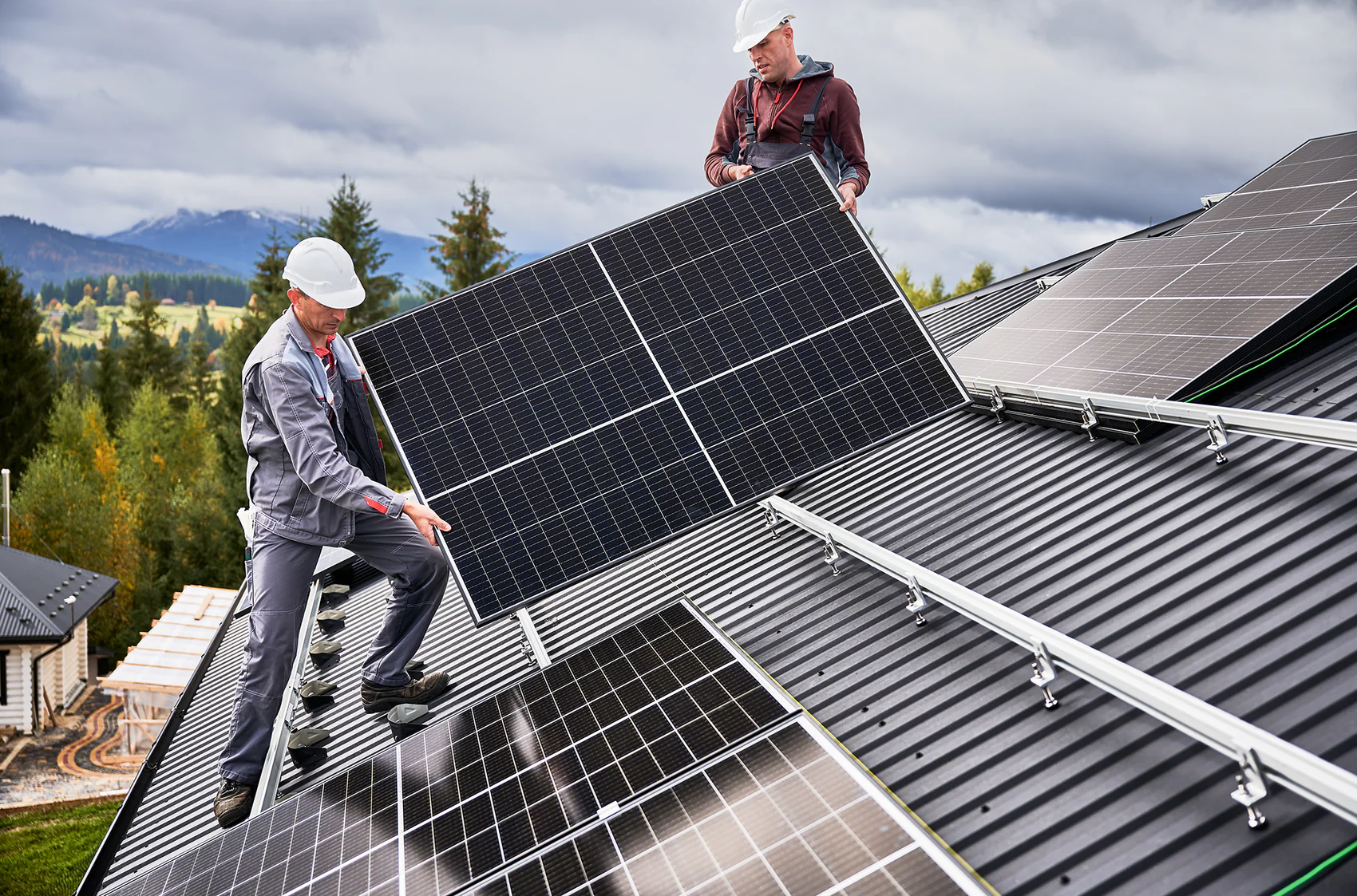
Not all systems perform the same. Here are important factors to consider:
-
Roof orientation (South-facing is ideal in many regions)
-
Panel tilt angle
-
Quality of solar inverter
-
Temperature conditions
-
Dust and shading
Regular maintenance and cleaning help maintain optimal performance.
Maintenance Tips After Solar Panel Installation
The good news is that maintenance is simple and affordable.
-
Clean panels every 2–3 months to remove dust.
-
Check wiring annually.
-
Monitor energy production through inverter display or mobile app.
-
Schedule professional inspection once a year.
Most manufacturers offer warranties of 20–25 years on solar panels and 5–10 years on inverters.
Is Solar Panel Installation Right for You?
Solar panel installation is ideal if:
-
You have sufficient rooftop space.
-
You receive good sunlight throughout the year.
-
Your electricity bills are high.
-
You plan to stay in your property long term.
Even small homes can benefit from a compact solar energy system designed to meet specific power requirements.
Common Myths About Solar Panel Installation
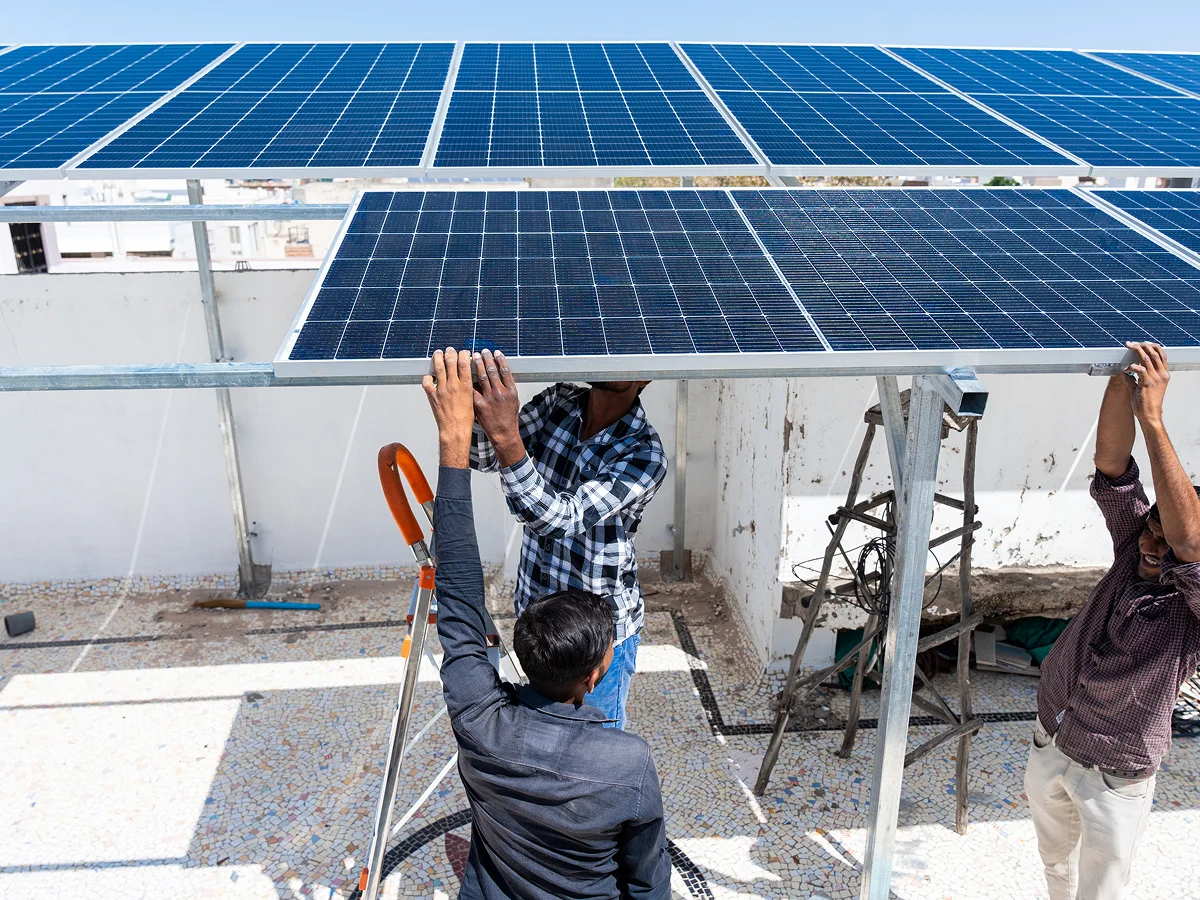
Myth 1: Solar Panels Do Not Work in Cloudy Weather
Solar panels still generate electricity in diffused sunlight, though at reduced efficiency.
Myth 2: Maintenance Is Expensive
Maintenance is minimal and generally limited to cleaning.
Myth 3: Installation Damages Roof
Professional residential solar installation does not damage roofing structures when done correctly.
Myth 4: Solar Is Too Expensive
With subsidies and long-term savings, solar panel cost is increasingly affordable.
Future of Solar Energy
With global emphasis on renewable energy, solar technology continues to improve. Panels are becoming more efficient, affordable, and aesthetically appealing. Battery storage technology is also advancing, making off-grid living more practical.
Investing in solar panel installation in Gurgaon today positions you ahead of rising energy costs and environmental regulations.
Frequently Asked Questions (FAQs)
1. How long does solar panel installation take?
Most residential solar installation projects are completed within 1–3 days after approvals.
2. What is the lifespan of a solar power system?
Solar panels typically last 25 years or more with proper maintenance.
3. How much can I save with solar panel installation?
Savings depend on electricity usage and system size, but many homeowners recover costs within 5–7 years.
4. Do solar panels work during power cuts?
On-grid systems shut down during outages unless paired with a battery backup.
5. How often should rooftop solar panels be cleaned?
Cleaning every 2–3 months is generally recommended.
6. Is government subsidy available?
In many regions, subsidies are offered to reduce solar panel cost. Check local regulations for details.
7. Can I expand my solar energy system later?
Yes, most systems can be upgraded depending on inverter capacity.
8. Does solar panel installation require special roof type?
Most roof types support installation, including concrete and metal roofs.
Conclusion
Solar panel installation is a long-term investment that delivers financial savings, environmental benefits, and energy independence. With rising electricity costs and improved technology, installing a solar energy system is now more accessible than ever.
Whether you are planning a small residential solar installation or a larger solar power system, proper planning and professional execution are key to maximizing returns. If your roof receives adequate sunlight and you are ready to reduce electricity bills, solar energy is a practical and future-ready solution.
By choosing DexterEnergy high-quality components and experienced installers, you can enjoy reliable, clean energy for decades to come.