Industrial units face constant pressure to reduce operating costs while improving productivity. With increasing electricity tariffs, shifting to rooftop solar for industry has become one of the most practical ways to cut power bills and build a sustainable future. This detailed guide explains everything you need to know about adopting industrial rooftop solar systems, from cost and installation to ROI and maintenance.
Included such as industrial solar solutions, commercial solar systems, industrial energy efficiency, and industrial solar power plants.
Table of Contents
-
Introduction
-
Why Industries Should Choose Rooftop Solar
-
Types of Rooftop Solar for Industry
-
Important Components of an Industrial Solar System
-
Industrial Rooftop Solar Installation Process
-
Cost of Rooftop Solar for Industry
-
ROI and Payback Period
-
Government Policies and Subsidies
-
Common Challenges and Practical Solutions
-
O&M Requirements
-
Choosing the Right Industrial Solar EPC Company
-
FAQs
-
Conclusion
Introduction to Rooftop Solar for Industry
Industrial operations depend on heavy machinery, HVAC systems, motors, production lines, and lighting loads. All of these put a major burden on electricity consumption. Traditional power from the grid is expensive and unpredictable in the long run. This is why rooftop solar for industry has become a preferred choice.
Industrial buildings usually have large roof areas, making them suitable for installing high-capacity solar power plants. With the help of industrial solar solutions in Gurgaon, companies not only save money but also achieve sustainability goals, reduce carbon emissions, and improve brand value.
As solar technology becomes more efficient and affordable, the shift towards commercial solar systems is accelerating across India and globally.
Why Industries Should Choose Rooftop Solar
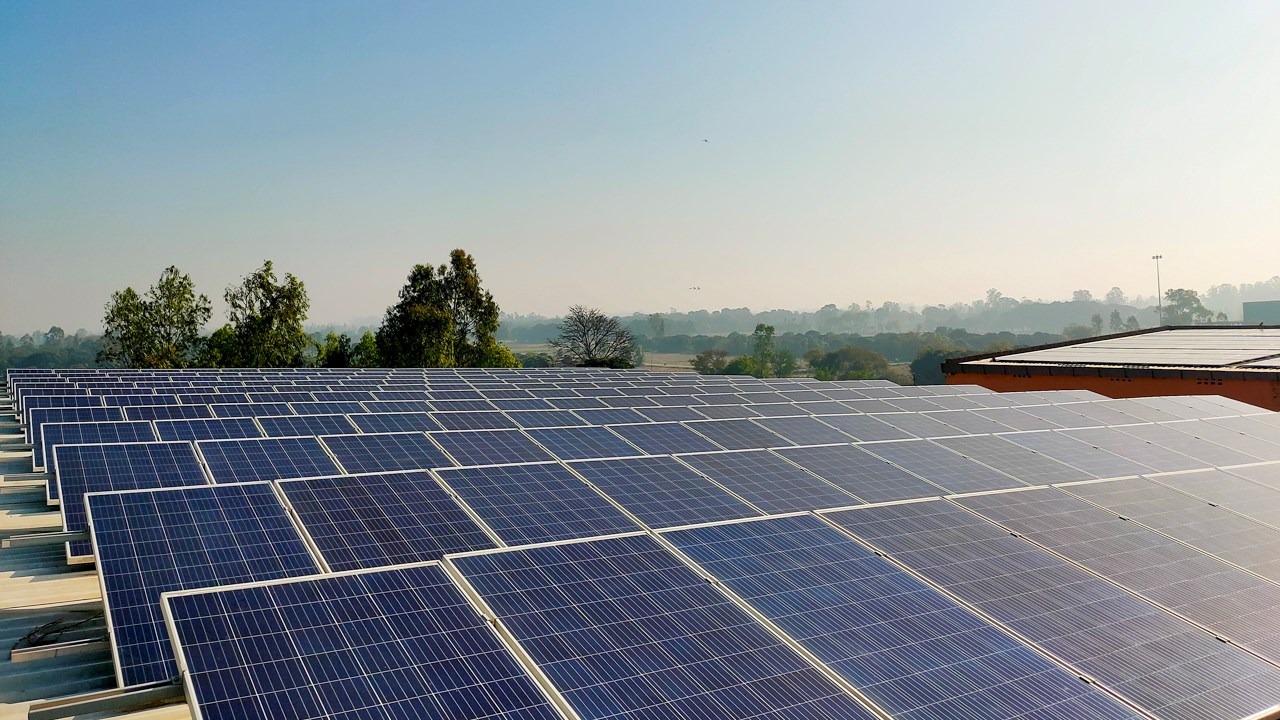
A rooftop solar system delivers clear financial and operational benefits. Here are the major reasons industries should adopt solar power:
1. Massive Reduction in Power Bills
Industrial power tariffs are the highest among all consumer categories. By generating electricity through industrial rooftop solar systems, companies can cut up to 60–80% of their electricity expenses.
This direct saving improves the company’s bottom line and supports better financial planning.
2. Protection from Rising Electricity Tariffs
Electricity prices increase every year. Installing a commercial solar power system acts as a hedge against rising tariffs. Once the system is installed, the cost of solar power remains stable for 25 years.
3. Improved Industrial Energy Efficiency
Solar energy helps industries meet sustainability targets without compromising performance. Many companies now prefer to adopt clean energy to match global ESG expectations.
Industries can also claim carbon credits based on their solar adoption.
4. Long-Term Asset with High ROI
Rooftop solar is a one-time investment that keeps generating electricity for decades. With modern industrial solar power plants in Gurgaon, you get:
-
25–30 years lifespan
-
Very low maintenance
-
Fast payback period
-
High ROI of 18–30%
5. Better Utilization of Roof Space
Industrial roofs are usually unused. Installing solar panels turns these roofs into productive assets generating electricity. This increases property value and contributes to operational excellence.
Types of Rooftop Solar Systems for Industry
Different industries require different configurations. Here are the main types:
1. On-Grid Industrial Solar System
This is the most common solution. It works with the grid and reduces energy bills through net metering.
Best suited for:
-
Large factories
-
Manufacturing units
-
Warehouses
2. Off-Grid Industrial Solar System
Off-grid systems use batteries and run without the grid.
Best suited for:
-
Remote industrial locations
-
Areas with poor grid connectivity
3. Hybrid Industrial Solar System
This system combines both grid and battery backup.
Best suited for:
-
Industries requiring uninterrupted power
-
Units with critical machinery
4. Industrial Solar Carport Systems
Carports are strong structures designed for parking areas. Solar panels installed on top generate electricity while providing shade.
Best suited for:
-
Factories with limited roof space
-
Corporate parks
-
Manufacturing hubs
Also Read: Top 1–5 MW Industrial Rooftop Solar Provider in Gurgaon: Complete Guide for Businesses in 2025
Components of an Industrial Rooftop Solar System
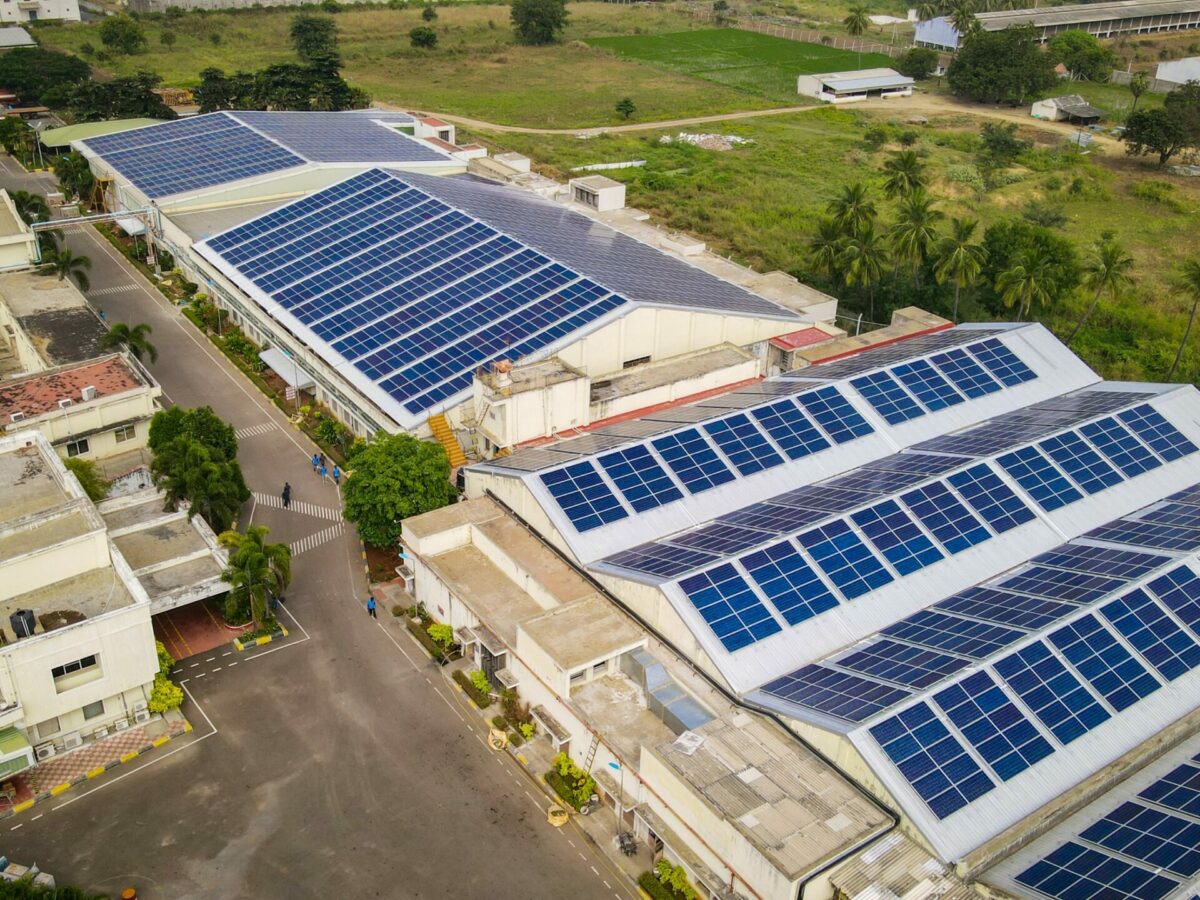
An industrial solar setup includes several high-quality components:
1. Solar Panels
The most important component. Mono PERC and bifacial panels are widely used for industrial solar solutions.
2. Inverters
Convert DC to AC power.
Types:
-
String Inverters
-
Central Inverters
-
Hybrid Inverters
3. Mounting Structures
Designed to withstand heavy loads and extreme temperatures. Hot-dip galvanized structures are preferred for long life.
4. Cables and Connectors
High-quality DC/AC cables ensure low power loss and higher system efficiency.
5. Safety Equipment
-
Lightning arrestors
-
Earthing rods
-
MCBs, MCCBs, surge protectors
Industrial Rooftop Solar Installation Process
Here is the typical workflow for installing rooftop solar for industry:
1. Site Survey
Engineers inspect the roof, measure load capacity, and check shadow-free area.
2. Design and Engineering
The EPC company creates a customized layout based on production needs and roof conditions.
3: Procurement
High-quality solar panels, inverters, and structures are procured.
4: Installation
Solar panels, wiring, and inverters are installed. Safety protocols are followed at every step.
5: Net Metering Approval
Required for on-grid systems. The electricity board installs a bi-directional meter.
6: Testing and Commissioning
Final testing ensures that the system is running smoothly and safely.
Cost of Rooftop Solar for Industry
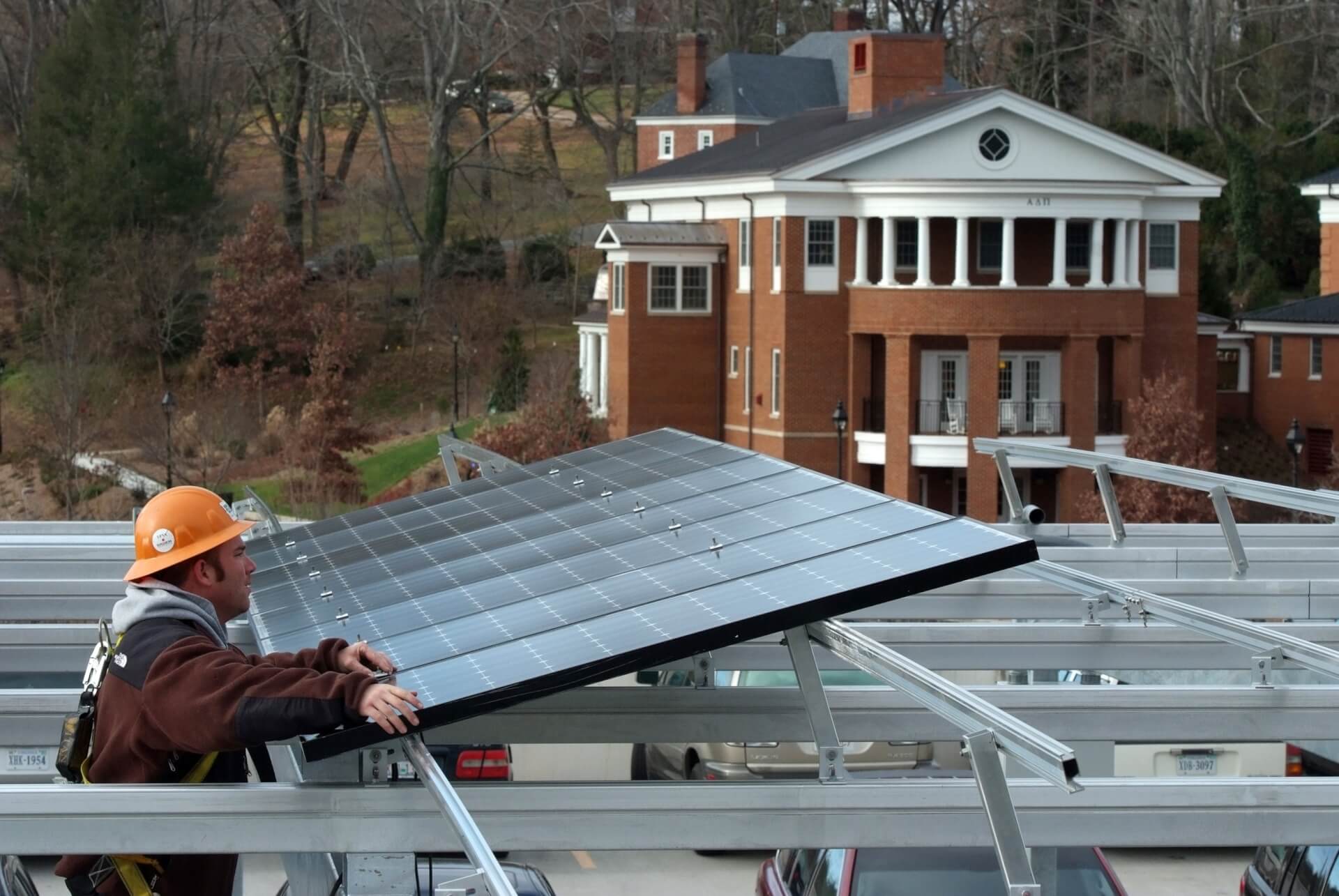
Industrial solar pricing depends on:
-
Total capacity
-
Type of panels
-
Type of inverter
-
Quality of materials
-
Roof structure
Average Industrial Solar Cost
For medium to large industries, the cost ranges from:
Larger systems cost less per watt due to economies of scale.
ROI and Payback Period
Industries see fast payback due to high power consumption.
Typical Payback
4 to 6 years
Savings
Industries save 55–80% of their monthly electricity bills depending on load distribution.
Return on Investment
18–30% annually
Solar remains one of the highest ROI investments for industrial businesses.
Government Policies and Subsidies
Industries usually do not receive subsidies like residential consumers. However, they benefit from policies like:
-
Net metering
-
Accelerated depreciation
-
Carbon credit benefits
-
State-level industrial solar incentives
Many states in India offer policies encouraging commercial solar power adoption.
Common Challenges for Industries and Practical Solutions
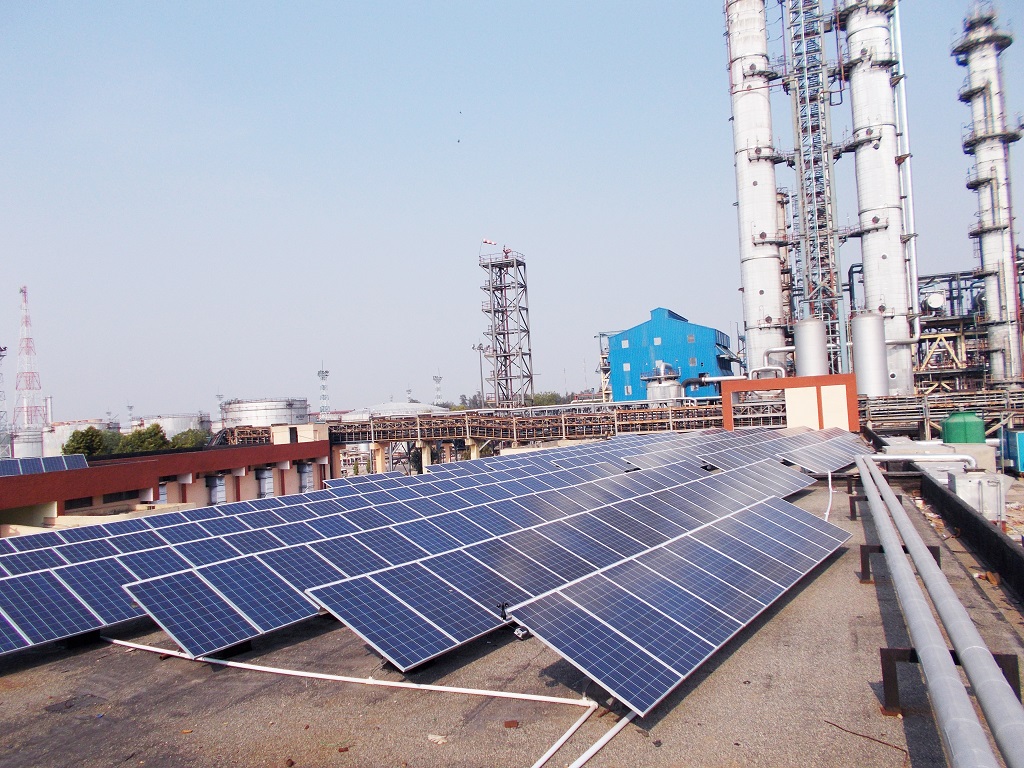
1. Limited Roof Strength
Solution: Pre-installation structural testing and additional support structures.
2. Shadow Issues
Solution: Strategic panel placement and use of high-efficiency modules.
3. Weather Damage
Solution: Heavy-duty mounting structures and lightning protection.
4. Grid Fluctuations
Solution: Strong inverter protection with surge guards.
O&M Requirements for Industrial Solar Plants
Regular O&M keeps the system running at peak performance. It includes:
-
Cleaning solar panels
-
Checking wiring connections
-
Inverter inspection
-
Performance monitoring
-
Preventive maintenance
Industries often sign annual maintenance contracts to ensure reliability.
Choosing the Right Industrial Solar EPC Company
A professional EPC contractor ensures efficient installation and long-term reliability. Look for:
-
Experience with MW-scale systems
-
Skilled engineering team
-
Quality certifications
-
Strong AMC support
-
High-efficiency materials
Selecting the right company ensures lower downtime and higher energy production.
Frequently Asked Questions (FAQs)
How much roof space is required for industrial rooftop solar?
Typically, 100 kW requires around 8,000–10,000 square feet depending on panel efficiency.
Do industrial buildings need special permissions for solar?
Only net metering and structural approvals are needed. EPC companies usually manage this.
Can industries run heavy machinery on solar?
Yes. On-grid solar directly feeds industrial loads through the grid.
What is the lifespan of an industrial rooftop solar system?
25–30 years with proper maintenance.
What is the maintenance cost for industrial solar plants?
Around 1–1.5% of total system cost per year.
Is rooftop solar safe for industrial roofs?
Yes. Engineers analyze structural strength before installation.
How much money can industries save with solar?
Savings range from 55–80% of annual electricity expenses.
Which type of inverter is best for industry?
String inverters for moderate sizes, central inverters for MW-scale plants.
Is battery backup recommended for industries?
Only for critical loads. Most industries prefer on-grid systems.
How long does installation take?
2–10 weeks depending on system size.
Conclusion
Rooftop solar for industry is one of the smartest investments a business can make today. It reduces operational costs, increases profit margins, and supports long-term sustainability goals. With reliable equipment, a strong EPC partner, and proper maintenance, an industrial rooftop solar system delivers uninterrupted clean energy for decades.
As industries move toward clean power and energy independence, adopting industrial solar solutions becomes a strategic and financial advantage. Whether you run a small manufacturing unit or a large industrial complex, switching to solar is a future-ready decision that pays back year after year.