As businesses and industries shift toward renewable energy, solar power has become a practical and financially smart choice. However, setting up a solar power plant is not just about installing panels. It involves planning, engineering, approvals, procurement, construction, testing, and long-term performance assurance. This is where Turnkey Solar EPC Solutions play a critical role.
Turnkey Solar EPC Solutions offer a complete, end-to-end approach to solar project execution. From the initial feasibility study to final commissioning, everything is handled by a single Solar EPC company. For clients, this means fewer risks, better coordination, predictable costs, and peace of mind.
This article explains what Turnkey Solar EPC Solutions are, how they work, their benefits, and why they are the preferred model for commercial and industrial solar projects.
What Are Turnkey Solar EPC Solutions?
Turnkey Solar EPC Solutions refer to a project delivery model where the EPC contractor takes full responsibility for the solar power plant. EPC stands for Engineering, Procurement, and Construction. In a turnkey setup, the client receives a fully operational solar plant, ready to generate power from day one.
Unlike partial or fragmented approaches, turnkey solar EPC services cover every stage of the project lifecycle. The client does not need to manage multiple vendors, technical teams, or compliance processes. Everything is executed under one contract and one point of accountability.
This model is widely used for rooftop solar systems, ground-mounted solar plants, industrial solar EPC projects, and utility-scale solar power installations.
Key Components of Turnkey Solar EPC Solutions

1. Engineering and Design
The process begins with site analysis, energy requirement assessment, and system design. A professional Solar EPC company conducts shadow analysis, structural evaluation, and electrical planning to ensure maximum efficiency and long-term reliability.
Engineering also includes preparing drawings, load calculations, and system layouts that comply with local regulations and grid standards.
2. Procurement of Equipment
Procurement involves sourcing high-quality solar panels, inverters, mounting structures, cables, transformers, and monitoring systems. In Turnkey Solar EPC Solutions, the EPC contractor selects components based on performance, durability, and warranty support.
This stage is critical because equipment quality directly impacts energy output and maintenance costs over the project’s lifespan.
3. Construction and Installation
Construction includes civil work, mounting structure installation, panel placement, inverter setup, cabling, and grid connection. Experienced EPC teams follow strict safety standards and timelines during this phase.
For commercial solar EPC services and industrial solar EPC projects, construction efficiency is essential to minimize operational disruptions.
4. Testing and Commissioning
Once installation is complete, the system undergoes rigorous testing to ensure optimal performance. Commissioning includes synchronization with the grid, safety checks, and performance validation.
Only after successful testing is the solar power plant handed over to the client.
5. Operation and Maintenance Support
Many Turnkey Solar EPC Solutions also include optional operation and maintenance services. This ensures consistent energy generation, regular inspections, and quick resolution of technical issues.
Why Choose Turnkey Solar EPC Solutions?

Single Point of Responsibility
With a turnkey model, the EPC contractor is fully accountable for the project. This reduces conflicts, delays, and communication gaps that often arise when multiple vendors are involved.
Cost Certainty
Turnkey Solar EPC Solutions are usually offered at a fixed price. This helps businesses plan their investment accurately without worrying about hidden costs or budget overruns.
Faster Project Execution
Because engineering, procurement, and construction are managed by one entity, project timelines are shorter. Faster execution means quicker returns on investment.
Technical Expertise
A reliable Solar EPC company brings experience, skilled manpower, and proven processes. This ensures system efficiency, safety, and compliance with regulations.
Lower Risk for Clients
The EPC contractor assumes technical and execution risks. Clients can focus on their core business while the solar project is handled professionally.
Applications of Turnkey Solar EPC Solutions
Commercial Buildings
Shopping malls, hospitals, hotels, and office complexes use commercial solar EPC services to reduce electricity costs and improve sustainability credentials.
Industrial Facilities
Factories and manufacturing plants benefit from industrial solar EPC projects that provide stable, long-term power at predictable costs.
Utility-Scale Solar Plants
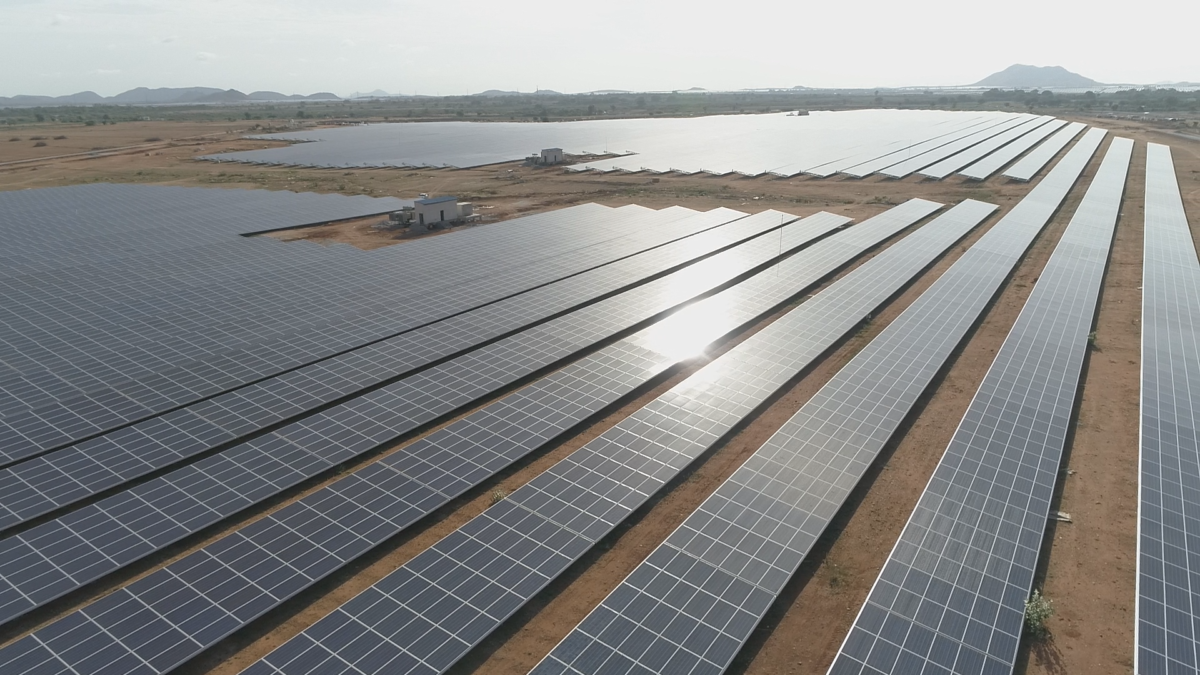
Large ground-mounted solar power plant installations rely heavily on turnkey EPC models for efficient execution and grid integration.
Institutional and Government Projects
Educational institutions and public sector facilities adopt turnkey solar EPC services for compliance, transparency, and long-term savings.
How to Choose the Right Solar EPC Company
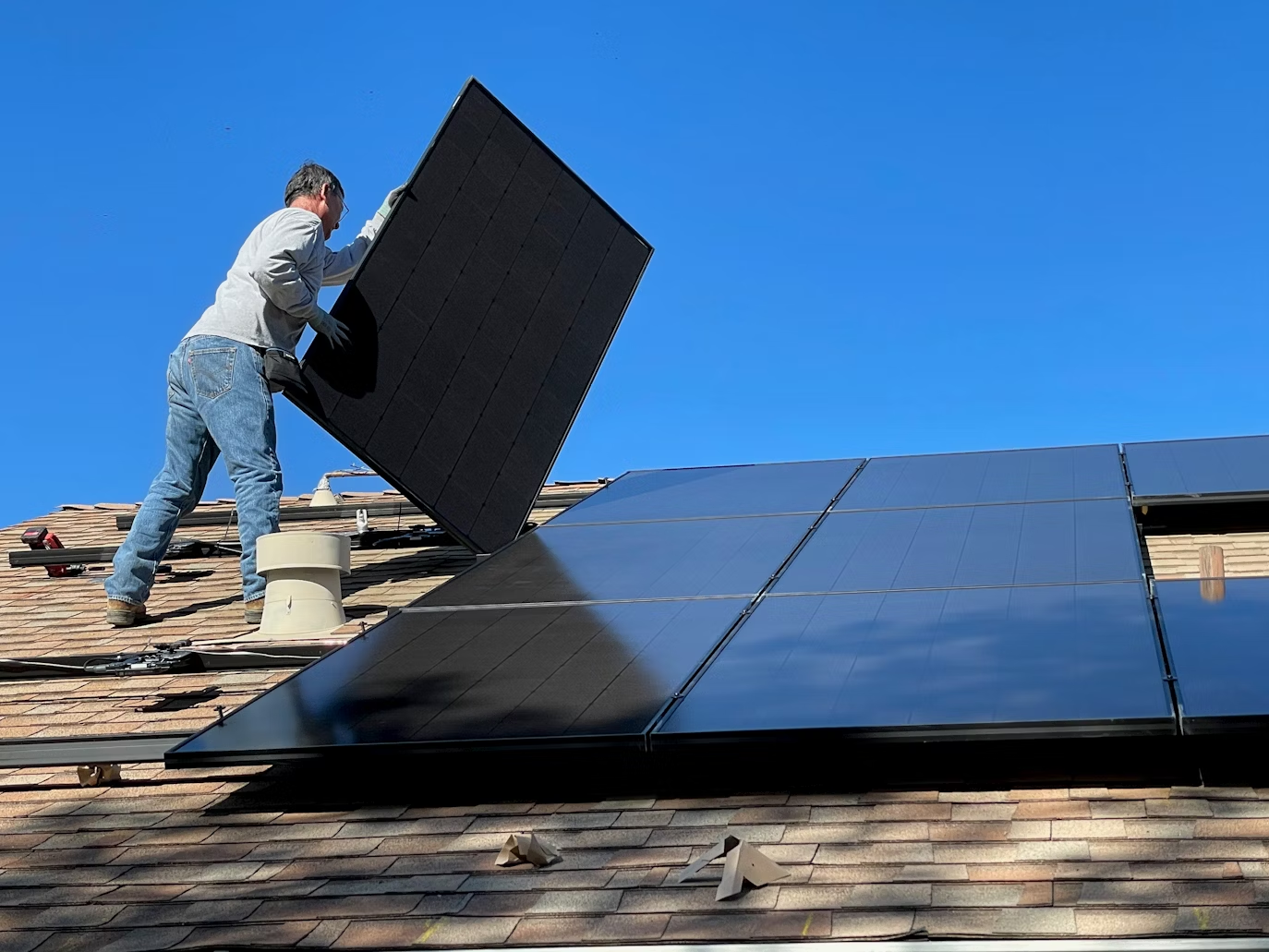
Selecting the right EPC partner is crucial for project success. Look for a Solar EPC company with a strong track record, certified professionals, and experience in similar projects.
Check their past installations, component quality standards, safety practices, and post-installation support. Transparent communication and realistic timelines are also important indicators of a reliable EPC provider.
Future of Turnkey Solar EPC Solutions
As solar technology evolves, Turnkey Solar EPC Solutions are becoming more advanced. Integration with energy storage systems, smart monitoring, and AI-based performance analytics is now common.
With rising electricity costs and sustainability goals, demand for end-to-end solar solutions is expected to grow rapidly across commercial and industrial sectors.
Frequently Asked Questions (FAQs)
1. What does turnkey mean in solar EPC projects?
Turnkey means the EPC contractor delivers a fully functional solar power plant, handling everything from design to commissioning.
2. Are Turnkey Solar EPC Solutions suitable for small businesses?
Yes, turnkey solar EPC services can be customized for small, medium, and large-scale projects depending on energy needs.
3. How long does a turnkey solar project take to complete?
Project timelines vary based on size and complexity, but most commercial and industrial projects are completed within a few months.
4. Is maintenance included in Turnkey Solar EPC Solutions?
Maintenance may be included or offered as an add-on service, depending on the EPC contract terms.
5. Do turnkey solar EPC projects qualify for government subsidies?
Yes, many projects are eligible for subsidies and incentives, subject to local regulations and compliance.
6. What is the lifespan of a solar power plant installed under EPC?
Most solar power plants have a lifespan of 25 years or more with proper maintenance.
7. How do turnkey solutions reduce project risk?
By assigning full responsibility to one EPC contractor, coordination issues and execution risks are minimized.
8. Can Turnkey Solar EPC Solutions be used for rooftop solar systems?
Absolutely. Rooftop solar installations commonly use the turnkey EPC model for simplicity and efficiency.
Conclusion
Turnkey Solar EPC Solutions provide a streamlined, reliable, and cost-effective way to adopt solar energy. By offering complete project ownership under one contract, this model removes complexity and reduces risk for businesses and institutions.
Whether you are planning a rooftop installation, a commercial solar project, or a large industrial solar power plant, choosing the right Solar EPC company is key. With expert engineering, quality procurement, and professional execution, turnkey solar EPC services help you transition to clean energy with confidence and long-term value.
Investing in Dexter Energy solutions is not just about saving electricity costs. It is about building a sustainable, future-ready energy system for your organization.