
Warehouses across India are under growing pressure to reduce operating costs, manage rising electricity tariffs, and meet sustainability goals. One solution that has gained strong momentum is Solar EPC for Warehouses in India. With large rooftop areas and high daytime power consumption, warehouses are ideal candidates for solar energy systems.
This article explains how solar EPC services gurgaon work for warehouses, why businesses are adopting them rapidly, and how the right EPC partner can transform energy expenses into long-term savings.
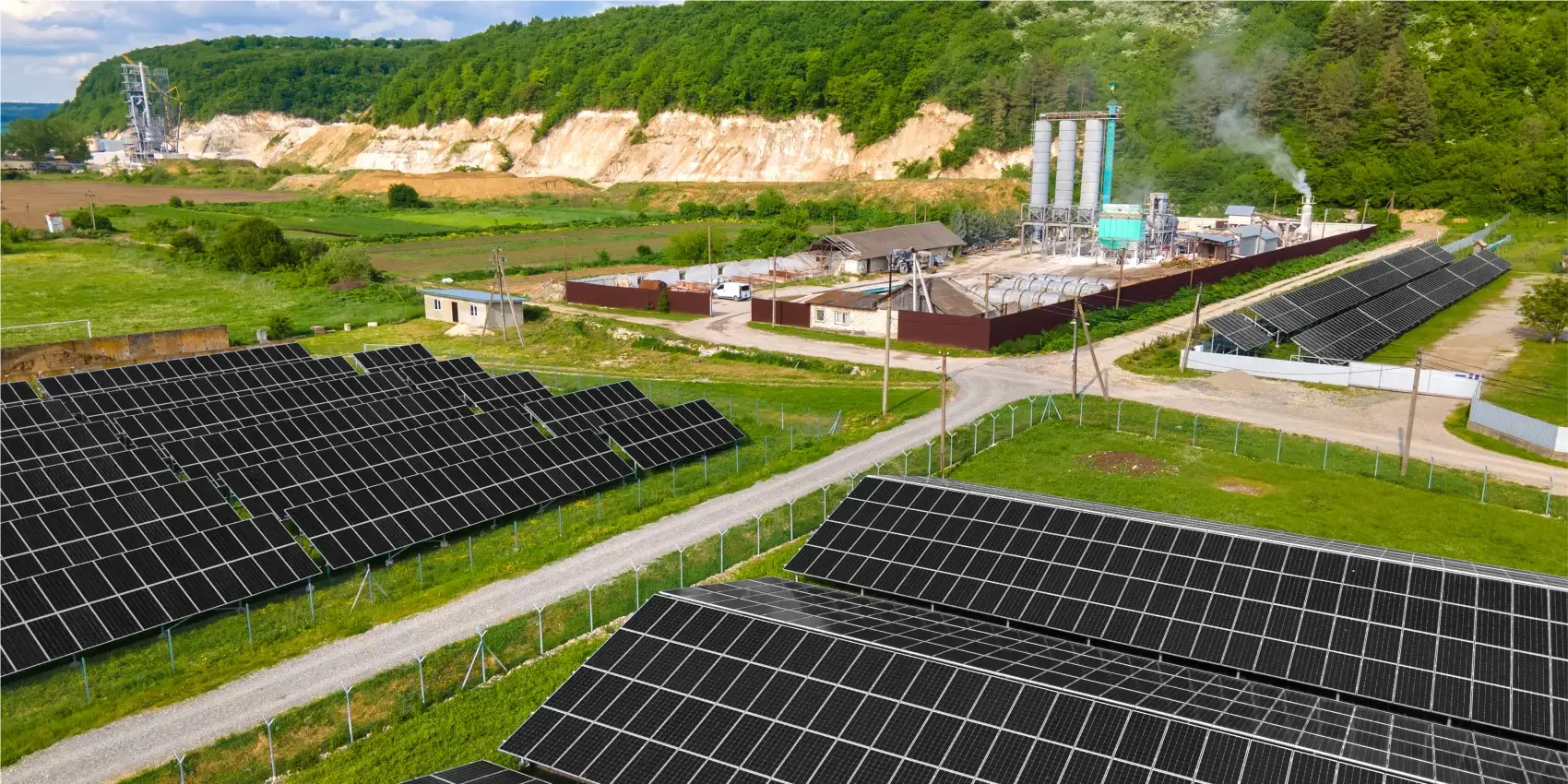
Solar EPC stands for Engineering, Procurement, and Construction. In simple terms, a Solar EPC provider handles the complete execution of a solar power project from design to commissioning.
When we talk about Solar EPC for Warehouses in India, it means designing and installing customized rooftop or ground-mounted solar power plants specifically for warehouse facilities. These projects are built to match load patterns, roof structures, and operational needs.
A typical solar EPC scope includes:
Many warehouse owners also opt for long-term operation and maintenance support after installation.
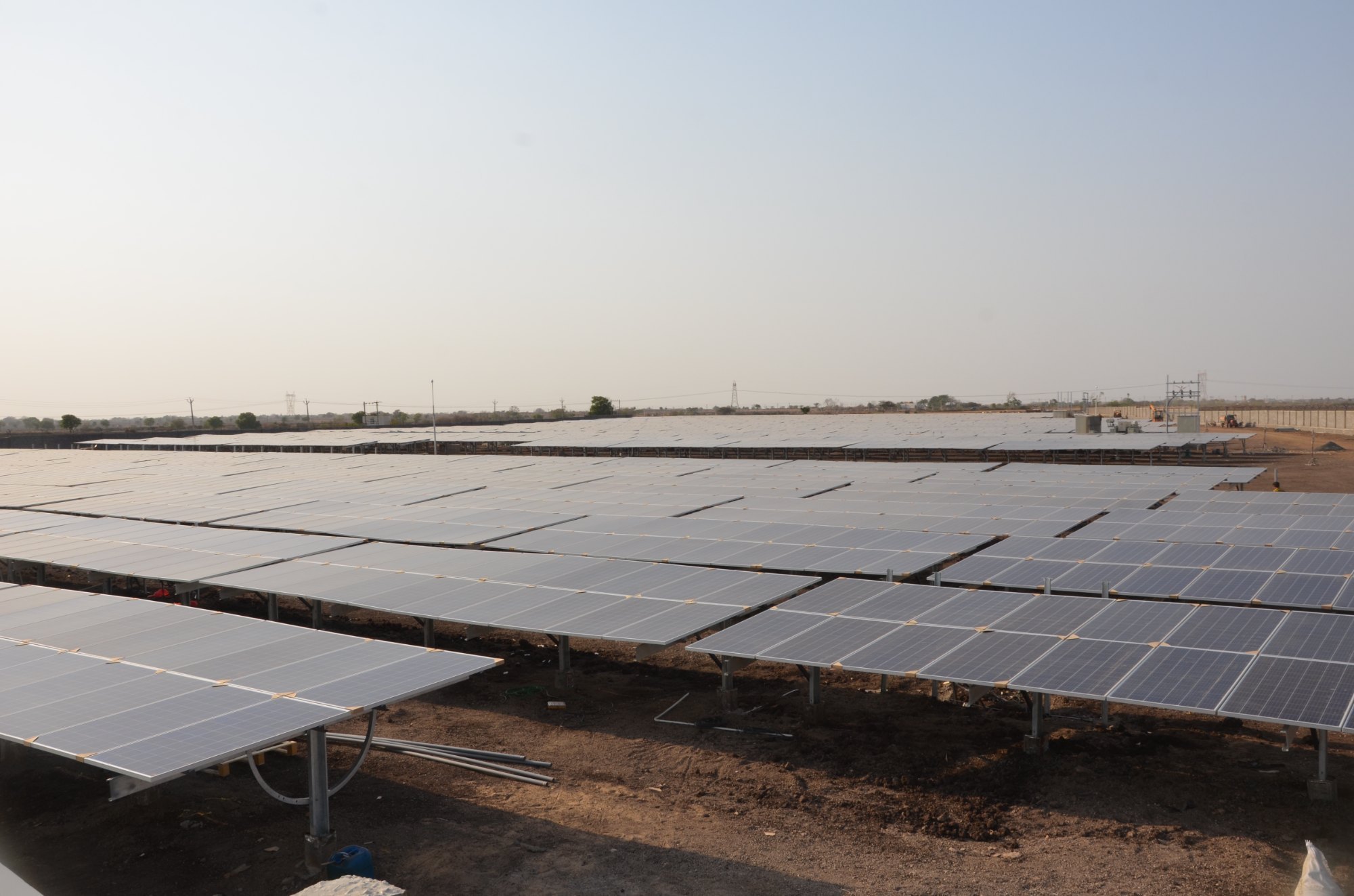
Warehouses offer some of the best conditions for solar adoption in India. Their physical layout and energy usage profile make solar a practical and profitable investment.
Most warehouses have wide, flat rooftops with minimal shading. This allows higher solar capacity installation compared to office buildings or residential units.
Lighting, material handling equipment, ventilation, and IT systems consume power mainly during daylight hours. This matches well with solar power generation.
Commercial and industrial electricity tariffs in India continue to rise. A well-planned warehouse rooftop solar EPC project can significantly reduce grid dependency.
Many logistics and e-commerce companies are committing to green energy targets. Solar EPC for warehouses in Haryana supports carbon reduction and corporate sustainability goals.
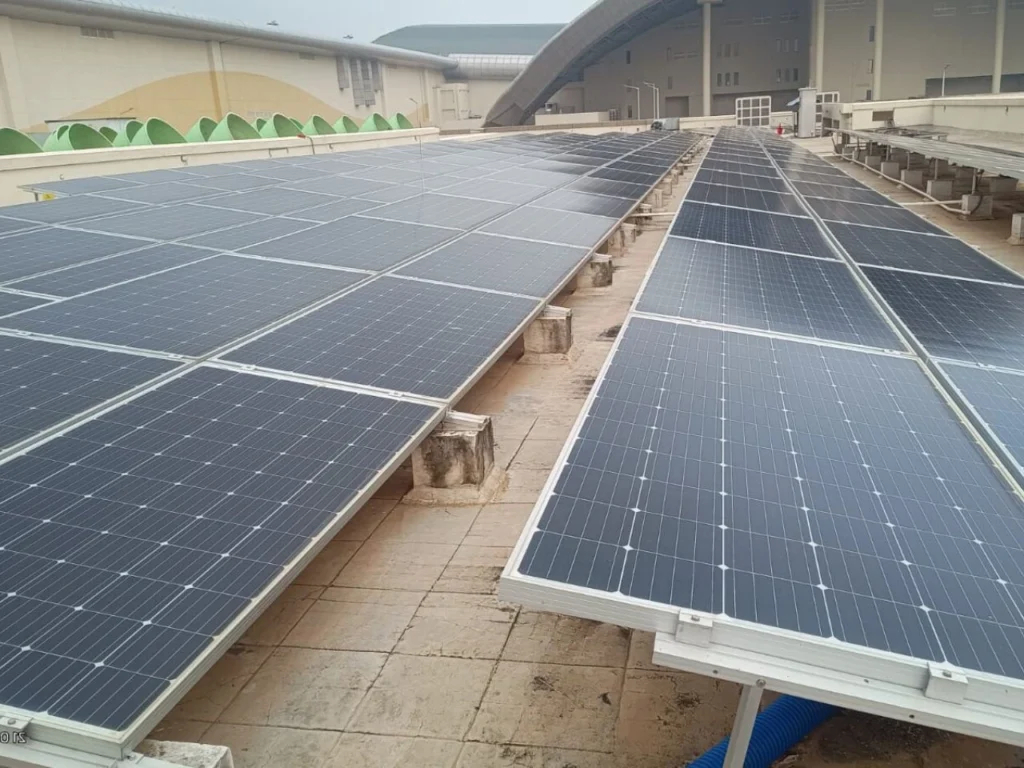
A professional industrial solar EPC India project is not just about installing panels. It involves careful technical and financial planning.
The EPC provider evaluates roof area, load requirement, and available sunlight to determine the optimal system size, usually ranging from 50 kW to several MW.
Warehouse roofs vary in design. The EPC team checks load-bearing capacity to ensure safety and long-term durability.
This includes panel orientation, tilt angle, inverter selection, cable routing, and safety systems.
Reliable solar modules, inverters, and mounting structures are critical for performance and lifespan.
Professional execution ensures minimal disruption to warehouse operations.
Solar EPC for warehouses in India can be implemented under different business models depending on investment capacity.
The warehouse owner invests upfront and owns the solar plant. This offers the highest long-term savings and return on investment.
A third party invests in the solar plant and sells power to the warehouse at a fixed tariff. This requires no upfront cost.
A combination of partial investment and power purchase agreement.
Each model has its own financial and operational implications.
The cost of Solar EPC for warehouses & manufacturing units depends on several factors:
On average, rooftop solar EPC costs for warehouses range between ₹35,000 to ₹55,000 per kW. Prices vary based on project complexity and market conditions.
Despite the initial cost, most warehouse solar projects achieve payback within 3 to 5 years.
India actively promotes rooftop solar adoption through supportive policies.
Key benefits include:
While direct capital subsidies for large warehouses are limited, policy support improves overall project economics.
Choosing commercial solar EPC services delivers multiple advantages beyond electricity savings.
Warehouses can cut electricity costs by up to 70 percent.
Solar protects businesses from future tariff hikes.
Solar systems require minimal upkeep when installed correctly.
Using renewable energy strengthens corporate reputation.
Solar installations add long-term value to warehouse infrastructure.
Selecting the right EPC provider is critical for project success.
Look for:
A credible EPC partner ensures the system performs efficiently for 25 years or more.
With the growth of logistics, cold storage, and e-commerce infrastructure, warehouse energy demand will continue rising. Solar EPC for warehouses in India is expected to play a major role in meeting this demand sustainably.
Technologies like high-efficiency panels, energy storage, and AI-based monitoring will further improve performance and returns.
Approximately 100 square meters are needed for 10 kW of solar capacity, depending on panel efficiency.
Solar can meet a significant portion of daytime energy needs, but grid power or storage may still be required.
Most solar systems last 25 to 30 years with proper maintenance.
Yes, with owner consent or under OPEX models where no ownership changes are required.
Professional EPC providers use non-penetrative mounting to protect roof integrity.
Typically 4 to 8 weeks, depending on system size.
Yes, subject to state electricity regulations.
Periodic panel cleaning and system inspection are usually sufficient.
Solar EPC for Warehouses in India is no longer just an environmental choice. It is a smart business decision that delivers measurable financial returns, operational stability, and sustainability benefits. With the right EPC partner, warehouse owners can turn unused rooftop space into a powerful energy asset.
As electricity costs rise and clean energy adoption accelerates, investing in a professionally executed warehouse solar EPC project positions businesses for long-term success and resilience.