A residential solar panel for home is no longer just an eco-friendly option—it’s becoming a smart financial decision for homeowners across India. With rising electricity costs and increasing awareness about clean energy, many families are turning to solar power systems to reduce bills and gain energy independence.
If you’ve ever looked at your electricity bill and wondered how to cut costs without compromising comfort, solar energy might be the answer. But before making a decision, it’s important to understand how these systems work, their benefits, costs, and whether they’re right for your home.
What is a Residential Solar Panel System?
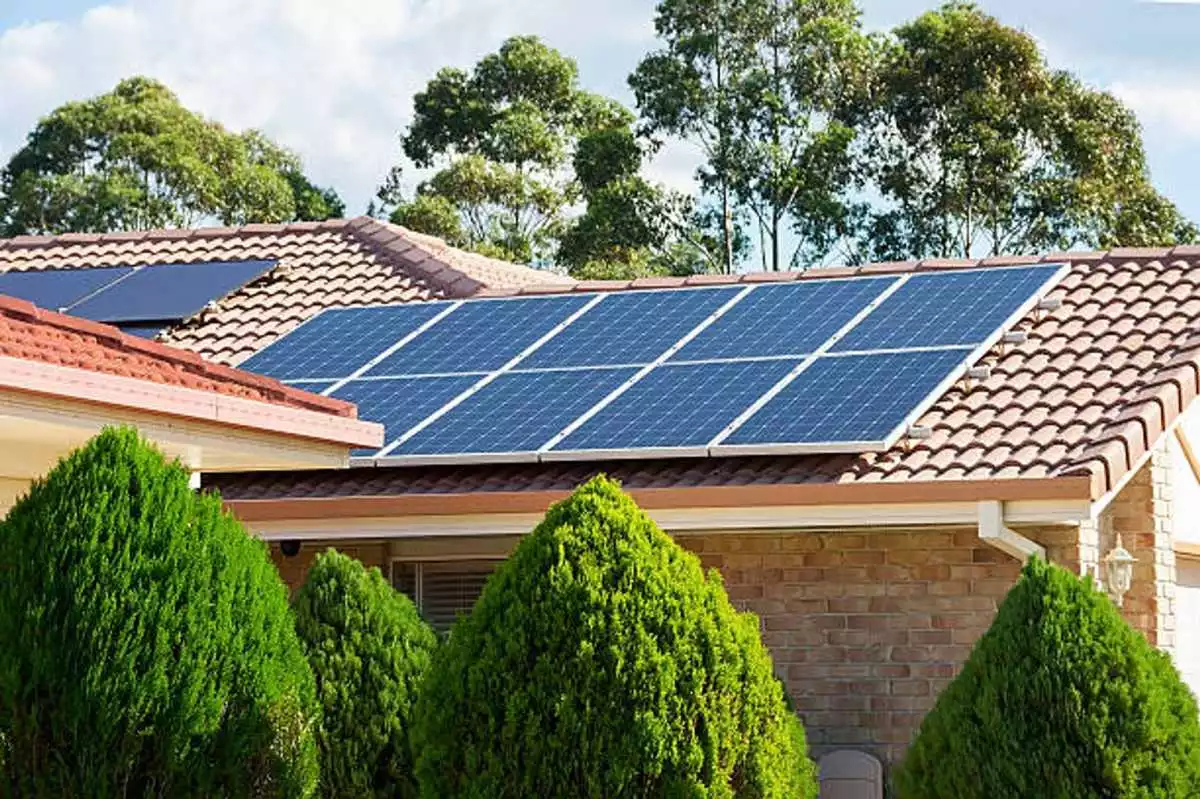
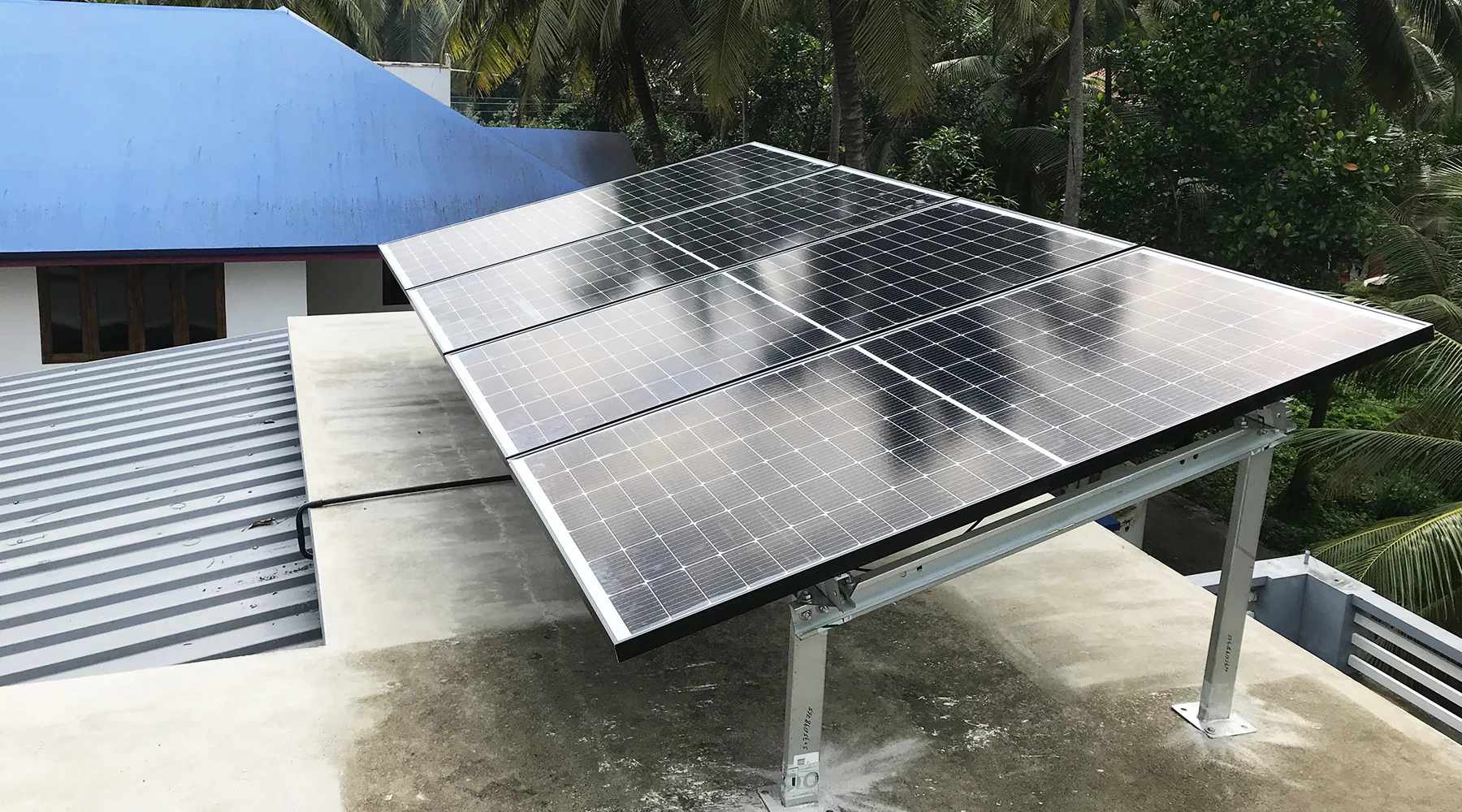
A residential solar panel system is designed to convert sunlight into electricity for your home. These systems are typically installed on rooftops and consist of solar panels, an inverter, mounting structures, and sometimes batteries for energy storage.
The panels capture sunlight and convert it into direct current (DC) electricity. The inverter then converts it into alternating current (AC), which powers your household appliances.
Depending on your setup, you can choose:
-
Grid-tied systems (connected to the electricity grid)
-
Off-grid systems (fully independent)
-
Hybrid systems (combination of both with battery backup)
Why Residential Solar Panels Are Gaining Popularity in India
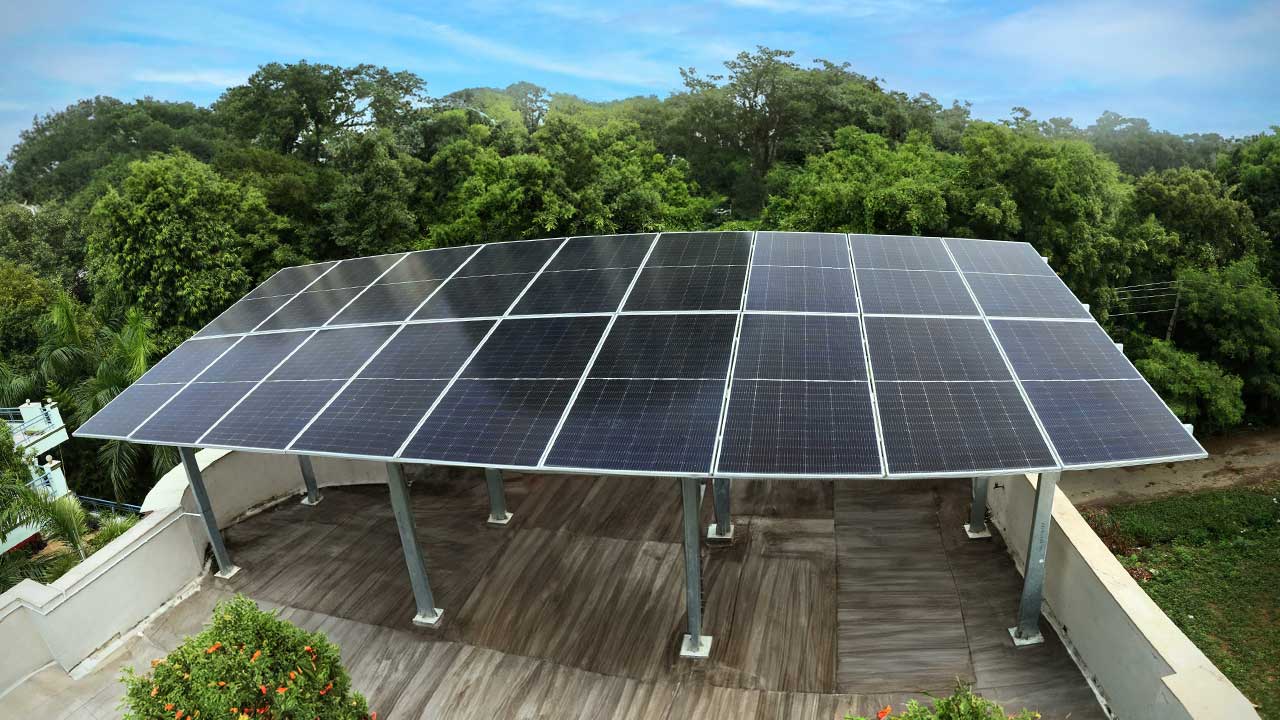
There’s a clear shift happening. Homeowners are moving toward renewable energy solutions not just for environmental reasons but also for long-term savings.
1. Rising Electricity Costs
Electricity tariffs have steadily increased over the years. Installing a home solar system in India helps you lock in your energy cost for decades.
2. Government Subsidies
The Indian government offers subsidies under various schemes, making solar panel installation more affordable for residential users.
3. Environmental Awareness
People are more conscious about reducing their carbon footprint. Solar energy for homes is one of the easiest ways to contribute.
4. Energy Independence
Frequent power cuts in some areas make rooftop solar panels a reliable alternative.
Key Benefits of Installing Residential Solar Panels
1. Significant Cost Savings
Once installed, solar panels drastically reduce your electricity bills. In many cases, homeowners recover their investment within 4–6 years.
2. Low Maintenance
Solar systems require minimal maintenance. Occasional cleaning and annual inspection are usually enough.
3. Increase in Property Value
Homes with solar panel installation often have higher resale value because of lower running costs.
4. Clean and Renewable Energy
Unlike fossil fuels, solar energy doesn’t produce harmful emissions.
5. Long Lifespan
Most solar panels come with a lifespan of 20–25 years, making them a long-term investment.
How Much Does a Residential Solar Panel for Home Cost?
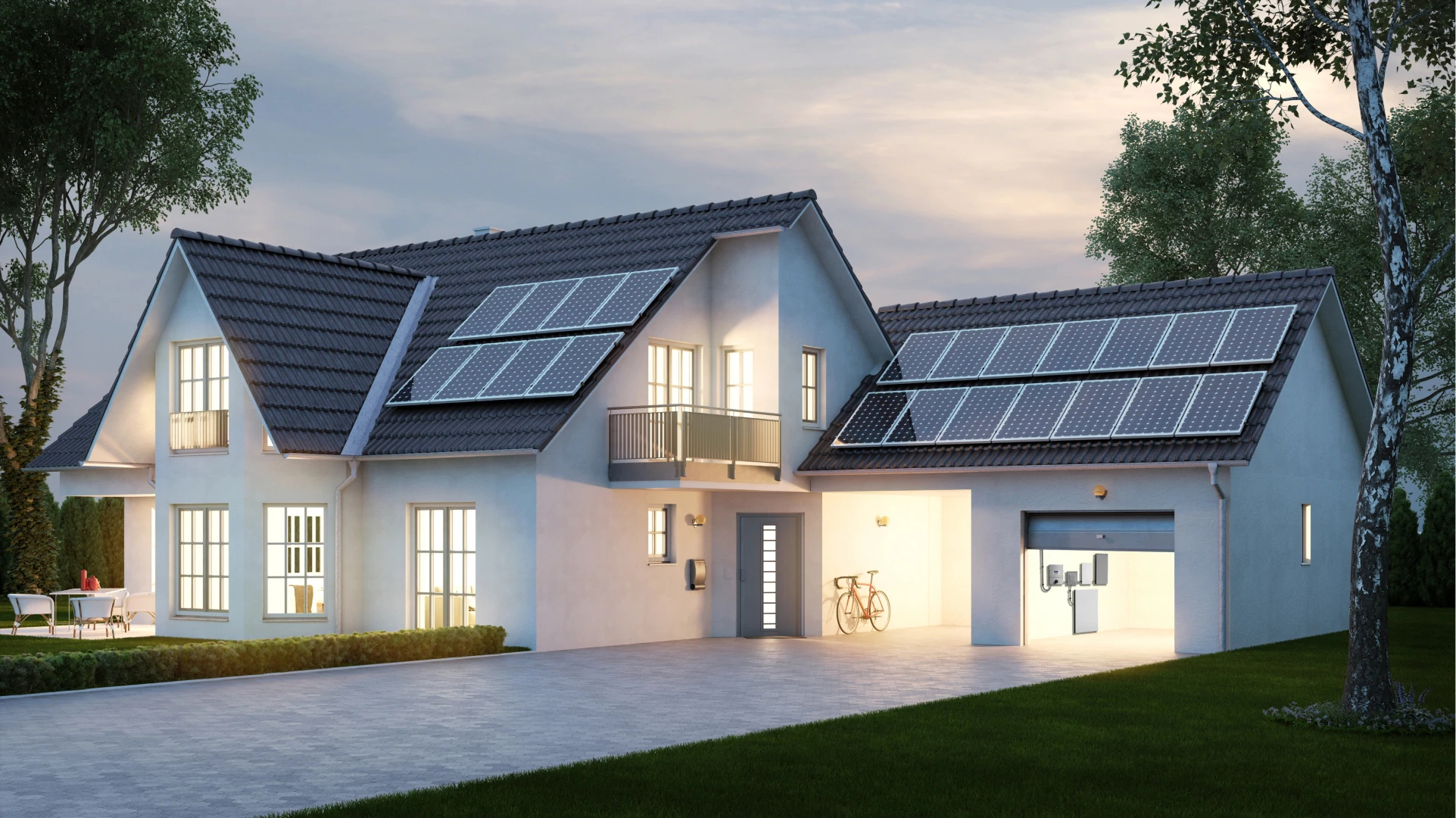
The cost of a residential solar panel for home depends on several factors:
-
System size (1kW, 3kW, 5kW, etc.)
-
Quality of panels and inverter
-
Installation complexity
-
Location and roof type
On average in India:
-
1kW system: Suitable for small households
-
3kW system: Ideal for medium families
-
5kW system: Best for larger homes with higher consumption
Government subsidies can reduce the overall cost significantly, especially for systems up to 10kW.
Choosing the Right Solar System for Your Home
Before installing rooftop solar panels, you should evaluate your needs carefully.
1. Assess Your Electricity Usage
Check your monthly units consumed to determine system size.
2. Roof Space Availability
You need around 80–100 sq. ft. per kW of solar panel installation.
3. Sunlight Exposure
A south-facing roof with minimal shade gives the best output.
4. Budget Planning
Consider upfront cost vs long-term savings.
5. Choose a Reliable Installer
Work with certified professionals to ensure quality and safety.
Types of Solar Panels Used in Residential Systems
1. Monocrystalline Panels
-
High efficiency
-
Longer lifespan
-
Slightly higher cost
2. Polycrystalline Panels
-
More affordable
-
Slightly lower efficiency
3. Thin-Film Panels
-
Lightweight
-
Less common for homes
For most homeowners, monocrystalline panels are becoming the preferred choice due to better performance.
Step-by-Step Solar Panel Installation Process
-
Site Survey & Consultation
-
System Design & Approval
-
Subsidy Application (if applicable)
-
Installation of Panels & Inverter
-
Net Metering Setup
-
System Activation
The entire process usually takes 2–4 weeks, depending on approvals.
Common Mistakes to Avoid
-
Ignoring roof direction and shading
-
Choosing cheap, low-quality panels
-
Not checking warranty and service
-
Skipping proper load calculation
-
Hiring inexperienced installers
Avoiding these mistakes ensures better performance and long-term reliability.
Is Residential Solar Worth It in 2026?
Short answer: Yes.
With rising electricity prices and improved technology, solar power benefits far outweigh the initial investment. A well-installed residential solar solution can generate free electricity for decades.
For most homeowners, the system pays for itself and then continues to save money year after year.
Future of Solar Energy for Homes
The future looks promising. With advancements in battery storage, smart energy systems, and AI-based monitoring, solar energy for homes will become even more efficient and accessible.
In coming years, we can expect:
-
Better efficiency panels
-
Lower installation costs
-
More flexible financing options
-
Increased adoption in urban and rural areas
FAQs (Frequently Asked Questions)
1. How long do residential solar panels last?
Most solar panels last 20–25 years, with performance warranties provided by manufacturers.
2. Can solar panels work during power cuts?
Grid-tied systems shut off during outages unless you have a battery backup or hybrid system.
3. Is maintenance required for solar panels?
Minimal maintenance is required—mainly cleaning dust and occasional inspections.
4. How much roof space is needed?
Approximately 80–100 sq. ft. per kW of installed capacity.
5. Are government subsidies still available in India?
Yes, subsidies are available under national and state-level solar schemes.
6. What is net metering?
It allows you to export excess electricity to the grid and earn credits on your bill.
7. Can I run all home appliances on solar power?
Yes, if your system size is sufficient to meet your electricity needs.
8. What happens during cloudy days?
Solar panels still generate power but at reduced efficiency.
9. Is solar installation safe for rooftops?
Yes, when installed by professionals using proper mounting structures.
10. How soon can I recover my investment?
Typically within 4–6 years, depending on usage and system size.
Conclusion
A residential solar panel for home is more than just an upgrade—it’s a shift toward smarter, cleaner, and more cost-effective living. Whether your goal is to reduce electricity bills, gain energy independence, or contribute to a greener planet, solar energy is a practical solution that delivers long-term value.
With the right planning, proper installation, and quality components, your home can become a self-sustaining energy hub for decades. If you’re still on the fence, now is the right time to explore solar options and take the first step toward a brighter, sustainable future.