

Solar for Cold Storage Industry India, India’s cold storage industry plays a critical role in preserving agricultural produce, pharmaceuticals, dairy, meat, and seafood. However, it is also one of the most power-intensive sectors in the country. Rising electricity tariffs, frequent power cuts, and growing sustainability pressure have made energy management a major challenge. This is where solar for cold storage industry India is emerging as a reliable and cost-effective solution.
Solar energy is no longer an experimental option. It has become a proven power source for cold storage operators who want stable operations, predictable costs, and long-term savings. With India’s high solar potential and supportive government policies, adopting solar power for cold storage is both practical and financially sensible.
Why Energy Cost Is a Major Issue for Cold Storage Units
Cold storage facilities operate 24/7. Compressors, chillers, refrigeration units, and backup systems consume massive amounts of electricity. In many states, industrial power tariffs are among the highest in Asia. Diesel generators used during outages further increase operational costs.
For small and medium cold storage owners, electricity bills can account for 30 to 40 percent of total operating expenses. This directly affects profitability. That is why solar for cold storage industry India is gaining attention as a long-term energy strategy rather than just a cost-saving experiment.
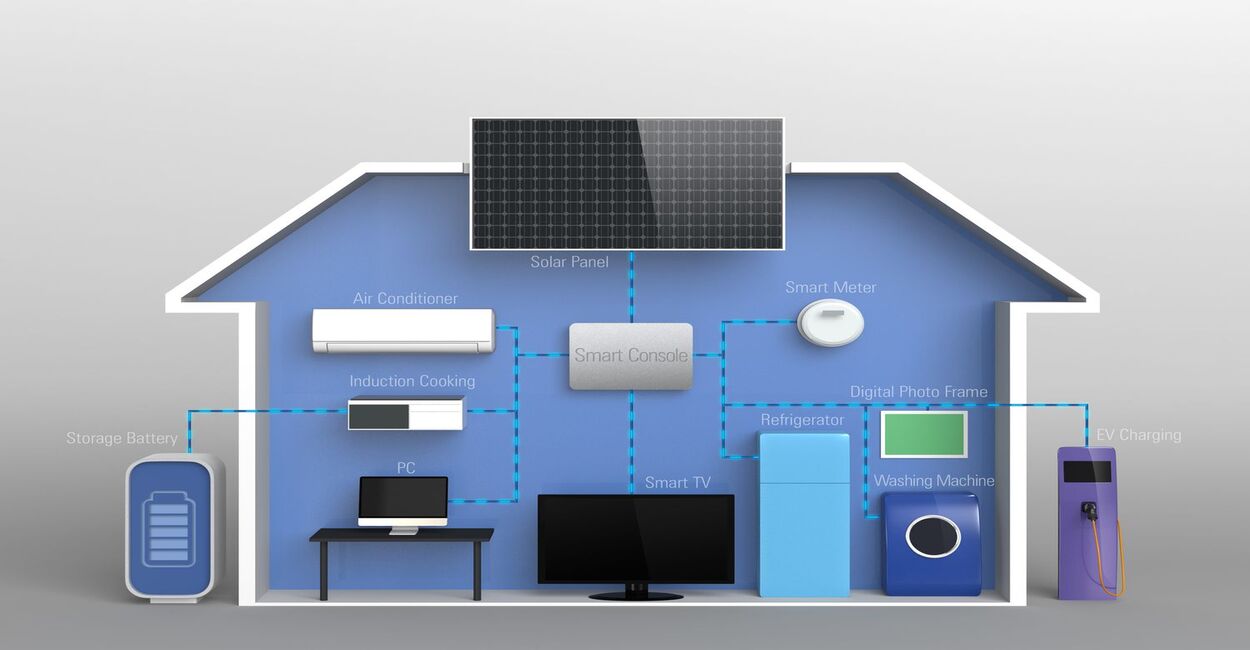
How Solar Power Works for Cold Storage Facilities

Solar power systems for cold storage typically use rooftop or ground-mounted solar panels to generate electricity during daylight hours. This power can be used directly for running refrigeration equipment or stored in batteries for later use.
There are three common configurations used in solar cold storage solutions in India:
-
On-grid solar systems
These are connected to the utility grid. Excess power can be exported through net metering, reducing monthly electricity bills. -
Off-grid solar systems
Suitable for remote areas with unreliable power supply. These systems use battery storage to ensure uninterrupted cooling. -
Hybrid solar systems
A mix of grid power, solar energy, and battery backup. This is the most popular option for medium and large cold storage units.
Each model can be customized based on storage capacity, temperature requirements, and operational hours.
Key Benefits of Solar for Cold Storage Industry in India
Significant Reduction in Electricity Costs
Once installed, solar panels generate electricity at almost zero running cost. Over time, cold storage owners can save lakhs of rupees annually on power bills. Most systems recover their investment within 3 to 5 years.
Reliable Power for Temperature-Sensitive Goods
Solar systems paired with batteries or hybrid setups provide consistent power. This is crucial for preventing spoilage of fruits, vegetables, vaccines, and frozen products.
Protection Against Power Cuts
Many cold storage units are located in semi-urban or rural areas where outages are common. Commercial solar panel installation for cold storage units ensures uninterrupted operations without relying heavily on diesel generators.
Environment-Friendly Operations
Using renewable energy for cold storage reduces carbon emissions significantly. This helps businesses meet ESG goals and attract sustainability-focused clients.
Long Asset Life
Solar panels typically last 25 years or more. This long lifespan makes solar powered cold storage price gurgaon a stable and predictable investment.
Solar Cold Storage and Indian Agriculture
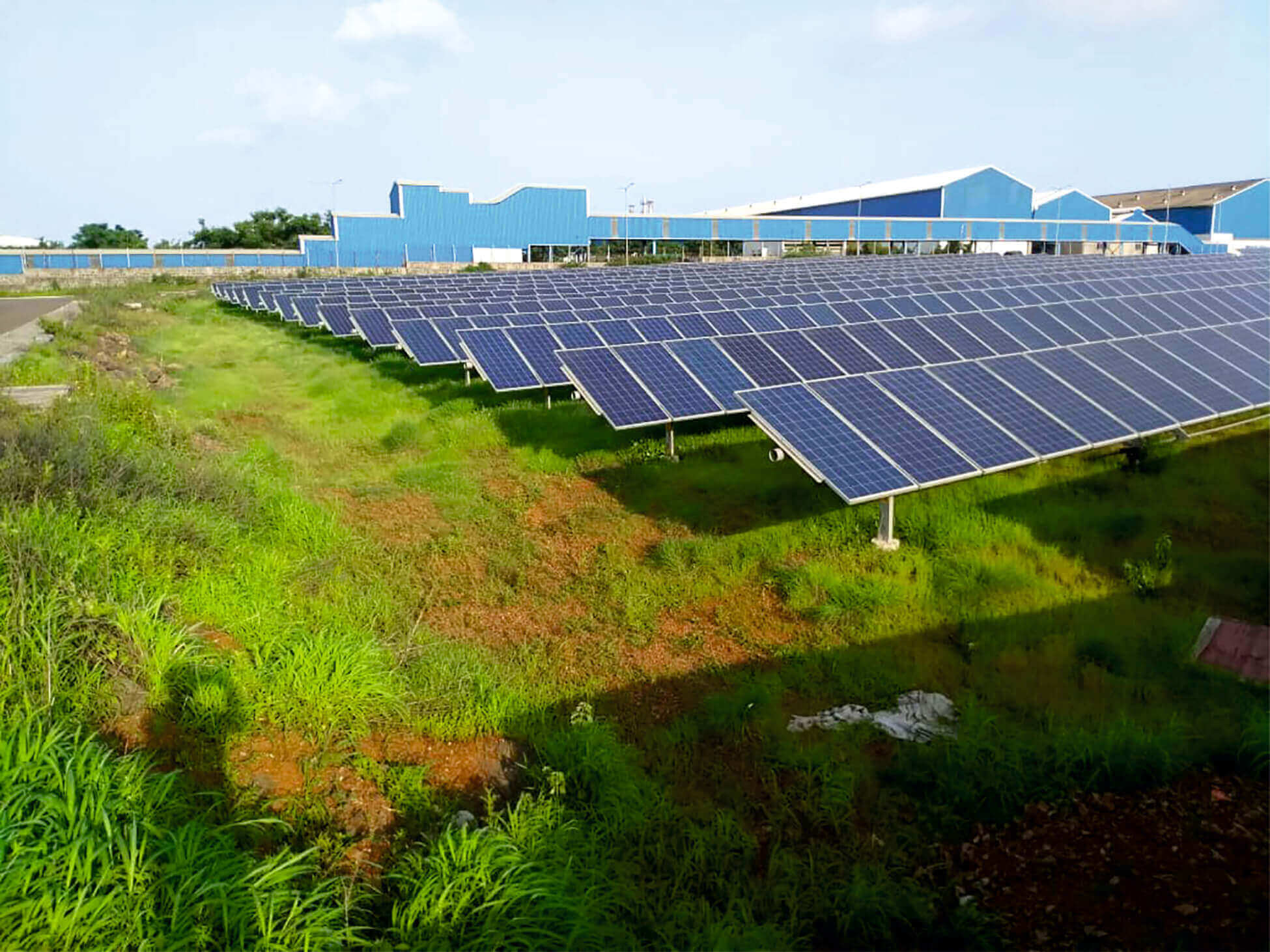
India wastes a large percentage of fruits and vegetables due to inadequate cold storage infrastructure. Solar-powered cold storage units can be deployed closer to farms, reducing post-harvest losses.
Solar cold storage solutions in India are especially useful for:
-
Farmer Producer Organizations (FPOs)
-
Agri-exporters
-
Dairy cooperatives
-
Fisheries and seafood processors
By using solar energy, cold storage becomes economically viable even in off-grid rural locations. This strengthens the agricultural supply chain and improves farmer income.
Government Support and Subsidies in India
The Indian government actively promotes solar adoption across industries. Several schemes support solar for cold storage industry in India, especially in agriculture-linked infrastructure.
Key support measures include:
-
Capital subsidies for solar installations under MNRE schemes
-
State-level incentives for rooftop solar
-
Net metering policies to reduce power bills
-
Priority lending for renewable energy projects
Some states also offer additional benefits for solar-powered cold storage linked to food processing and rural development. These incentives significantly reduce upfront costs.
Cost of Solar Installation for Cold Storage in India
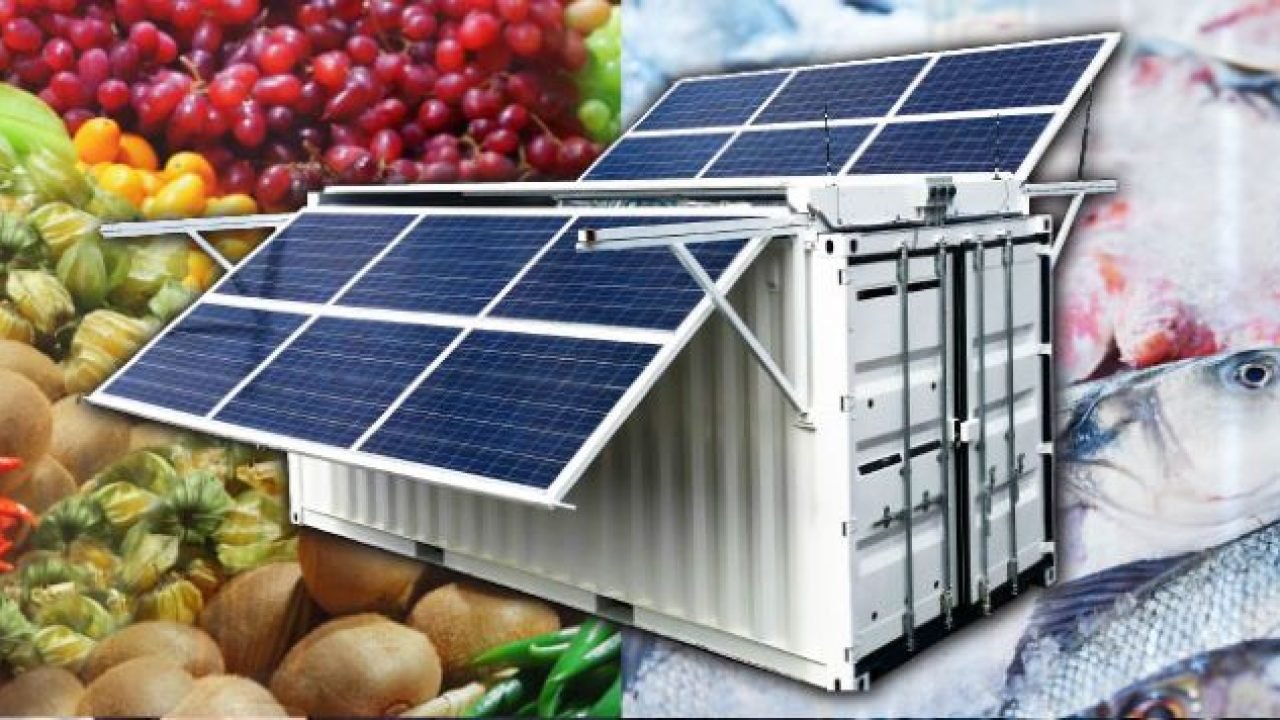
The cost of a solar system depends on:
-
Cold storage capacity (in MT)
-
Required temperature range
-
Operating hours
-
Battery backup requirement
-
Roof or land availability
On average:
-
A small cold storage unit may require a 50 to 100 kW system
-
Medium facilities may need 200 to 500 kW
-
Large warehouses can go beyond 1 MW
While the initial investment may seem high, savings on electricity and diesel make solar energy for refrigeration industry financially attractive over the long term.
Challenges and How to Overcome Them
High Initial Investment
This can be managed through subsidies, bank loans, and solar leasing models.
Space Constraints
Rooftop optimization and high-efficiency panels help generate more power in limited space.
Night-Time Power Requirement
Hybrid systems with battery storage or grid support solve this issue effectively.
With proper system design and professional installation, these challenges are manageable.
Choosing the Right Solar Partner
For successful adoption of solar for cold storage industry India, choosing the right EPC partner is crucial. Look for:
-
Experience in industrial solar projects
-
Understanding of cold storage load patterns
-
Strong after-sales support
-
AMC and performance monitoring services
A well-designed system ensures optimal performance and faster returns.
Future of Solar in Cold Storage Industry
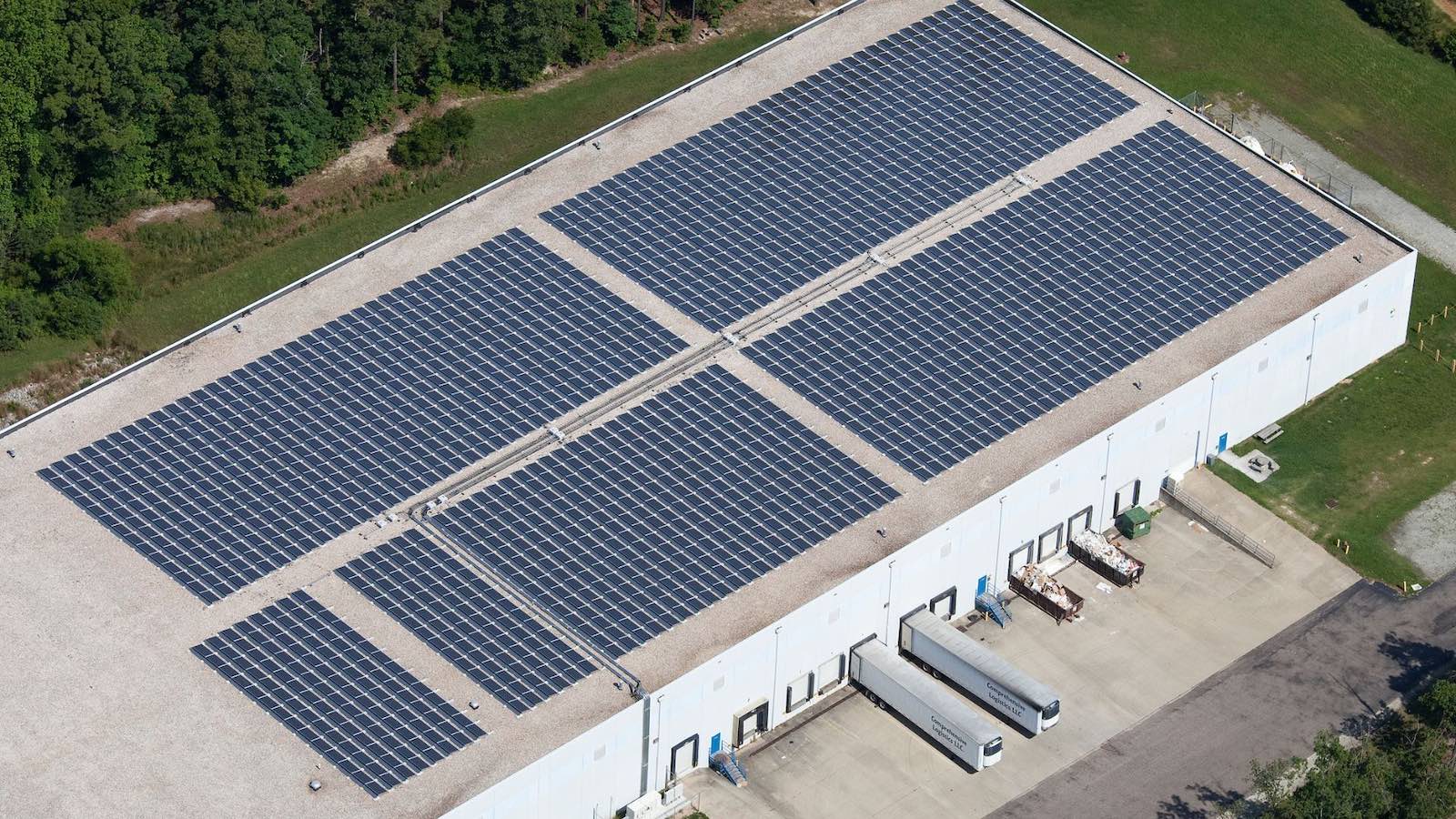
As electricity prices continue to rise and sustainability regulations become stricter, solar power will move from being optional to essential. Advancements in battery technology and energy management systems will further improve efficiency.
In the coming years, solar-powered cold storage will likely become the industry standard across India, especially in agri-linked regions.
Frequently Asked Questions (FAQs)
1. Is solar power reliable for cold storage operations?
Yes, with proper system design and hybrid backup, solar power is highly reliable for continuous cold storage operations.
2. How much can a cold storage save by using solar energy?
Savings typically range from 40 to 70 percent on electricity bills, depending on system size and usage.
3. Can solar run cold storage at night?
Yes, through battery storage or hybrid grid-connected systems.
4. What is the lifespan of a solar system for cold storage?
Solar panels last around 25 years, while inverters and batteries may need replacement earlier.
5. Are subsidies available for solar cold storage in India?
Yes, central and state governments offer subsidies and financial incentives under various schemes.
6. Is solar suitable for large cold storage warehouses?
Absolutely. Many large facilities use megawatt-scale solar plants successfully.
7. Does weather affect solar cold storage performance?
Solar output varies, but systems are designed to handle fluctuations with grid or battery support.
8. How long does installation take?
Most installations are completed within 1 to 3 months, depending on system size.
Conclusion
The adoption of solar for cold storage industry India is no longer just about saving money. It is about energy security, sustainability, and long-term business resilience. With abundant sunlight, falling solar costs, and strong policy support, India offers an ideal environment for solar-powered cold storage.
For cold storage owners, switching to solar means lower operating costs, reliable cooling, reduced carbon footprint, and future-ready operations. Whether for agriculture, pharmaceuticals, or food processing, solar energy is set to power the next generation of cold storage infrastructure in India.