If you are thinking about switching to solar, one of the first questions that comes to mind is simple: What is the residential solar panel price?
It is a fair question. Solar energy sounds attractive, but before you install anything on your roof, you want clear numbers. How much does it cost? What affects the price? Is it actually worth it?
In this detailed guide, we will break down the residential solar panel price, explain the factors that influence it, compare system sizes, and help you understand long-term savings. By the end, you will have a realistic idea of what to expect and how to plan your investment wisely.
What Is the Average Residential Solar Panel Price?
The residential solar panel price depends on several factors, including system size, panel quality, location, and installation complexity.
In 2026, the average cost of a home solar system typically ranges between:
-
$10,000 to $25,000 in the United States (before incentives)
-
₹2.5 lakh to ₹7 lakh in India for a standard 3kW to 5kW system
This includes:
-
Solar panels
-
Inverter
-
Mounting structure
-
Wiring
-
Installation labor
-
Basic monitoring system
The final number can go up or down depending on your electricity usage and the type of system you choose.
Factors That Affect Residential Solar Panel Price
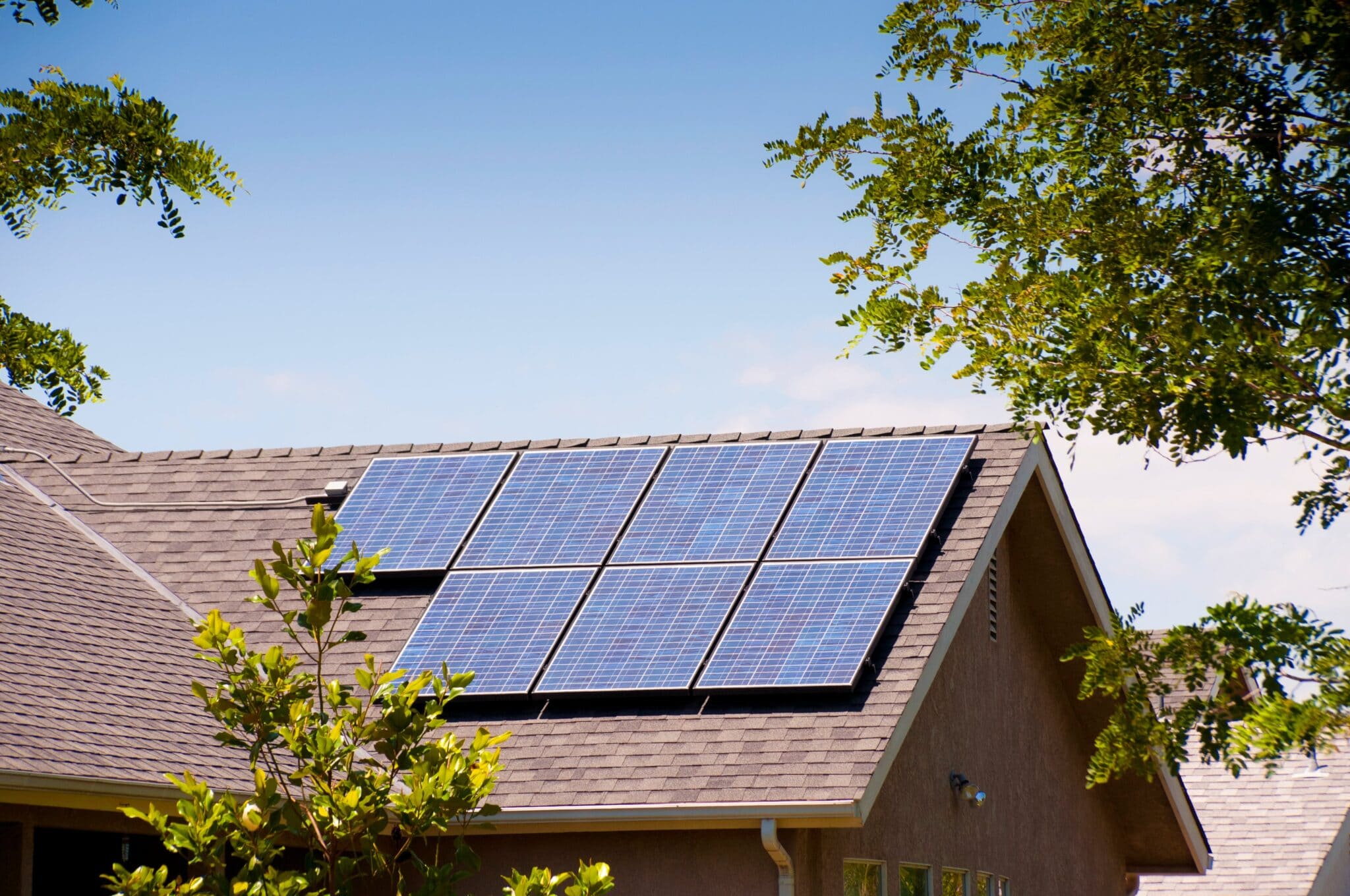
Let’s look at what really influences the residential solar panel price.
1. System Size (kW Requirement)
Your monthly electricity bill determines the size of your system.
-
A small home may need a 3kW solar system
-
A medium-sized home may require 5kW
-
Larger homes with AC units and heavy appliances may need 8kW to 10kW
The larger the system, the higher the home solar system cost.
2. Type of Solar Panels
There are mainly three types:
-
Monocrystalline
-
Polycrystalline
-
Thin-film
Monocrystalline panels are more efficient but cost more. Polycrystalline panels are slightly less efficient but more affordable. Your choice directly impacts the overall rooftop solar price.
3. Solar Inverter Quality
The inverter converts solar energy into usable electricity. You can choose from:
-
String inverter
-
Microinverter
-
Hybrid inverter
Hybrid inverters cost more but allow battery storage integration, which increases the overall solar panel installation cost.
4. Installation Complexity
If your roof is flat, installation is straightforward. If it has multiple slopes or shading issues, labor charges increase.
Structural reinforcements and custom mounting systems can raise the residential solar panel price significantly.
5. Battery Storage (Optional)
Adding batteries can double your project cost. While it provides backup during power cuts, it increases the upfront investment.
Residential Solar Panel Price by System Size
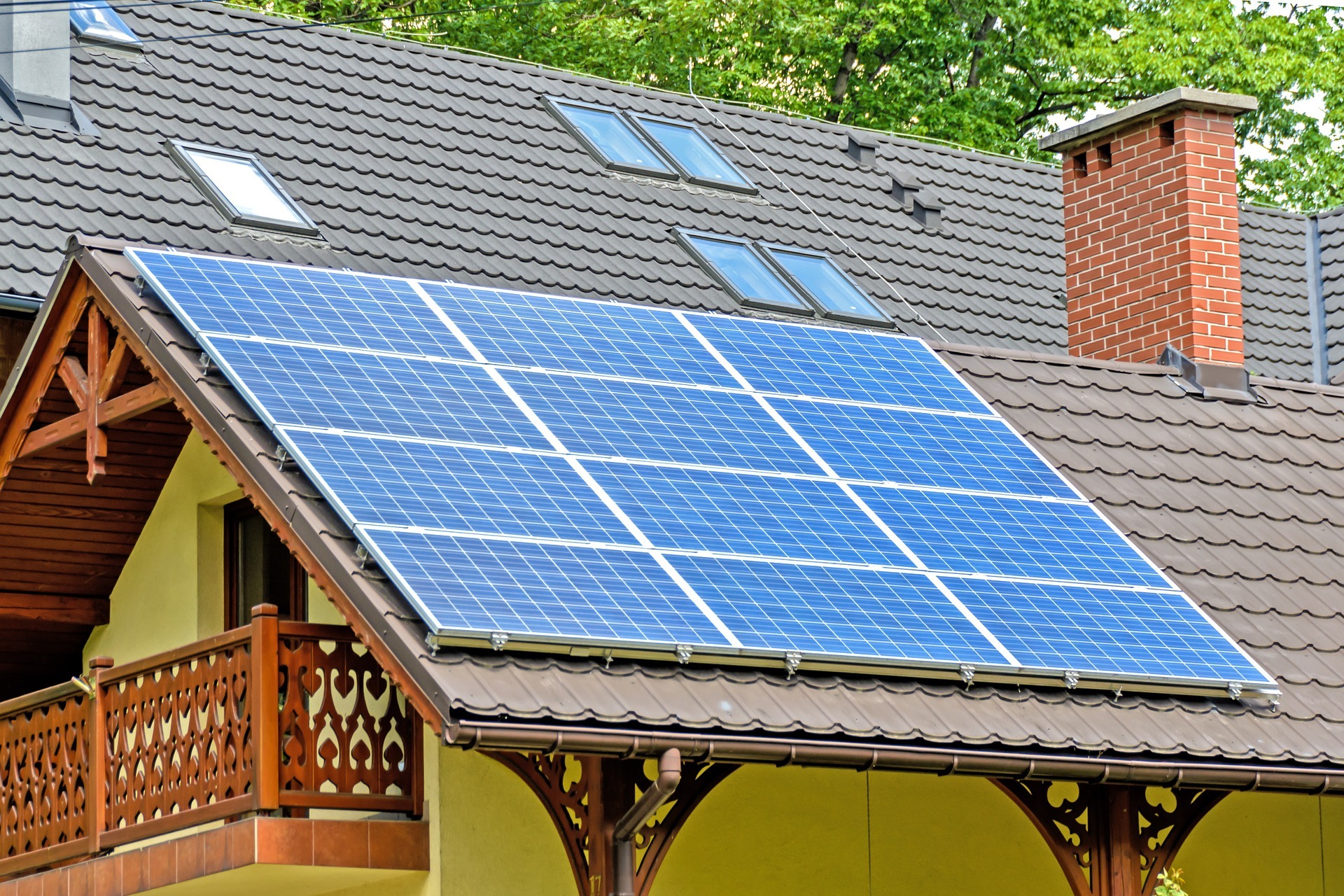
Here is a rough breakdown to help you understand pricing better.
3kW Solar System
-
Suitable for small homes
-
Cost: $8,000 to $12,000 (US)
-
Ideal for basic household appliances
5kW Solar System
-
Most popular choice
-
Cost: $12,000 to $18,000
-
Suitable for families with moderate usage
8kW to 10kW Solar System
-
Large homes
-
Cost: $18,000 to $30,000
-
Covers heavy usage including AC units
These numbers may reduce significantly after applying government benefits or solar subsidy for homeowners.
Government Subsidy and Tax Benefits
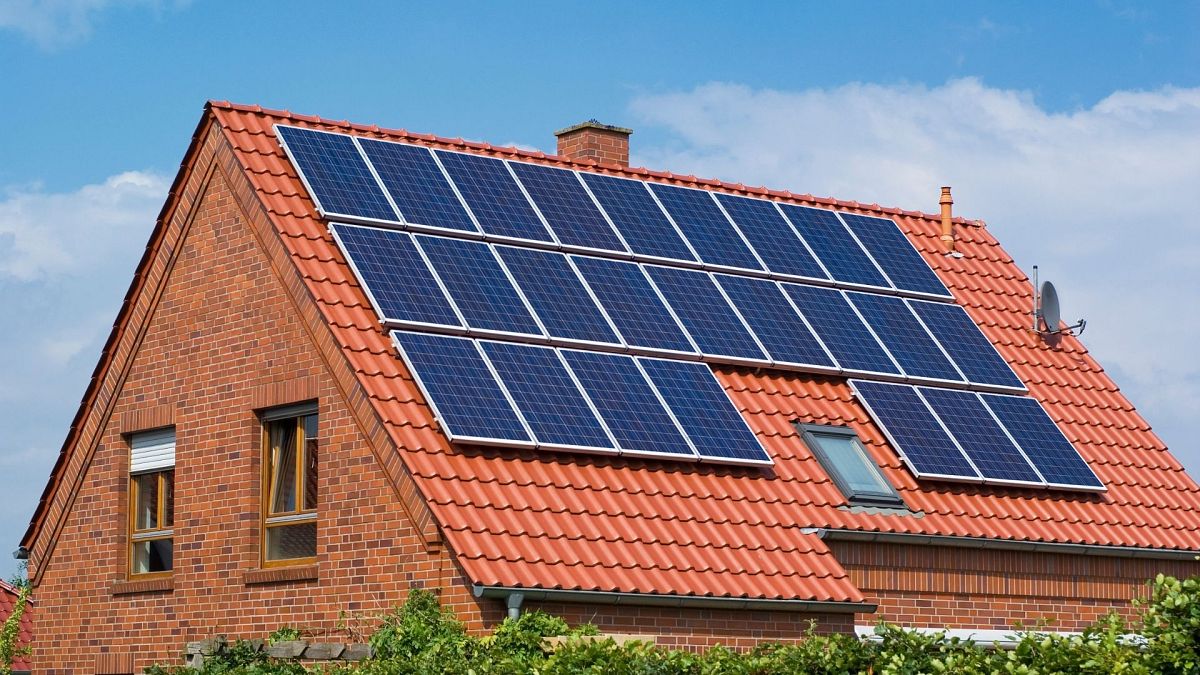
One of the biggest reasons solar adoption is rising is government support.
In the United States
The federal solar tax credit (Investment Tax Credit) allows homeowners to claim a percentage of their installation cost as a tax deduction.
In India
The central government offers solar subsidy for homeowners under rooftop solar programs. Subsidy rates vary depending on system size and state policies.
Subsidies can reduce your residential solar panel price by 20% to 40%, making solar far more affordable.
Is Residential Solar Worth the Investment?
Let’s look at long-term savings.
A typical household spends thousands every year on electricity. With a solar system:
-
Monthly electricity bills drop drastically
-
Net metering allows you to sell extra power back to the grid
-
Property value increases
-
You become less dependent on rising electricity rates
Most homeowners recover their investment in 5 to 8 years. After that, electricity is almost free for the remaining 15 to 20 years of panel lifespan.
When you calculate total savings, the solar system for house often pays for itself multiple times.
Maintenance Costs After Installation
Many people assume maintenance is expensive. That is not true.
Solar panels require:
-
Basic cleaning every few months
-
Occasional inverter servicing
-
Annual inspection
Maintenance costs are usually minimal compared to the long-term savings.
How to Reduce Residential Solar Panel Price
If budget is a concern, here are practical tips:
-
Compare multiple installers
-
Choose the right system size, not oversized
-
Apply for all eligible subsidies
-
Consider financing or EMI options
-
Avoid unnecessary add-ons
Doing proper research can significantly lower your solar panel installation cost.
Financing Options for Homeowners
You do not always have to pay upfront. Many companies offer:
-
Solar loans
-
Zero down payment plans
-
EMI options
-
Power Purchase Agreements (PPA)
These models make the residential solar panel price manageable without heavy initial investment.
Common Mistakes to Avoid
Before installing a solar system, avoid these errors:
-
Ignoring roof condition
-
Choosing the cheapest installer
-
Not checking warranty terms
-
Skipping net metering registration
-
Overestimating energy production
Smart planning ensures you get the best value from your investment.
Frequently Asked Questions (FAQs)
1. What is the average residential solar panel price in 2026?
The average cost ranges between $10,000 and $25,000 in the US, depending on system size and equipment quality.
2. How long do solar panels last?
Most solar panels last 25 to 30 years with minimal performance degradation.
3. Does adding a battery increase the cost significantly?
Yes. Battery storage can increase the total project cost by 30% to 50%, depending on capacity.
4. Can I run AC on a residential solar system?
Yes. A properly sized 5kW or larger system can support air conditioning along with other household appliances.
5. What is the payback period for residential solar?
Typically 5 to 8 years, depending on electricity rates and government incentives.
6. Do solar panels work during cloudy weather?
Yes, but efficiency reduces. They still generate power, just at a lower output.
7. Is maintenance expensive?
No. Basic cleaning and occasional servicing are enough. Maintenance costs are relatively low.
8. Does installing solar increase property value?
In many markets, homes with solar systems sell faster and at higher prices.
Conclusion
Understanding the residential solar panel price is the first step toward making an informed decision. While the upfront investment may seem high, the long-term savings, government incentives, and environmental benefits make it a smart move for most homeowners.
Solar energy is no longer just an eco-friendly option. It is a financial decision. If you choose the right system size, apply available subsidies, and work with a reliable installer, your solar system can deliver decades of reliable and affordable energy.
Before making a final decision, compare quotes, calculate your electricity usage, and evaluate your roof condition carefully. Once done right, a solar system for your house becomes one of the most rewarding investments you can make.