Industries in India are facing constant pressure to control electricity costs while meeting sustainability goals. This is why the Captive Solar Power Plant model has become a preferred choice for factories, manufacturing units, data centers, commercial complexes, and other high-power consumers. It offers reliable energy, lower tariffs, and long-term financial stability without depending fully on the grid.
This detailed guide breaks down everything you need to know about captive solar, including benefits, working models, investment requirements, policies, and long-term returns. You’ll also find insights on open access solar, group captive models, and how companies use solar to reduce operational expenses by 40 to 60 percent.
Table of Contents
-
What Is a Captive Solar Power Plant?
-
How a Captive Solar Model Works
-
Types of Captive Solar Power Models
-
Captive Solar Power Plant vs Rooftop Solar vs Open Access Solar
-
Key Components of a Captive Solar Plant
-
Financial Benefits of Captive Solar
-
Policy & Regulatory Framework in India
-
Steps to Set Up a Captive Solar Power Plant
-
Challenges and Practical Considerations
-
Captive Solar for Factories and Large Commercial Units
-
FAQs
-
Conclusion
What Is a Captive Solar Power Plant?
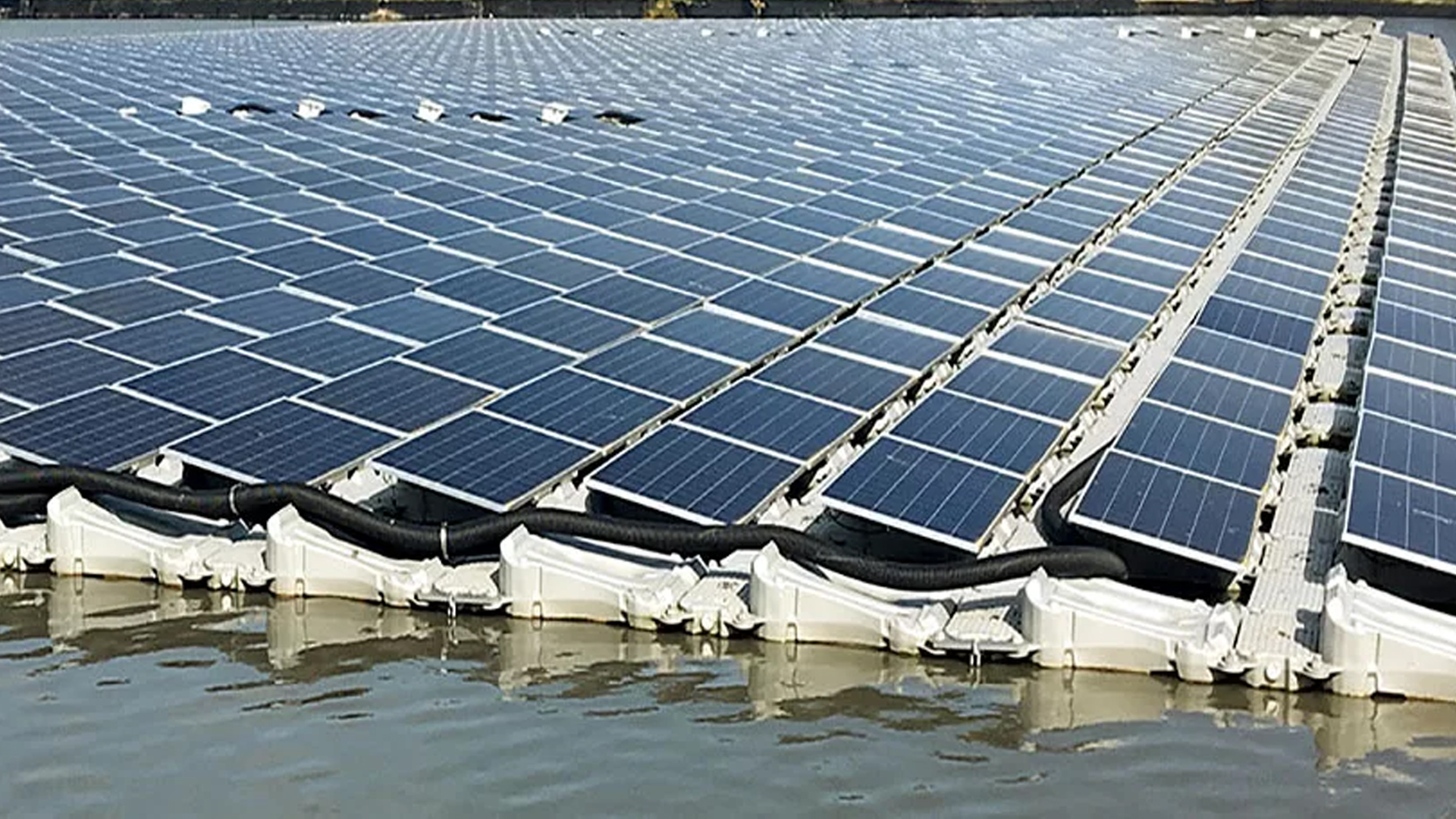
A Captive Solar Power Plant Gurgaon is a solar project where power is generated for the exclusive use of the company that owns or invests in the plant. It can be installed inside the company premises or at an off-site location through the open access solar mechanism.
The Electricity Act clearly defines captive generation as power produced for self-consumption where the user holds at least 26 percent equity and consumes at least 51 percent of the electricity generated.
Why Industries Prefer Captive Solar
Most industries turn to this model because:
-
It reduces electricity bills sharply.
-
It offers tariff stability for 20 to 25 years.
-
It helps companies meet sustainability and ESG goals.
-
It eliminates dependency on fluctuating grid tariffs.
Industries with heavy loads like steel, textiles, pharmaceuticals, automotive, food processing, paper, and chemicals benefit the most.
How a Captive Solar Model Works
The working model of a Captive Solar Power Plants is simple: you either install the plant on your premises or buy land outside the city and set it up there using open access.
Your company can consume the generated energy directly or through wheeling from the grid.
Key Mechanisms
-
Self-owned solar plant
-
Your company invests 100 percent.
-
You own the plant and enjoy all savings.
-
-
Group captive solar model
-
Multiple companies collectively invest in the project.
-
Each company must hold minimum equity.
-
A popular choice for medium-sized industries.
-
-
Hybrid captive model
-
Combines solar with wind or battery storage.
-
Suitable for plants with round-the-clock load.
-
How Power Reaches Your Facility
If the plant is off-site, the power is transmitted through the state grid. Companies pay transmission, wheeling, and banking charges but still save significantly compared to industrial tariffs.
Types of Captive Solar Power Models
This model can be structured in multiple ways based on budget, space availability, and energy demand.
1. On-Site Captive Solar Power Plant
This is installed inside the industry premises. It is ideal for units with:
-
Large rooftops
-
Open land inside the factory
-
Continuous day time load
-
Plans to lower diesel generator usage
2. Off-Site Captive Solar Power Plant
This is built at a different location using the open access solar route. It suits companies with:
-
High electricity consumption
-
Limited roof or land space
-
Multiple factory units in different cities
Group Captive Solar Projects
This is a shared ownership model where different companies invest together. It helps industries avoid CAPEX burden while still enjoying tariff benefits.
Captive Solar vs Rooftop Solar vs Open Access Solar
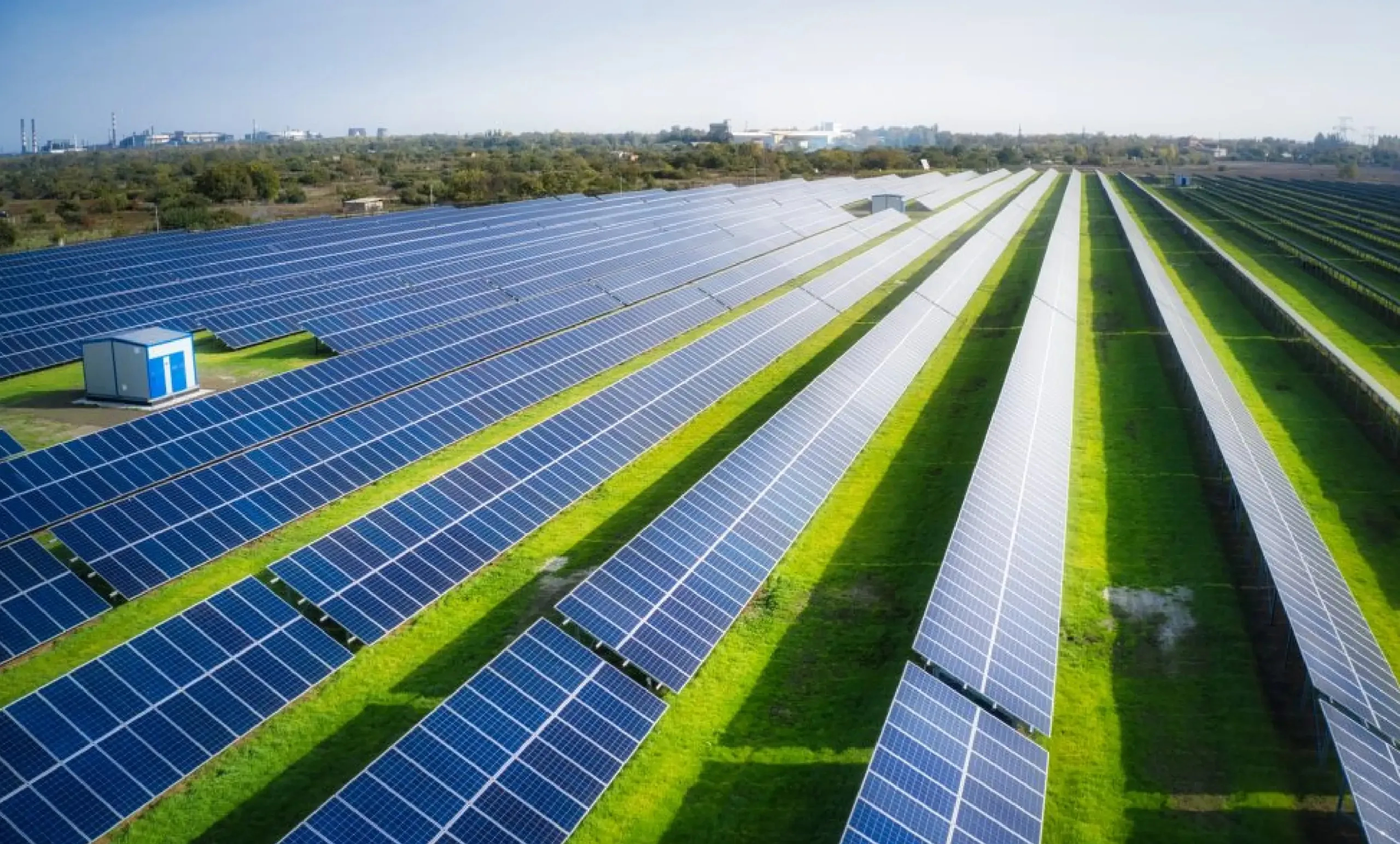
Industries often get confused between these models. Here’s a quick breakdown.
Rooftop Solar
-
Installed on the factory roof
-
No wheeling or banking charges
-
Limited by available rooftop area
Open Access Solar
-
Off-site project
-
Power is wheeled through the grid
-
Useful for large consumption requirements
Captive Solar (On-site or Off-site)
-
You own equity in the plant
-
Tariff drops 40 to 60 percent
-
Best long-term model for industries
Key Components of a Captive Solar Plant
A professionally designed Captive Solar Power Plant EPC Services India includes:
Solar Panels
High-efficiency mono-PERC, TOPCon, or HJT panels ensure long-term output beyond 25 years.
Inverters
String or central inverters convert DC power to AC power. Industrial plants usually prefer central inverters for large capacity.
Mounting Structure
Ground mount or rooftop structures built with hot-dip galvanized steel for long durability.
SCADA and Monitoring
Real-time monitoring helps detect faults early and maintain performance levels.
Transmission Infrastructure
For off-site captive plants, transmission lines, CT/PT meters, and substation infrastructure are essential.
Financial Benefits of Captive Solar Power Plants
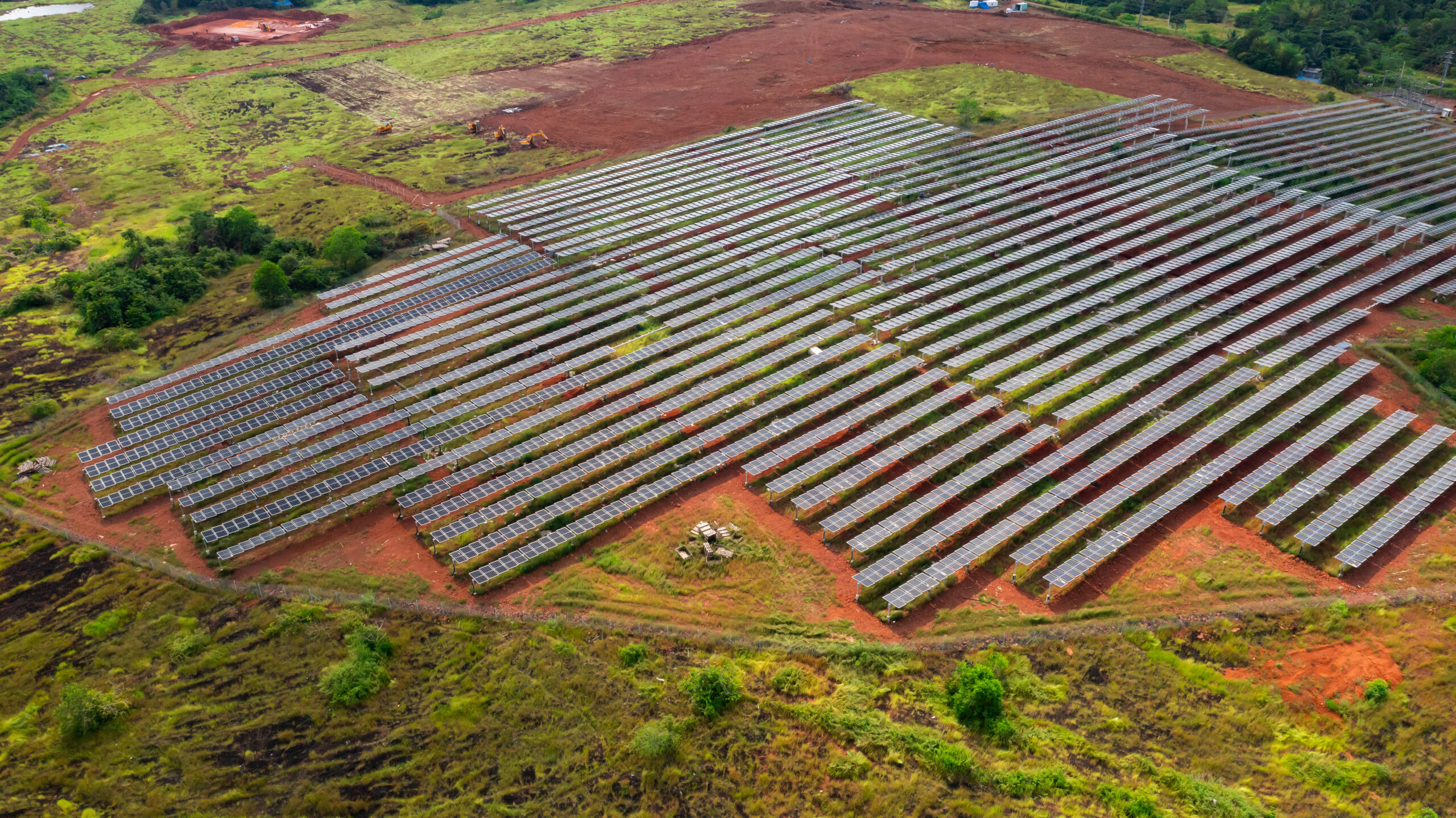
The main reason industries adopt captive solar is long-term cost reduction. Here’s a detailed view.
1. Reduced Electricity Tariffs
Industrial tariffs range between ₹7 and ₹12 per unit depending on the state.
A captive solar plant brings this down to ₹3 to ₹5.
2. Protection from Tariff Hikes
Grid tariffs rise every year. Captive solar gives you predictable energy costs.
3. Long-Term ROI
Most companies recover their investment within 3 to 5 years. After that, energy becomes almost free.
4. Tax Incentives & Depreciation Benefits
Companies enjoy accelerated depreciation under the income tax act, helping reduce CAPEX burden.
5. Savings on DG Fuel Costs
Solar helps reduce diesel generator usage during the day, significantly cutting fuel bills.
Policy & Regulatory Framework in India
Captive solar projects are governed by:
-
Electricity Act, 2003
-
State Electricity Regulatory Commissions
-
Open Access Regulations
-
Renewable Purchase Obligations (RPO)
Ownership Rule
To qualify as a captive project:
-
The consumer must own at least 26 percent equity.
-
The consumer must use at least 51 percent of the generated power.
Charges Applicable
Even though a captive plant saves large costs, the following charges may apply:
-
Transmission charges
-
Wheeling charges
-
Banking charges
-
SLDC fees
Still, the effective tariff remains far lower than grid prices.
Steps to Set Up a Captive Solar Power Plant
Here’s a typical process industries follow.
Step 1: Energy Audit
Understanding your power consumption pattern.
Daily, monthly, and load factor analysis.
Step 2: Project Feasibility & DPR
A Detailed Project Report (DPR) helps assess:
-
Plant size
-
Land requirements
-
Savings
-
Payback period
Step 3: Land Selection (for Off-Site Plants)
A 1 MW solar plant needs roughly 4 to 5 acres of land.
Step 4: EPC Partner Selection
Choose a reputed solar EPC company experienced in captive and open access projects.
Step 5: Approvals & Permits
-
Grid connectivity
-
CEIG approval
-
Open access approvals
-
Metering permissions
Step 6: Construction & Commissioning
The installation process takes around 4 to 6 months depending on project size.
Step 7: Power Delivery to Your Facility
Energy starts flowing to your industry, reducing your reliance on the grid immediately.
Challenges and Practical Considerations
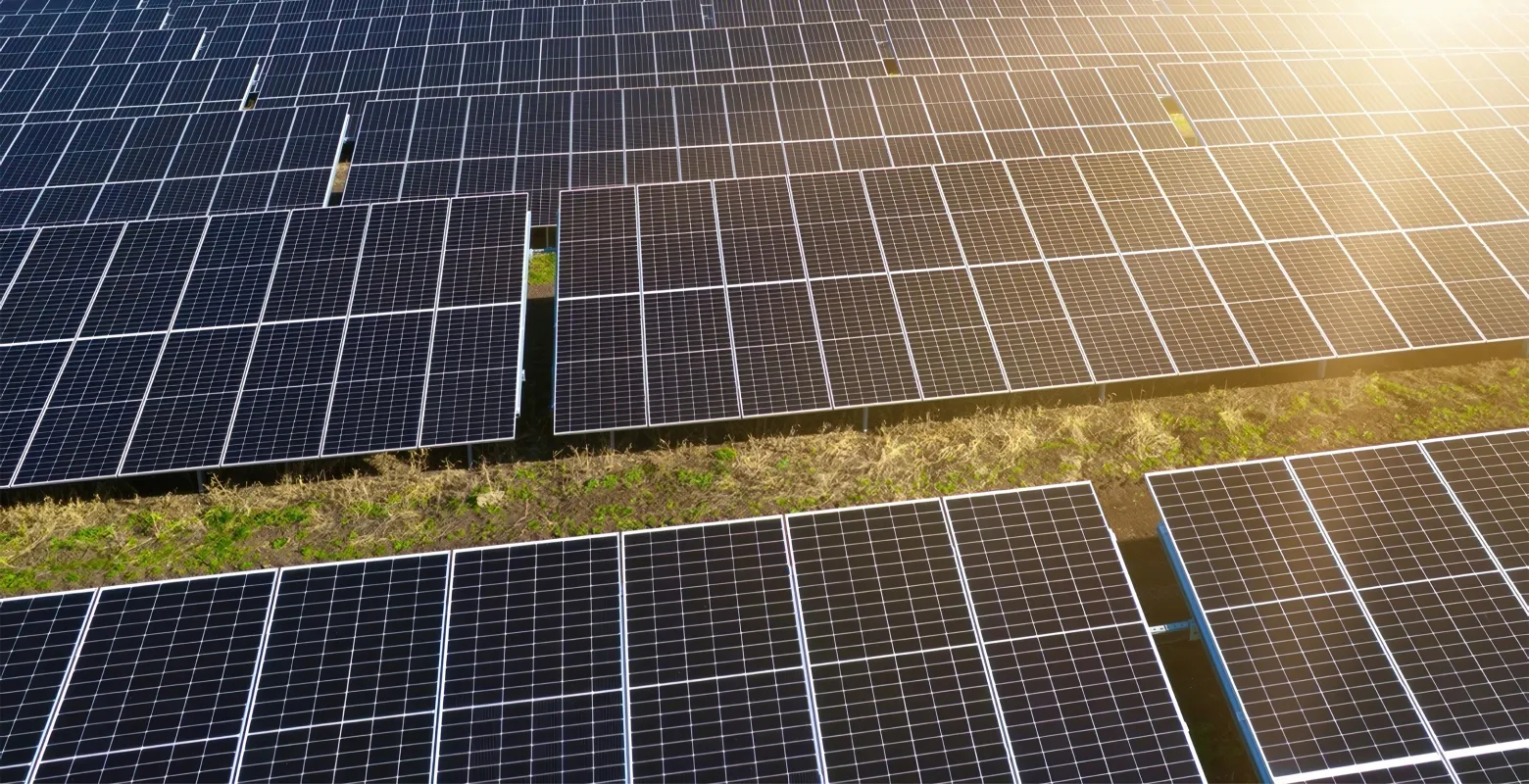
A Captive Solar Power Plant offers huge benefits but companies must plan for a few challenges.
Land Availability
Off-site projects require land in locations with good solar irradiation.
H3: Regulatory Changes
Open access rules may change with time. Work with EPC firms that understand local regulations.
Initial Investment
Upfront CAPEX is required unless you choose a group captive model.
Transmission Infrastructure
Long distances increase transmission costs. Strategic site selection is necessary.
Captive Solar for Factories and Large Commercial Units
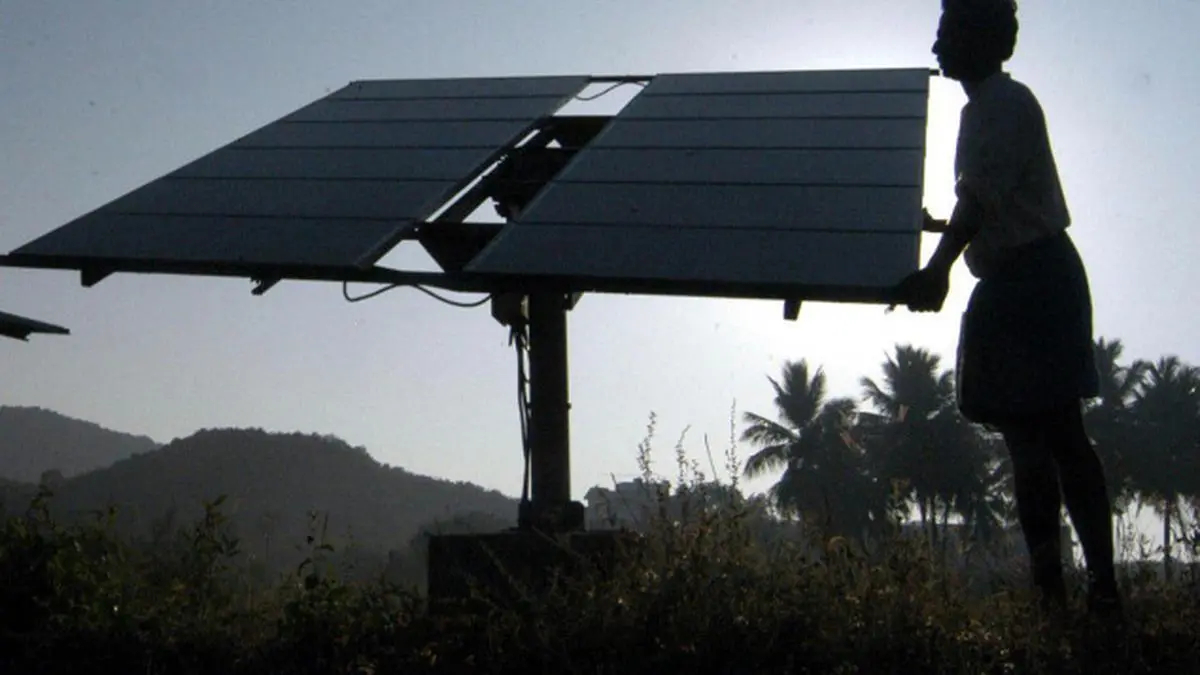
Industries with high electricity demand—manufacturing, cement, steel, automotive, pharmaceuticals, cold storage, food processing—are the best fit.
Benefits for Factories
-
Stable power supply
-
Lower production costs
-
Reduced DG usage
-
Higher sustainability ratings
-
Long-term operational savings
Benefits for Commercial Complexes
-
Lower monthly electricity bills
-
Common area load management
-
Improved property value
-
Compliance with green building norms
FAQs on Captive Solar Power Plants
1. What is the difference between captive solar and group captive solar?
Captive solar is owned mostly by a single company. Group captive involves multiple companies investing together.
2. How much does a 1 MW captive solar plant cost?
A 1 MW plant usually costs ₹4 to ₹5.5 crore depending on technology and location.
3. Can industries install captive solar without owning land?
Yes. They can use leased land or participate in group captive projects.
4. How much area is needed for 1 MW?
Around 4 to 5 acres for ground mount installations.
5. Is open access compulsory for captive solar?
Only for off-site projects. On-site captive does not require open access.
6. How long is the payback period?
Most companies recover their investment within 3 to 5 years.
7. Do captive solar plants need batteries?
Not usually. Batteries increase cost and are used only when 24×7 power is needed.
8. Are there tax benefits?
Yes, industries can claim accelerated depreciation, reducing the overall investment burden.
9. Is captive solar suitable for small businesses?
Yes, especially through the group captive model.
10. What is the lifespan of a captive solar power plant?
Most plants run for 25 years or more with proper maintenance.
Conclusion
A Captive Solar Power Plant is one of the most effective ways for industries to cut down electricity expenses and reduce carbon emissions. The model gives businesses ownership, long-term tariff control, and significant financial savings. Whether installed on-site or off-site through open access solar, captive systems provide predictable power at lower costs compared to the grid.
For companies thinking about future expansion, sustainability goals, and operational efficiency, captive solar is no longer optional. It’s becoming a strategic investment for long-term competitiveness.