

With rising electricity costs and strong government support for renewable energy, investing in a 1 MW solar power plant in India has become an attractive option for businesses, landowners, and investors. Whether you plan to sell power to DISCOMs or use it for captive consumption, understanding the exact cost, returns, and technical requirements is essential before taking a decision.
This detailed guide explains everything you need to know about the 1 MW solar power plant cost in India, including component-wise pricing, land requirements, government subsidies, ROI, and long-term benefits.
What Is a 1 MW Solar Power Plant?
A 1 MW (megawatt) solar power plant is a utility-scale or commercial solar installation capable of generating approximately 14 to 16 lakh units (kWh) of electricity per year, depending on location and sunlight availability.
Such plants are commonly installed by:
-
Industrial units for captive use
-
Independent Power Producers (IPPs)
-
Commercial solar developers
-
Farmers and landowners
In India, both ground-mounted solar plants and rooftop solar systems can reach 1 MW capacity, though ground-mounted setups are more common.
1 MW Solar Power Plant Cost in India (2026)
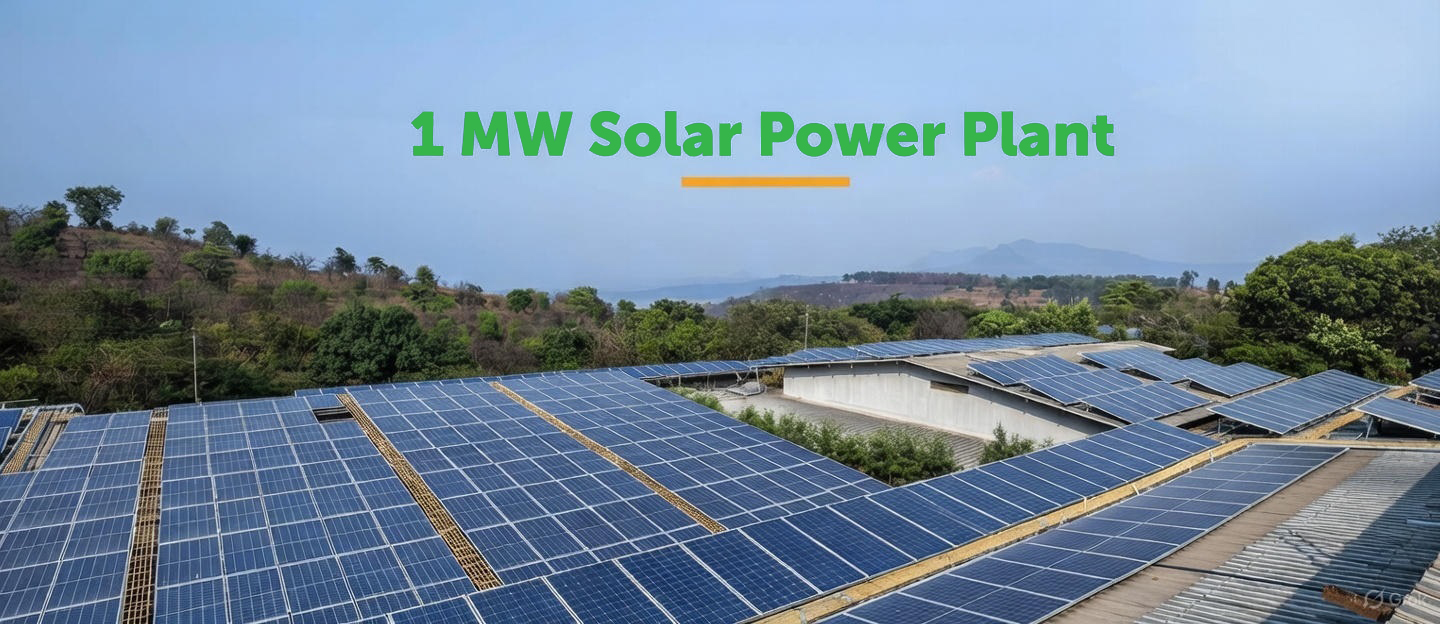
The average 1 MW solar power plant cost in India ranges between:
₹4 crore to ₹5.5 crore
The final cost depends on multiple factors such as panel quality, inverter brand, land cost, evacuation infrastructure, and EPC services.
Estimated Cost Breakdown
| Component | Approximate Cost |
|---|---|
| Solar Panels | ₹2.2 – ₹2.8 crore |
| Inverters | ₹35 – ₹50 lakh |
| Mounting Structures | ₹30 – ₹45 lakh |
| DC & AC Cables | ₹20 – ₹30 lakh |
| Transformers & HT Panel | ₹25 – ₹40 lakh |
| SCADA & Monitoring | ₹10 – ₹15 lakh |
| Installation & EPC | ₹40 – ₹60 lakh |
| Engineering & Approvals | ₹10 – ₹20 lakh |
This pricing applies to commercial solar power plant cost India standards using Tier-1 solar modules.
Land Requirement for a 1 MW Solar Plant
A ground-mounted 1 megawatt solar plant typically requires:
-
4 to 5 acres of land
-
Flat or slightly sloped terrain
-
Good solar irradiance
-
Easy access to transmission lines
Land cost is not included in the basic solar power plant installation cost and varies widely by state.
Electricity Generation from 1 MW Solar Plant

Electricity output depends on geographic location, panel efficiency, and system design.
Average Annual Generation:
-
North India: 14 – 15 lakh units
-
Central India: 15 – 16 lakh units
-
South India: 16 – 17 lakh units
This generation capacity makes utility scale solar plants in India financially viable for long-term returns.
Revenue and ROI from 1 MW Solar Power Plant
Power Sale Revenue
If electricity is sold at ₹4.50 per unit:
-
Annual revenue: ₹65 – ₹72 lakh
Captive Consumption Savings
Industries paying ₹7–9 per unit can save:
-
₹1 crore+ annually on electricity bills
ROI & Payback Period
-
Payback period: 4 to 6 years
-
Plant lifespan: 25+ years
-
Internal Rate of Return (IRR): 14%–20%
After the payback period, the electricity generated is almost free, making solar a highly profitable investment.
Government Subsidy for 1 MW Solar Power Plant
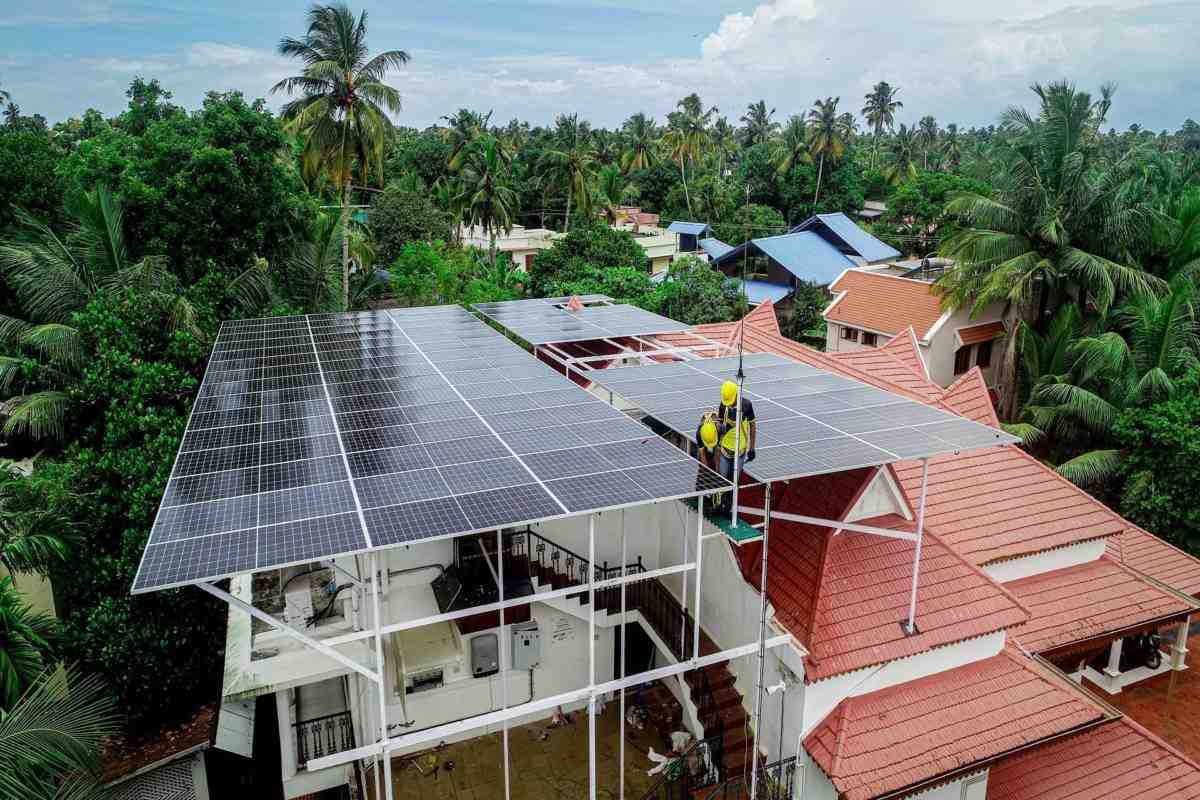
Currently, government subsidy is not available for large-scale commercial solar plants above rooftop limits. However, investors benefit from:
-
Accelerated Depreciation (40%)
-
GST benefits on certain components
-
State-level incentives and net metering
-
Open access benefits in many states
These policies significantly reduce the effective 1 MW solar power plant cost in India over time.
Types of 1 MW Solar Power Plants
1. Ground-Mounted Solar Plant
-
Higher efficiency
-
Best for landowners and IPPs
-
Higher upfront cost
2. Rooftop Solar Plant
-
Ideal for factories and warehouses
-
Saves land cost
-
Slightly higher installation complexity
3. Captive Solar Power Plant
-
Used for self-consumption
-
Reduces dependency on grid power
-
Strong long-term savings
Factors Affecting 1 MW Solar Plant Cost
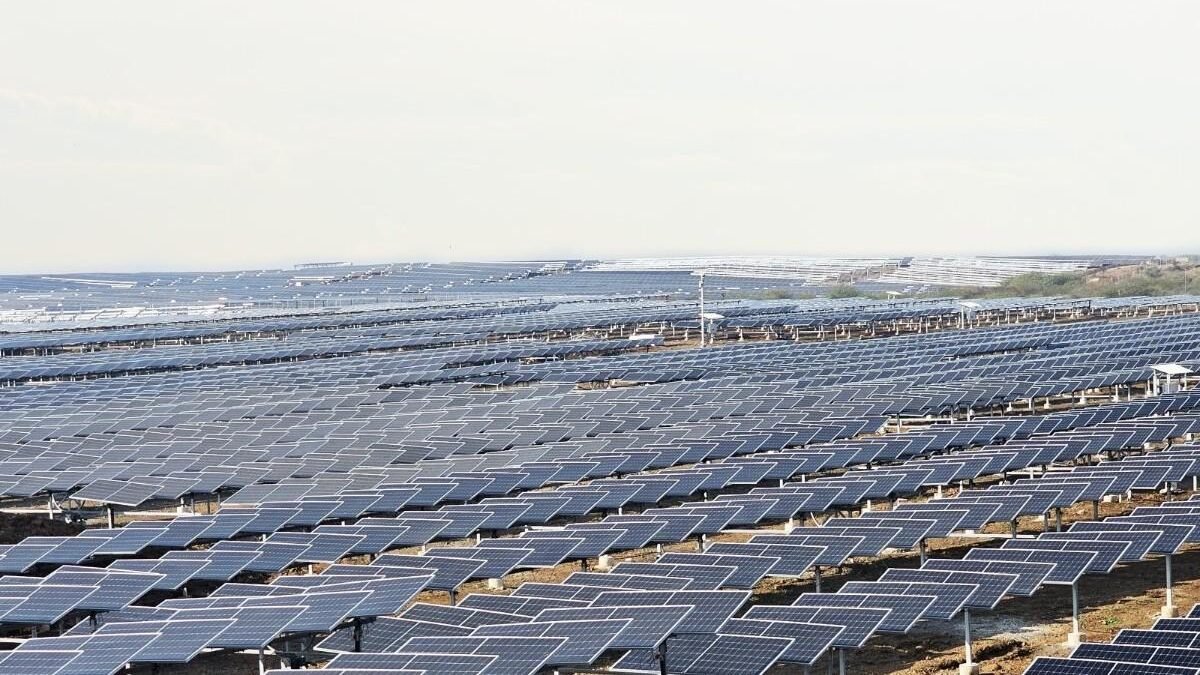
Several variables influence the final solar power plant installation cost:
-
Solar panel type (Mono PERC, TOPCon, Bifacial)
-
Inverter quality and redundancy
-
Tracking system vs fixed structure
-
Distance to substation
-
State electricity regulations
-
EPC contractor experience
Choosing reliable EPC partners is crucial to avoid hidden costs and performance losses.
Maintenance Cost of 1 MW Solar Power Plant
Annual operations and maintenance (O&M) cost is relatively low:
-
₹6 – ₹10 lakh per year
-
Includes panel cleaning, inverter servicing, monitoring, and security
With proper maintenance, a solar plant maintains over 80% efficiency even after 25 years.
Environmental Benefits of 1 MW Solar Plant
Apart from financial gains, solar power contributes to sustainability:
-
Reduces 1,400–1,600 tons of CO₂ annually
-
Low water consumption
-
Supports India’s renewable energy targets
-
Enhances corporate ESG ratings
FAQs: 1 MW Solar Power Plant Cost in India
1. What is the total cost of a 1 MW solar power plant in India?
The total cost typically ranges between ₹4 crore and ₹5.5 crore, excluding land cost.
2. How much electricity does a 1 MW solar plant produce daily?
On average, it generates 4,000 to 4,500 units per day depending on location.
3. Is a 1 MW solar plant profitable in India?
Yes, it offers strong ROI with a payback period of 4 to 6 years and long-term profits.
4. How much land is required for a 1 MW solar power plant?
Approximately 4 to 5 acres of land is required for a ground-mounted system.
5. Can I get a loan for installing a 1 MW solar plant?
Yes, most banks and NBFCs offer solar project financing with 70–80% funding.
6. What is the lifespan of a 1 MW solar plant?
Solar panels last 25–30 years, while inverters may need replacement after 10–12 years.
7. Does a 1 MW solar plant need batteries?
No, grid-connected plants usually do not require batteries, reducing overall cost.
8. Which states are best for installing 1 MW solar plants?
Rajasthan, Gujarat, Maharashtra, Karnataka, and Telangana are top choices due to high solar irradiance.
Conclusion
Investing in a 1 MW solar power plant in India is a smart long-term decision for businesses and investors seeking stable returns, energy independence, and environmental responsibility. While the initial cost may seem high, the combination of low operating expenses, strong government support, and rising electricity tariffs makes solar power financially compelling.
With proper planning, reliable EPC partners, and the right location, a 1 MW solar plant can generate consistent income for over two decades. As India continues its transition toward renewable energy, solar power remains one of the most secure and future-ready investments available today.