Industrial units are under constant pressure to reduce energy costs, improve operational efficiency, and meet sustainability standards. With rising power tariffs and the growing need for clean energy, turnkey solar EPC solutions for factories have become one of the most practical and financially rewarding choices for manufacturers across India.
A turnkey EPC (Engineering, Procurement, and Construction) model helps factories shift to solar energy without taking on technical, regulatory, or execution burdens. The EPC partner handles everything from design to commissioning, giving industrial owners a simplified, reliable, and cost-effective route to renewable power.
This guide explains how turnkey solar EPC solutions work, why factories prefer EPC-based setups, the costs involved, ROI expectations, components, government policies, and much more.
Let’s walk through everything step by step.
Table of Contents
-
Introduction to Turnkey Solar EPC Solutions
-
Why Factories Are Rapidly Adopting Solar Power
-
What Does “Turnkey Solar EPC” Mean?
-
Key Components of Turnkey Solar EPC Solutions for Factories
-
System design
-
Procurement
-
Construction & installation
-
Testing & commissioning
-
O&M services
-
-
Benefits of Turnkey Solar EPC Solutions for Industrial Units
-
Types of Factory Solar Installations (Rooftop, Ground-Mounted, Carport)
-
Cost of Industrial Solar EPC Projects in India
-
Government Policies and Subsidies for Factories
-
How to Select the Right Solar EPC Company
-
Challenges in Industrial Solar Projects and How EPC Contractors Handle Them
-
Long-term savings and ROI for factories
-
Conclusion
-
FAQs
1. Introduction to Turnkey Solar EPC Solutions

Energy costs make up a major share of operational expenses in manufacturing and heavy-industry sectors. Traditional electricity prices rise every year, and diesel-based generators add further financial pressure. This is why industries are turning to industrial solar systems that offer stable, long-term power at predictable costs.
Turnkey solar EPC solutions for factories allow plant owners to adopt solar power without needing technical expertise. With a single contractor responsible for engineering, procurement, installation, and commissioning, the entire industrial solar project becomes easier, faster, and more reliable.
Whether it’s a textile unit, automotive plant, food-processing factory, metal workshop, or chemical industry, solar energy has become essential for cutting costs and improving sustainability.
2. Why Factories Are Rapidly Adopting Solar Power

Factories consume large amounts of electricity throughout the day. Solar power offers a clean and cost-effective alternative to grid electricity and diesel generators. Some reasons manufacturing units prefer solar:
-
Reduced electricity bills for 25+ years
-
Quick payback period (3–4 years for industrial solar)
-
Protection against future tariff hikes
-
Improved brand reputation
-
Support for ESG and sustainability goals
-
Less dependence on diesel and grid outages
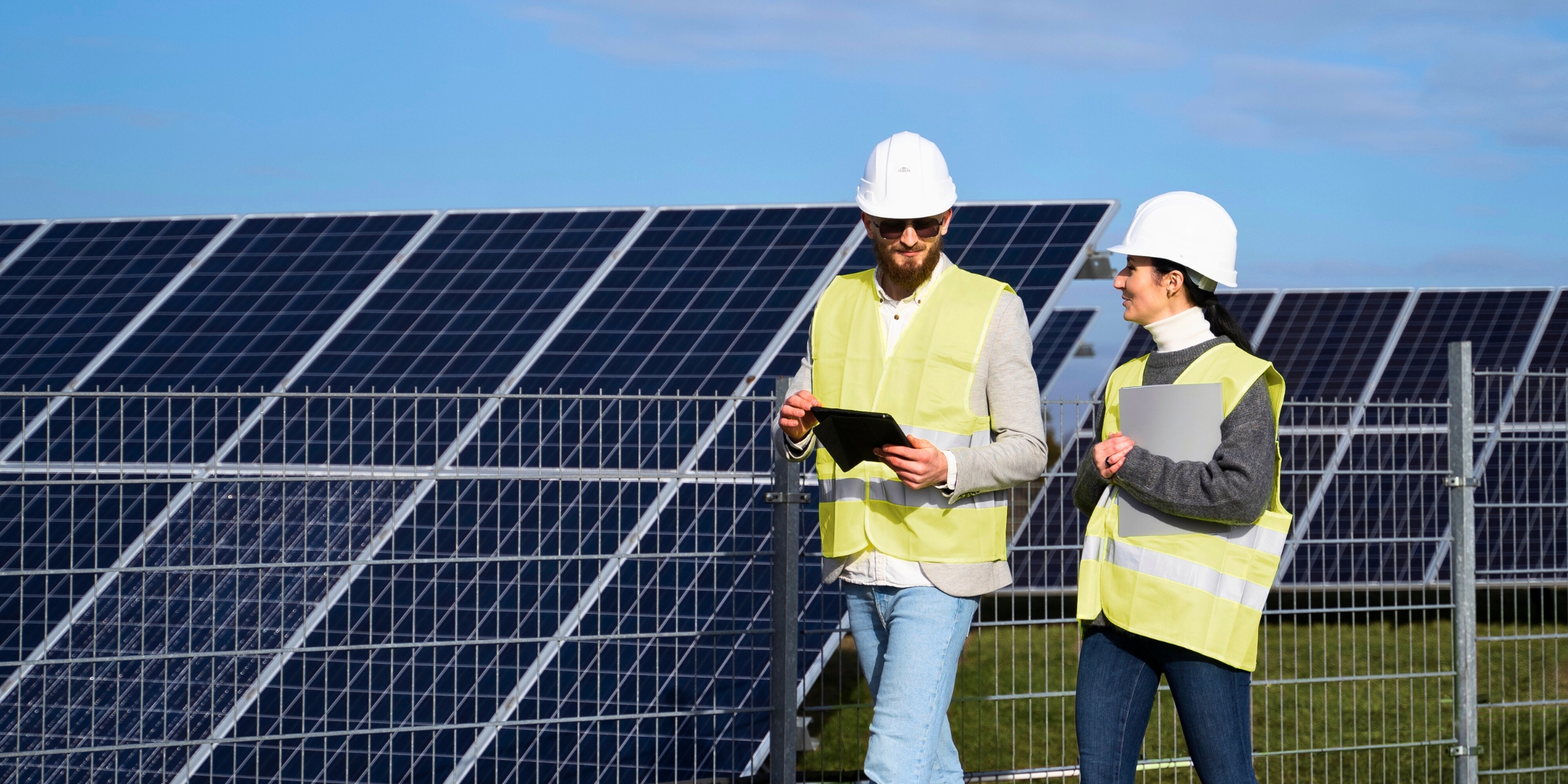
Factories with large roofs benefit the most. A 100,000 sq. ft. roof can easily accommodate a 1MW industrial solar system, which alone can save lakhs to crores annually.
3. What Does “Turnkey Solar EPC” Mean?
A turnkey EPC contractor handles the entire solar project and delivers it in ready-to-use condition. The term EPC stands for:
-
Engineering – Site survey, load analysis, solar design
-
Procurement – Purchasing high-quality solar modules, inverters, structures, and cables
-
Construction – Installation, wiring, integration, and testing
When factories choose turnkey solar EPC solutions, everything is delivered under one roof. Instead of dealing with multiple vendors, the industrial unit works with a single point of contact.
This saves time, reduces risks, and ensures consistent quality from start to finish.
4. Key Components of Turnkey Solar EPC Solutions for Factories
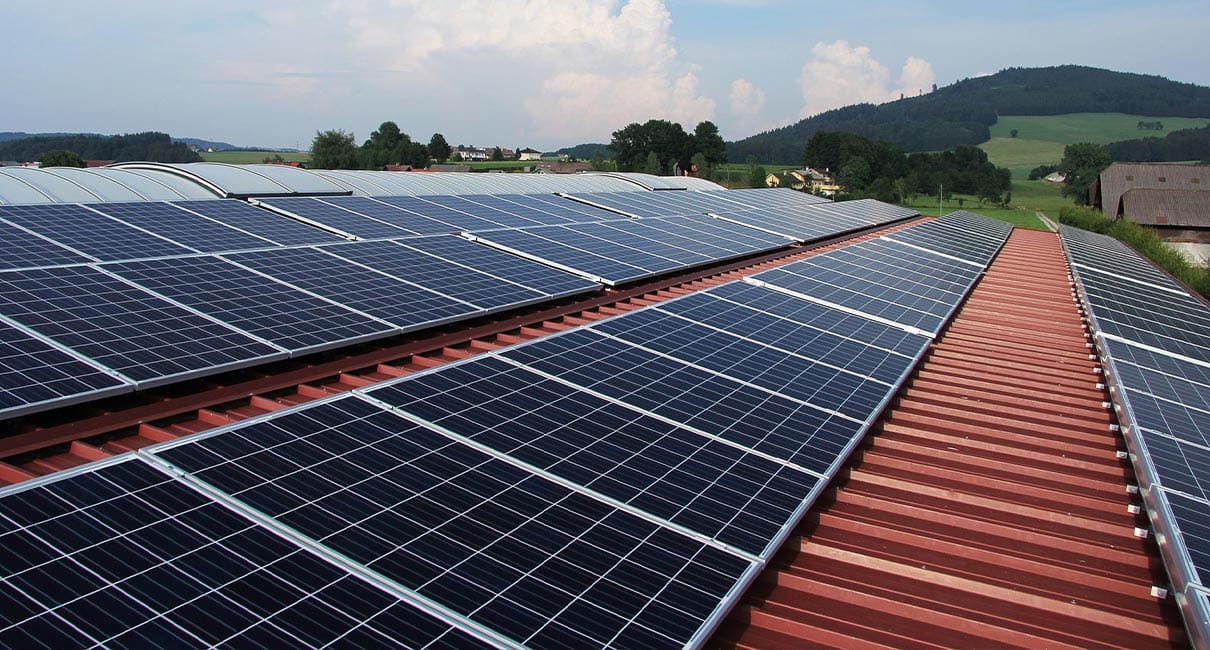
A complete EPC solution typically includes:
4.1 Engineering and System Design
This is the foundation of the project. Engineering includes:
-
On-site inspection and layout
-
Electrical load assessment
-
Shadow analysis
-
Structural assessment of rooftops
-
Expected generation report
-
Detailed project report (DPR)
Industrial loads differ from commercial or residential loads, so precision during designing is essential.
4.2 Procurement
The EPC company handles purchasing:
-
Solar panels (mono PERC, TOPCon, bifacial)
-
Inverters (string/central)
-
Mounting structures (rooftop/ground/carport)
-
Cables and connectors
-
Protection devices and switchgear
Top-quality components ensure long-term plant performance.
4.3 Construction and Installation
The EPC team installs the entire industrial solar system:
-
Module mounting
-
DC wiring & AC connectivity
-
Inverter setup
-
Synchronization with the factory’s LT/HT panel
-
Safety equipment installation
-
Net-metering documentation
Factories need strong structures, vibration resistance, and safety compliance.
4.4 Testing and Commissioning
Once installation is complete:
-
System performance testing
-
Safety checks
-
Grid synchronization
-
Final handover
The system starts generating power immediately.
4.5 Operation and Maintenance (O&M)
A turnkey EPC package often includes long-term O&M services such as:
-
Cleaning
-
Inspection
-
Monitoring
-
Preventive maintenance
-
Performance analysis
Proper O&M ensures maximum output throughout the project lifecycle.
5. Benefits of Turnkey Solar EPC Solutions for Factories
Turning to turnkey solar EPC solutions for factories offers several major benefits:
Single point of responsibility
No coordination issues. One contractor handles everything.
High-quality execution
Industrial solar EPC companies bring standard procedures and quality control.
On-time project completion
Professionally managed teams ensure timely installation.
Better financial returns
Optimized design leads to better energy generation and higher savings.
Lower operational & maintenance burden
Factories don’t need a dedicated solar maintenance team.
Long-term reliability
Industrial solar systems are designed to last 25–30 years.
Compliance with DISCOM and safety guidelines
EPC firms handle paperwork, approvals, and regulatory requirements.
6. Types of Solar Installations Used in Factories
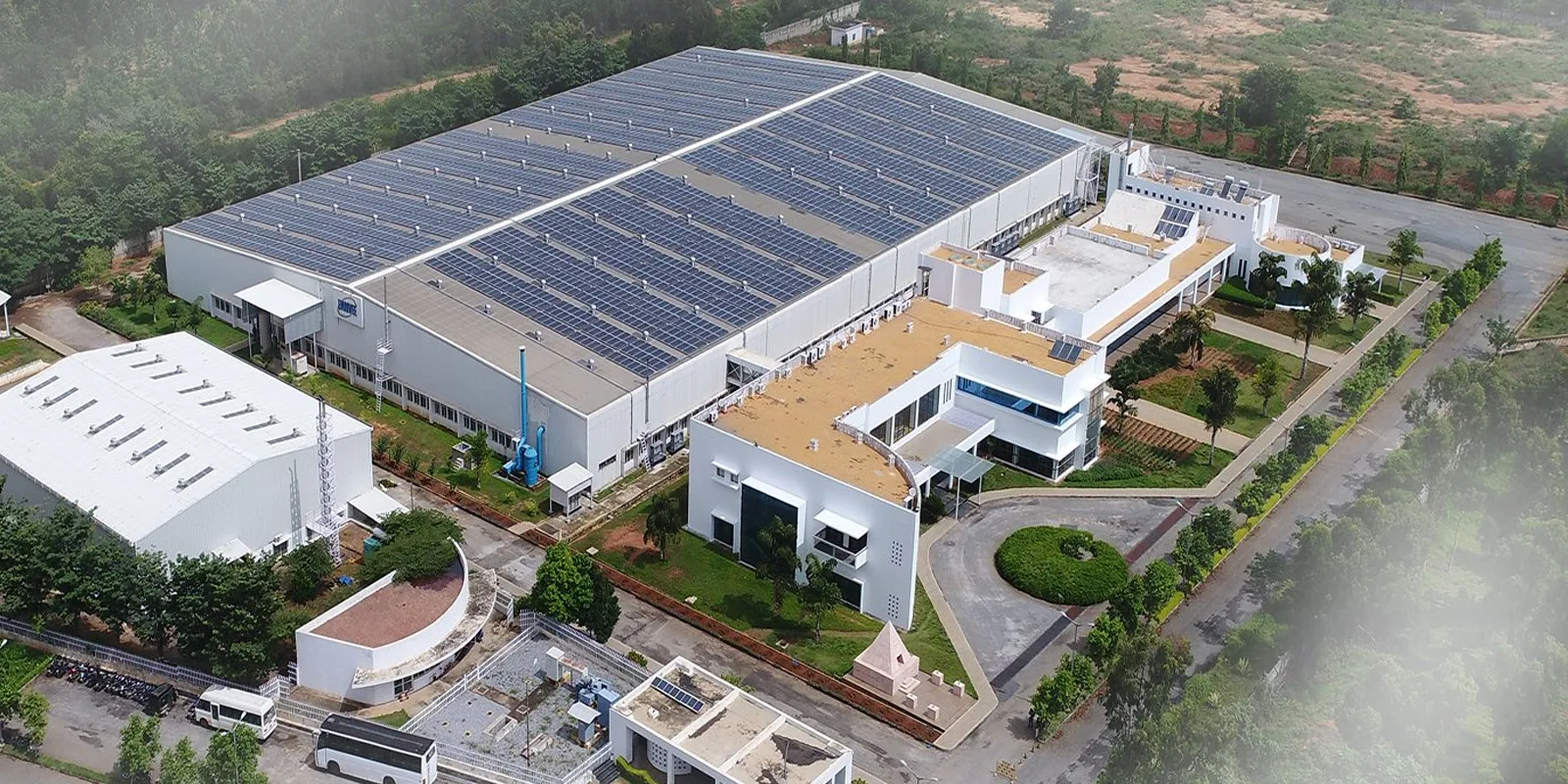
Factories can choose from multiple industrial solar installation formats:
6.1 Rooftop Solar Systems
Common for manufacturing units with large RCC or metal roofs. Benefits:
-
No land required
-
Quick installation
-
Low maintenance
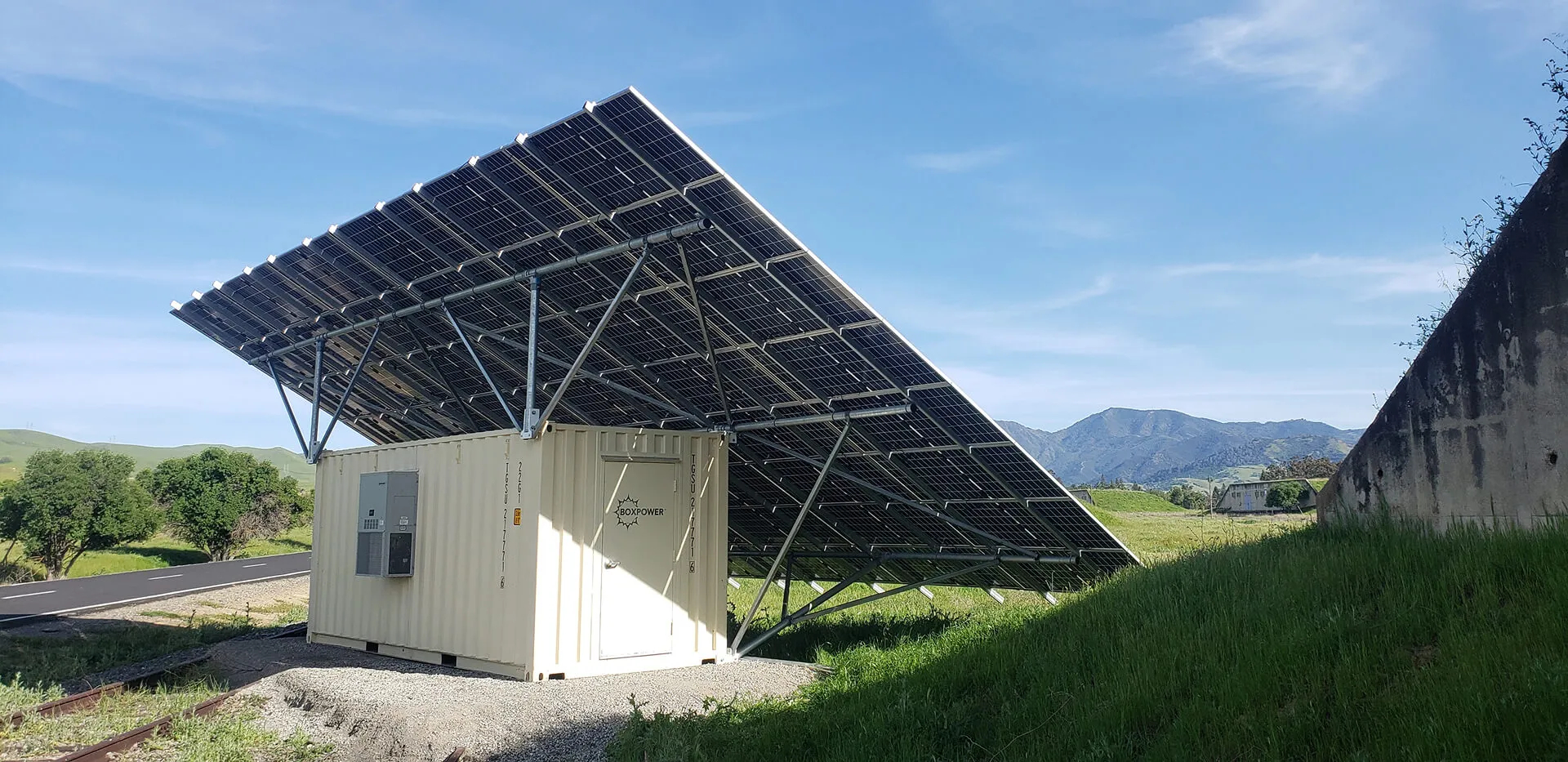
6.2 Ground-Mounted Solar Plants
Suitable for factories with open land near the premises.
-
Higher efficiency
-
Easy cleaning
-
Can support large capacities
6.3 Solar Carport Systems
Dual-purpose structures that provide shade for vehicles and generate solar power.
-
Ideal for industrial parking zones
-
Efficient land utilization
Each option can be delivered as a turnkey EPC package.
7. Cost of Turnkey Industrial Solar EPC Projects in India
Costs vary depending on capacity, location, and material quality.
Cost factors:
-
Panel technology
-
Type of inverters
-
Electrical wiring length
-
Rooftop structure complexity
-
Safety systems
-
O&M responsibilities
Despite variations, solar remains one of the most cost-effective energy investments for factories.
8. Government Policies and Subsidies for Factories
Factories benefit from several industrial solar policies:
-
Net metering and gross metering
-
Accelerated depreciation (up to 40%)
-
GST input credits
-
Open access solar
-
Green energy corridors
-
Banking policies for power storage
While factories generally don’t receive residential-type subsidies, they get major tax advantages which significantly reduce project cost.
9. How to Select the Right Solar EPC Company for Your Factory
Choosing the right EPC partner is crucial. Consider:
Experience in industrial solar
Ask for project portfolios in similar industries.
Component quality
Ensure they use tier-1 solar panels, high-quality inverters, and certified structures.
Engineering expertise
Check shadow analysis, load calculations, and DPR quality.
Project management strength
Look for companies that deliver consistent timelines.
O&M capability
A long-term maintenance commitment is essential.
Financial stability
Ensure the EPC company can support warranties for 25 years.
10. Challenges in Industrial Solar Projects and How EPC Contractors Address Them
Factories often face challenges such as:
Roof limitations
Older roofs may need reinforcement. EPC contractors conduct structural tests.
Shadowing
Chimneys, ducts, machines cause shadows. Detailed designing solves this.
High load requirements
Factories run heavy machinery. EPC firms design systems matching industrial loads.
Safety standards
Industrial solar requires adherence to:
-
Fire norms
-
Earthing
-
Lightning protection
Turnkey EPC firms ensure full compliance.
11. Long-Term Savings and ROI for Factories
Solar is one of the best long-term investments for industrial owners.
Expected savings:
-
A 1MW solar plant can save ₹1.5 – ₹2 crore over 25 years.
-
Payback period: 3–4 years.
-
Electricity cost drops to ₹2–₹3 per unit compared to grid rates of ₹8–₹12.
With rising tariffs each year, solar returns only get better.
Conclusion
Turnkey solar EPC solutions for factories offer a simple, reliable, and high-return path to renewable power. From design and procurement to installation and long-term maintenance, everything is managed by a single contractor, reducing risk and ensuring consistently high performance. Factories benefit from lower electricity bills, predictable long-term energy costs, improved ESG scores, and lower operational risks.
Whether you run a small manufacturing unit or a large industrial plant, adopting solar through a turnkey Solar Panels can transform your energy strategy for decades. With rising power tariffs and government support for green energy, now is the best time for industries to switch to solar.
FAQs
1. What are turnkey solar EPC solutions for factories?
They include end-to-end solar services covering engineering, procurement, installation, testing, commissioning, and maintenance.
2. How much does industrial solar installation cost in India?
Costs typically range from ₹45 lakh to ₹5 crore depending on capacity and system type.
3. What is the life of a factory solar plant?
Most industrial solar systems last 25–30 years with proper maintenance.
4. How much electricity can a 1MW plant generate?
Around 1.4 to 1.6 million units annually depending on region.
5. Do factories get subsidies?
Residential-style subsidies don’t apply, but factories get accelerated depreciation and tax benefits.
6. What is the ROI for industrial solar?
Most factories recover investment in 3–4 years.
7. Can factories use solar power at night?
Not directly. They need batteries or grid support. Most factories use solar during daytime peak hours.
8. Do EPC companies handle net metering?
Yes, turnkey EPC contractors manage net-metering approvals and documentation.
9. What is the difference between rooftop and ground-mounted systems?
Rooftops use building space while ground-mounted systems need open land but offer higher efficiency.
10. How important is O&M for industrial systems?
Very important. Regular cleaning and maintenance ensure maximum generation and protect long-term performance.